
Sub-Total: $0.00
Jade Plant (Crassula ovata) Types and Care
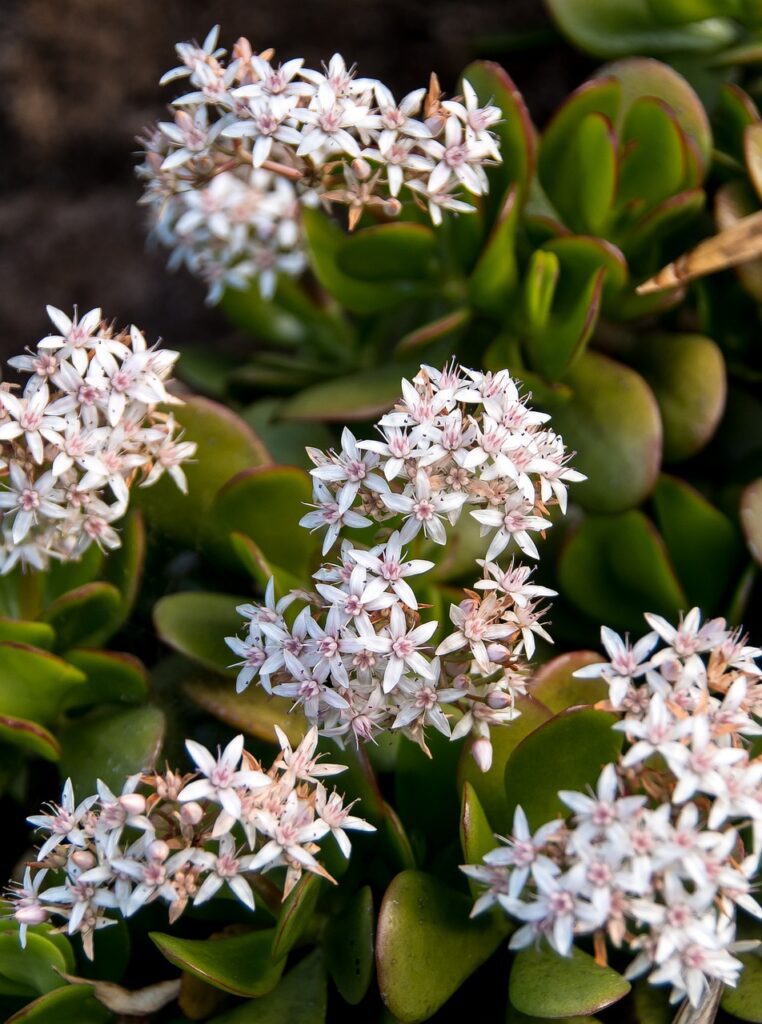
Whether you’re a beginner or expert gardener, the Jade plant is one of the most common choices of plant lovers. It can be a great housewarming gift or the perfect choice for those who love green but don’t have time to create a garden.
The Jade plant is also considered a lucky symbol/sign for money. Its other names are “Money Plant,” ” Dollar Plant,” “Lucky Plant,” and “Friendship Plant.”
It’s a kind of succulent. Jade plant does not require much care, but if you tend it correctly, it can last a lifetime. You can nurture Jade plants into a Bonsai, and it can also grow into a large, beautiful shrub. Many public and private places are decorated with a Jade plant.
The botanical name is Crassula ovata. It has meaty green leaves that sometimes look like the head of a spoon, and smaller ones look like little droplets. Jade plants are native to South Africa, but people around the world keep it as a houseplant.
Jade is a forgiving grower and makes a great choice for beginners and low light rooms, though it can revert back to green when unstressed by sun and heat. It has excellent resistance to pests, disease, deer, and neglect. Just give it a well-draining soil, protection from hard frost, and a deep watering when the soil is completely dry. Eventually, mature, outdoor shrubs do not need irrigation at all.
Keep reading, and you will learn a lot about the Jade plant and its varieties that while not all are called Ovata they are still considered Jades.
Crassula Ovata “Crosbys Red”
Specifications

- Sun exposure: Full sun to part shade
- Water needs: Regular
- Height: Up to 3 feet
- Flowers: White
- Season of interest: Late fall to early winter
- Special note: Enjoys the sun but can suffer from sunburn during heatwaves
- USDA hardiness zone: 10 to 11
Crosby’s Red is also referred to as Crosby’s Red, Crosby’s Dwarf, and Red Dwarf Jade Plant. It looks very similar to the common Jade Plant but is shorter and more compact.
The leaves turn red when exposed to sunlight, and the tint deepens depending on the amount of sun it receives. Growing Crassula Ovata ‘Crosby Red’ is much easier than other varieties because it does not grow tall, even outdoors. Crosby Red will forgive delayed watering but not soil that gets waterlogged. Standing in water for long periods of time will make this Jade Plant prone to fungal infections or worse, root rot.
Crassula Ovata “Gollum”
Specifications

- Sun exposure: Full sun to part shade
- Water needs: Moderate
- Height: Up to 3 feet
- Flowers: White or pink
- Season of interest: Late fall to early winter
- Special note: It takes 3 years for this plant to mature and become ready for reproducing.
- USDA hardiness zone: 10 to 11
Look closely, and you’ll see why it’s called a Gollum Jade. Also, knowns as Ogre’s Ears, this Jade Plant variety has green, tubular leaves with red tips that are shaped like suction cups.
Sounds like the world’s favorite Ogre, Shrek’s ears, doesn’t it?
In the blooming season, you can anticipate some starry white or pink flowers, as long as you provide it with enough sun.
Crassula Ovata “Harbor Lights”
Specifications

- Sun exposure: Full sun
- Water needs: Occasional
- Height: Up to 2 feet
- Flowers: Pinkish white
- Season of interest: Late autumn to early winter
- Special note: The plant is not winter hardy and temperature should not drop below 50 to survive
- USDA hardiness zone: 10 to 11
Give your house or garden some spice with this cultivar’s distinct red color. Crassula Ovata ‘Harbour Lights’ is a Jade Plant variety that grows green but turns sunset red when cooler months approach.
The trunk is stubby with small flowers growing on the tips in ideal conditions.
The plant is suitable for seaside planting since it can tolerate sandy soil. The leaves are relatively small, but the plant grows dense enough to spread like a bonsai. Crassula Ovata ‘Harbour Lights’ leaves’ store water to use in times of drought.
Crassula Ovata “Hobbit”
Specifications

- Sun exposure: Full sun to part shade
- Water needs: Moderate
- Height: Up to 3 feet
- Flowers: White or pink
- Season of interest: Autumn
- Special note: It requires infrequent repotting since it likes its rootbound.
- USDA hardiness zone: 10 to 11
Crassula Ovata ‘Hobbit’ is often mistaken for Gollum Jade, but the difference between these two Jade Plant varieties lies in the shape of their leaves.
Hobbit Jade has pipe-like leaves with a slight curl and red tips – some may say it resembles sea corals.
You can grow it indoors or in the garden, and if you provide it with the ideal growing conditions, you will be rewarded with starry flowers.
Hobbit jade is categorized as a desert plant so fertilizing it regularly may be too much for them. When you do fertilize, dilute the plant food in water but never during winter when it is in a state of dormancy.
Crassula Ovata ‘Lemon & Lime’
Specifications

- Sun exposure: Partial sun to full sun
- Water needs: Occasional
- Height: 1 to 4 feet
- Flowers: White
- Season of interest: Late winter to early spring
- Special note: Fire and deer resistant
- USDA hardiness zone: 9 to 11
Crassula Ovata ‘Lemon & Lime’ is the variegated cultivar of the common Jade plant. It has the monicker of ‘Tricolor’ Jade because of the green leaves bordered with creamy white and tipped with a pink tinge.
Each leaf is shaped like a spoon, and this Jade Plant variety flowers starry white blooms that attract useful insects. The trunk is stout, making it suitable for containers but it is also beautiful as an outdoor specimen.
Crassula Ovata ‘Lemon & Lime’ has good heat tolerance and will survive prolonged dry spells.
Although they appreciate regular misting, water requirements can be on the side of neglect. It is a succulent, so expect stored water in the leaves.
Crassula Ovata ‘Minima’
Specifications

- Sun exposure: Full sun to partial sun
- Water needs: Occasional
- Height: Up to 2.5 feet
- Flowers: Coral pink
- Season of interest: Early spring to late summer
- Special note: Propagation can be achieved by using a leaf; dry it and leave it on top of some soil – soon roots will form from the leaf.
- USDA hardiness zone: 10 to 11
Crassula Ovata ‘Minima’ is referred to as Baby Jade because of its small size in comparison with other Jade Plant varieties.
Baby Jade starts green but red edges appear on the leaves as the plant matures. The thick, fleshy leaves appear from woody branches.
It is a pretty shrub you can use as a feature potted plant or to add interest to a rock garden – it makes a beautiful groundcover.
As a true Crassula, it is hardy and compact and can tolerate some dryness. Their archenemy is overwatering, and well-draining soil is a must. Showy flowers in pink corals will bloom in ideal conditions.
Crassula Ovata “Money Plant”

Specifications
- Sun exposure: Part shade
- Water needs: Moderate
- Height: 3 to 6 feet
- Flowers: White to pink
- Season of interest: Late winter to early spring
- Special note: Height can be maintained with regular trimming
- USDA hardiness zone: 11 to 12
Crassula Ovata is the common Jade Plant. Nick-named the money plant, it is believed to bring good luck in all money matters.
Despite the name, you should not expect money to grow on this tree – you’re not that lucky! Instead, you can expect elongated and rounded leaves 2 inches long each. When grown under the sun, leaves react by having red stains.
Crassula Ovata is a low-maintenance plant you can grow indoors or outdoors but be careful of planting it in poorly draining soil it won’t tolerate all. The money tree plant can withstand low humidity and even drought.
Crassula Arborescens“Silver Jade”
Specifications

- Sun exposure: Full sun to light shade
- Water needs: Occasional
- Height: 4-5 feet
- Flowers: White or dark pink
- Season of interest: Spring or summer
- Special note: Brown spots on leaves indicate insufficient watering
- USDA hardiness zone: 9 to 12
Crassula Arborescens or Silver Jade is a succulent that needs no trimming. This Crassula type has a balanced proportion of stubby trunk and grey-green leaves.
The foliage has an almost round shape with red edges that intensify when kept in full sun. It is rarely cultivated for its flowers, but when they appear, they are clusters of tiny star-shaped inflorescences.
Overwatering is the main culprit for the unsuccessful growth of this succulent. Silver Jade looks best included in a rock garden but also makes a stunning indoor plant
Every leaf is covered with fine small greyish hairs that provide the overall silvery look.
One variety is Crassula Arborescens, Blue Hale, which has blue-green foliage. It is about a foot tall with large discs of leaves – 4 inches each.
Crassula ovata “Hummels Sunset”

Specifications
- Sun exposure: Full sun to bright indoor light
- Water needs: Occasional
- Height: over 12 inches
- Flowers: White
- Season of interest:Fall to winter
- Special note: Slow grower, easy to propagate
- USDA hardiness zone: 9 to 12
‘Hummel’s Sunset’ or Golden Jade (Crassula ovata): A superstar grower whether kept indoors as a potted plant or grown outside zone 9 as a dense, mounding shrub. Its glossy, ovate (egg-shaped) leaves sprout from thick, woody branches and turn golden yellow with red margins when grown in full sun.
‘Hummel’s Sunset’ is a cultivar named for plant hybridizer Ed Hummel.
Crassula Ovata “Ripple Leaf”

Specifications
- Sun exposure: Full sun to part shade
- Water needs: Moderate
- Height: 3 to 4 feet
- Flowers: White
- Season of interest: Spring
- Special note: This Jade Plant type rarely flowers
- USDA hardiness zone: 9 to 11
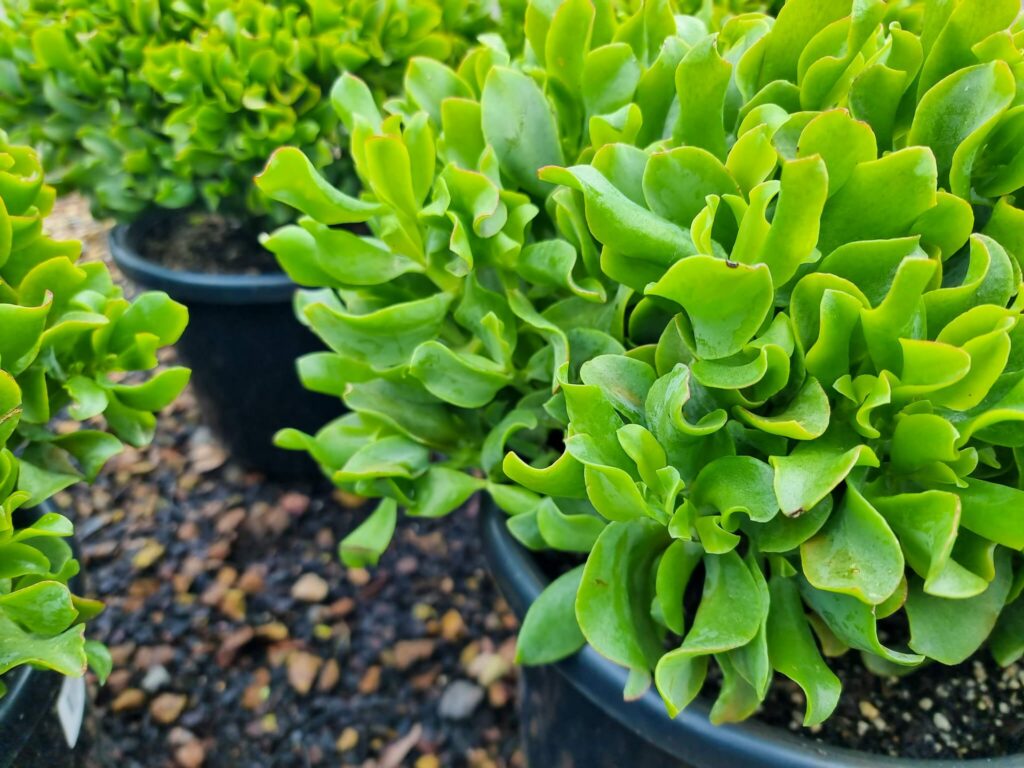
Crassula Ovata ‘Ripple Jade’ is easily recognizable by their thin and wavy leaves. Ripple Jade, also called Curly Jade has circular, but twisted leaves which are mainly green with touches of faded blue.
Each leaf has purplish or dark brown edges, and the thick foliage is evergreen. This variety is very low maintenance and can be cold hardy in zone 10.
Ripple Jade is a robust grower but will appreciate protection from hard frost. The plant is extremely drought tolerant however– if it has been without water for too long, the leaves will wrinkle and look far from normal.
This Jade Plant type responds well to pruning, and it will prevent the plant from becoming leggy if there is a light deficiency.
Crassula Ovata‘Undulata’ “Jitter Jade”
Specifications
- Sun exposure: Full sun to part shade
- Water needs: Occasional
- Height: Up to 1.5 feet
- Flowers: Pinkish white
- Season of interest: Summer
- Special note: Fertilize every two weeks during the growing season but not during winter.
- USDA hardiness zone: 9 to 11
Also known as Jitter Jade, Crassula Ovata ‘Undulata’ is different from other Jade Plant varieties because it appears curly as opposed to the conventional thick and elongated leaves.
The Crassula Ovata ‘Undulata’ has waxy, wavy leaves that grow very dense but at a slow pace. The plant can be grown outdoors in containers, as a compact groundcover, or inside as a houseplant.
Jitter Jade, a natural desert plant, enjoys bright sunlight but can tolerate light shade, although it will not look its best.
Dark edges on the leaves start appearing when cooler months enter. Jitter Jade responds well to pruning but you may delay the trimming so it can spread to look like a mini Jade Plant tree.
Portulacaria Afra“Porkbush”
Specifications
- Sun exposure: Partial shade to full sun
- Water needs: Occasional
- Height: 12 feet
- Flowers: White, pink, or purple.
- Season of interest: Late spring or early summer
- Special note: Rarely flowers during cultivation
- USDA hardiness zone: 9 to 11
True Jade Plants are under the Crassula genus, but Portulacaria Afra or Porkbush is also referred to as a Dwarf Jade.
They have a similar appearance and growing characteristics but are unrelated. Many mistakenly purchase this thinking it is part of the Crassula family.
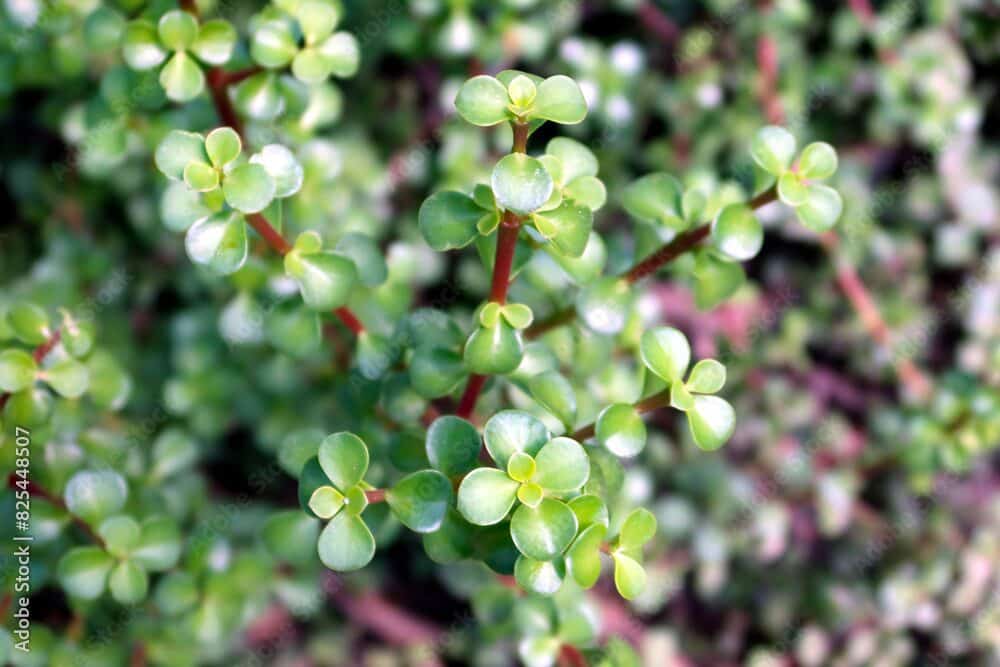
The Porkbush has woody red stems from where small, round, and glossy green leaves appear. The plant spreads after reaching the optimum height, that is why trimming is advisable before it gets leggy.
In their native habitat, Portulacaria Afra serves as food for elephants and is thus also called Elephant Bush.
This plant comes in two types – miniature and variegata. Portulacaria Afra ‘Decumbent’ is a cultivar with apple green colored leaves.
They are glossy, appearing from branches that spread candidly but neatly, reaching 6-8 feet.
Portulacaria Afra ‘Decumbent’ is a soft shrub that cannot withstand hard frosts; therefore, it is wise to bring it indoors where it can be protected. When indoors, it should receive bright light and be in well-draining soil.
Portulacaria Afra Variegata or Rainbow Bush is a variegated type that grows up to 12 feet high, or even higher.
The yellow-green leaves have cream highlights stemming from purplish red stalks. Rainbow Bush becomes very dense, making it difficult to kill. Prune it regularly to keep the form or allow it to branch and cascade like messy hair.
Crassula Falcata “Propeller plant”
Specifications

- Sun exposure: Full sun to partial shade
- Water needs: Regular
- Height: 2-3 feet
- Flowers: Red
- Season of interest: Summer and fall
- Special note: The growth rate is slow to medium. Reaching about 12 to 18 inches takes a few years, so it growing leggy is nearly impossible
- USDA hardiness zone: 9 to 11
Crassula Falcata is famous under gardeners as a propeller plant or airplane plant because of the easy cultivation innate to Crassulas.
Moreover, this Jade Plant type’s extraordinary foliage is angled and twisted in opposite pairs creating the propeller look.
Usually, it is gray-green that overlap. The plant rarely flowers but when it does, dense clusters of red flowers appear in the center of the ‘propellers’.
This type of Jade Plant requires bright light to develop fully, but excess warmth should be avoided, even in winter. As a houseplant, it prefers normal room temperature and can tolerate short bouts of neglect.
Crassula Marieriana “Jade Tower”
Specifications
- Sun exposure: Full sun to partial shade
- Water needs: Moderate
- Height: 10 cm
- Flowers: Pink or white
- Season of interest: Late winter
- Special note: Overwatering is fatal. Allow soil to dry completely before watering.
- USDA hardiness zone: 9 to 11
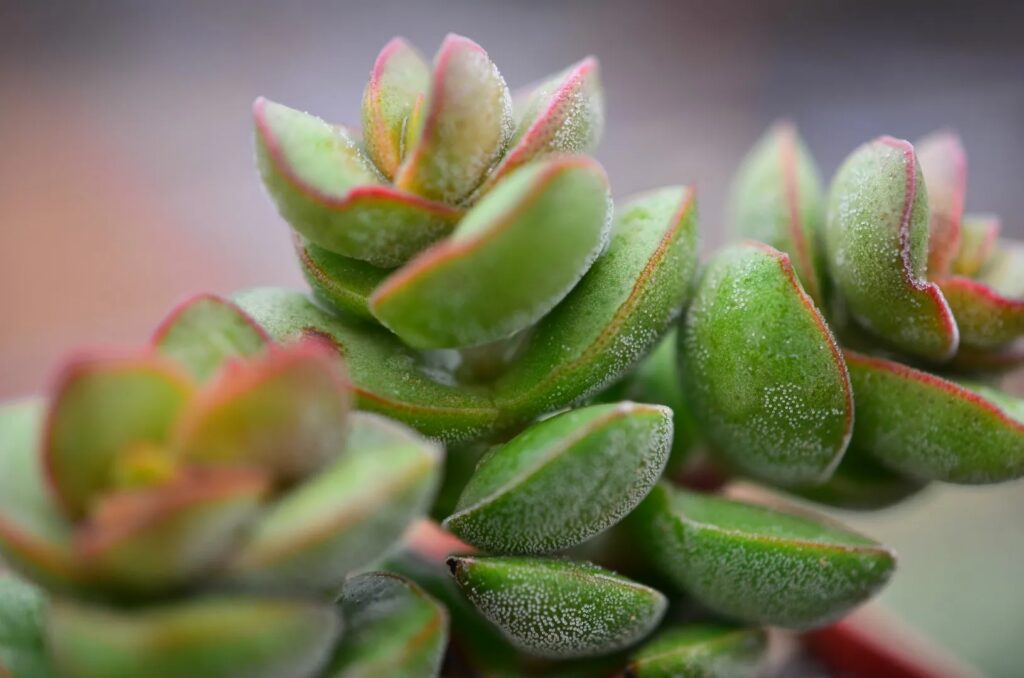
A hybrid Jade Plant between Crassula Perfoliata x Crassula Rupestris ssp. Marieriana, Crassula ‘Jade Tower’ is an upright plant with erect leaves forming columns.
The leaves are green but look frosted with white papillae. Small, pinkish flowers appear, giving the plant its delicate look during blooming seasons.
Enjoy it outdoors or indoors but avoid extreme frost and hot midafternoon sun. Like most Jade Plant types, you can easily propagate them by division, offsets, or leaf cuttings.
Crassula Pubescens “Bear Paw Jade”
Specifications
- Sun exposure: Partial shade to full sun
- Water needs: Moderate
- Height: 6 inches
- Flowers: Yellow
- Season of Interest: Spring
- Special note: Repotting is necessary because it can get too crowded
- USDA hardiness zone: 9 to 11
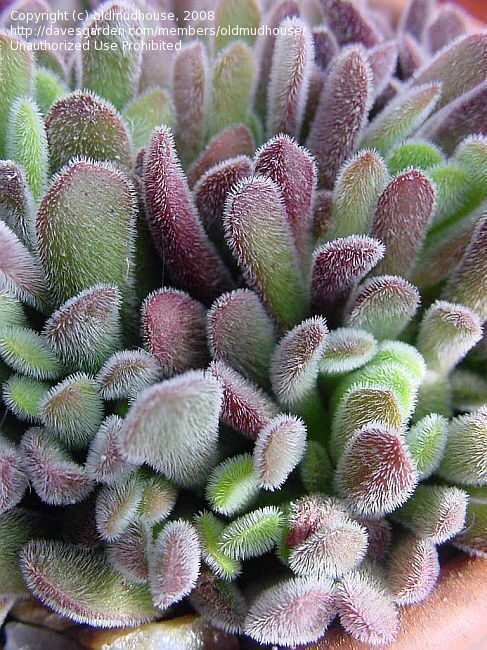
The Bear Paw Jade of the family, Crassula Pubescens, is a low-growing shrub used mostly as a groundcover but loved in containers as well.
The foliage starts green but eventually leans to burgundy when under the sun. The leaves are fuzzy and slender; about 104 inches at the longest. The plant grows very compact and spreads slowly.
Crassula Pubescens is a very nice flowering succulent that shows a ball of yellow florets in good conditions. This Jade Plant variety requires well-draining soil and a bright spot protected from harsh afternoon rays.
Growing and Caring for Jade Plant:
Now, let’s go into how you can properly take care of Jade plants.
Because Jade is a succulent, it does not need much water or direct light. It’s great as a houseplant.
Temperature:
Jade plants like the dry season very much. The best daytime temperature for them is 65-75 F. (18-24 C). Cold weather and damp weather are not good for Jade. It loses its color and turns yellow and mushy. But they can tolerate drought and can survive cold nights if they get a lot of sunlight the next day.
Watering:
You need to be careful when watering a succulent. Succulents store water in their leaves and they do not like to be overwatered.
One of the most-asked questions is, “How often should I water Jade plants?”
It depends on the soil and the plant. Overwatering or underwatering can kill your Jade plant. So to check if your plant needs water or not, stick your finger into the pot 1 to 2 inches. If it feels completely dry, it’s time to water the plant. If it feels damp, then do not water it.
When watering, pour the water in and let it drain for a little. Then, remove the extra water from the drip tray. Do not leave the water in the drip tray or the effect will be the same as overwatering.
Light:
Lighting is important to any plant. Succulents like the light very much but do not need as much. Some succulents, such as Tiger Fern, can survive without sunlight for a long time.
Jade plants can grow under full sun, but you can place a Jade plant near a window, and it will do fine. Try to keep the Jade plant around 2 ft from a window. Jade plants also might not do well under the scorching sun, so check if your plant is receiving intense sunlight. If it looks yellowish or leggy, try placing it somewhere else or increase your watering routine.
Soil:
You can your regular potting soil mixture if it doesn’t hold too much moisture. Like any other succulent, the soil mixture for Jade plants needs aerating and proper draining. Add coconut coir and Pine bark to make the soil more drainage friendly.
Fertilizer:
Jade plant does not need a lot of fertilizer. But for the best care, you can fertilize the Jade plant once every six weeks. The fertilizer mixture needs to be more diluted than you would normally use. You have to keep in mind to regularly water the Jade plant, and you should also water it with the fertilizer mixed in.
Do not fertilize your plant when the soil is dry though. Doing so will damage the roots of the Jade plant.
Humidity:
Low humidity is best for Jade plants. 30 to 50% humidity is perfect. Place the Jade plant either outside on the balcony or on the deck or by an open indoor window to keep the air around it circulating.
Propagation:
It is very easy to propagate the Jade plant. You take a root cutting or stem and leaf cuttings.
You can also take the leaves that get mushy from overwatering. You can save that leaf and grow another Jade plant. Cut the leaf a few inches above the mushiness and set it aside until it dries out.
Leave the dried up cutting over some soil, and water it once or twice depending on the soil. Roots will begin to grow out of the leaf in about four weeks as long as it has a proper environment.
You will see little Jade plants as soon as the roots take hold.
Repotting:
You have to be careful when repotting Jade plants. You cannot just re-plant a jade plant from a small pot to a larger pot. Jade plant does not mind being in a small pot or root-bound. When you buy a new Jade plant, you should wait until it outgrows its existing pot before you transfer it.
Accidents often happen when repotting, so be careful.
Follow these steps.
1. Mix your soil for the new pot thoroughly. Hold the Jade plant at the base and gently tip the pot down. Tap the bottom and remove the plant with the soil. Brush off the excess soil from the plant with your hand. Check if there is any damage.
2. Check for white roots, which are healthy. Dark, black, or brown and damp roots are not good.
3. Put 1 inch of gravel at the bottom of the pot and then add a third of the new soil mixture and your plant Cover the rest of the plant with soil.
4. Water the plant to set the soil mixture. Make sure it drains well.