
Sub-Total: $0.00
Mastering Succulent Care: The Ultimate Guide
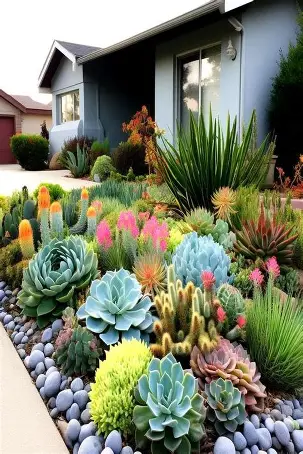
Unlocking the Charm of Succulents
Step into the fascinating world of succulents, where intricate textures and vibrant hues transform everyday spaces into lush, living canvases. Known for their drought resistance and low-maintenance care, these plants have captured the hearts of home gardeners and urban enthusiasts alike, especially in sun-drenched regions like Atascadero, California. In this guide, you’ll learn why succulents remain one of the most popular choices for both indoor and outdoor gardens, and how their natural resilience can simplify plant care for even the busiest individuals.
The journey begins with understanding the unique characteristics that make succulents stand apart:
- Water-retention capabilities: Essential for thriving in arid climates.
- Versatile aesthetics: Perfect for modern minimalist and eclectic garden designs.
- Ease of care: Ideal for both novice plant enthusiasts and experienced gardeners.
As you read on, you’ll discover actionable tips on maintenance, optimal lighting conditions, and soil composition that will help you create a healthy environment for your succulents. Get ready to transform your garden space while embracing the natural beauty and practicality that these remarkable plants offer.
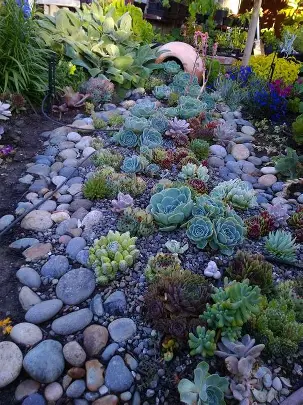
Discover the Perfect Succulent for Your Space
Embarking on succulent selection can be an exciting journey. Follow these steps to choose the ideal species for your environment and personal style:
- Evaluate Your Environment
- Assess indoor or outdoor conditions, focusing on light levels and temperature ranges in your area. For example, in a sun-soaked California garden or a cozy Atascadero home, different species may thrive.
- Check local weather patterns for seasonal changes and humidity.
- Identify Your Climate Zone
- Determine whether your region is arid, semi-arid, or more temperate.
- Consider native succulents that naturally adapt to your locality’s weather conditions for minimal maintenance.
- Consider Personal Preferences
- Reflect on the shapes, sizes, and colors that resonate with your style.
- Choose species that offer textural variety if you enjoy mixing different types in your collection.
- Make an Informed Choice
- Compare water and soil requirements, using industry-relevant tips to ensure balanced care.
- Prioritize selections that align with your gardening expertise and long-term plant care goals.
Follow these steps to build a thriving succulent collection tailored to your space and climate.
Essential Care for Thriving Succulents
Dive into the art of succulent care by mastering key elements that influence plant vitality. Optimal watering is crucial—overwatering can lead to root rot, while under-watering stresses the plant. Aim to water thoroughly but infrequently, allowing the soil to dry out completely between sessions. Experiment with techniques such as bottom watering to keep moisture levels even and prevent surface dampness.
Equally important is selecting the right soil. Succulents thrive in a well-draining mix that combines potting soil with coarse sand or small gravel. This blend mimics their natural arid environment, promoting healthy root development and preventing moisture retention.
Light conditions also play a vital role. Position your succulents in a spot that receives ample, indirect sunlight. In locales like Atascadero, California, finding a balance is key—too much direct sun may cause sunburn, while too little light can stunt growth.
In summary: • Water deeply but let the soil dry between watering • Use fast-draining soil mixes • Provide ideal light conditions based on your local climate
This practical approach ensures your succulents remain robust, vibrant, and beautifully resilient.
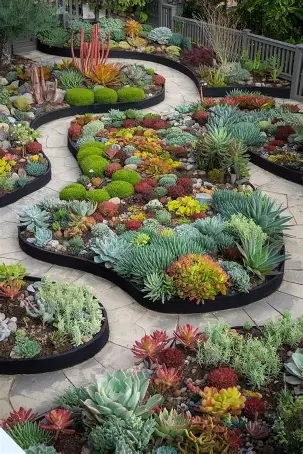
Top 5 Common Challenges for Succulent Enthusiasts
- Overwatering & Drainage Dilemmas Many succulent aficionados face issues with excess water. Overwatering leads to root rot, a common concern especially for those new to succulent care. Adjusting watering routines and ensuring pots have proper drainage can greatly improve plant health.
- Insufficient Sunlight & Temperature Stress Succulents thrive in bright, indirect sunlight. Inconsistent natural light, especially in regions like Atascadero, California, can trigger problems in growth patterns. Monitoring light exposure and using supplemental lighting when needed is key to resilient plants.
- Pest Intrusions & Fungal Threats Tiny pests and fungal infections tend to invade succulents when conditions are right for their development. Regular inspections and gentle organic treatments help maintain a balanced ecosystem without harsh chemicals.
- Poor Soil Quality & Nutrient Deficiencies Using improper soil mixes can negatively impact water retention and root health. Opt for well-draining, nutrient-rich substrates to keep your succulents thriving.
- Propagation Pitfalls & Root Damage Transplanting and propagation often lead to unexpected setbacks such as damaged roots. Employing careful, gradual techniques ensures robust growth and a healthy plant lifecycle.
How often should I water my succulents?
Water your succulents sparingly, allowing soil to dry completely between waterings. In warmer climates like California, particularly in Atascadero, you may need to water slightly more frequently during extended dry spells. Always check the soil moisture before adding water.
What is the best method to propagate succulents?
Propagation can be done by leaf or stem cuttings. Gently remove a healthy leaf and let it dry for several days until a callous forms. Then, place it on well-draining soil and water lightly. Patience and consistent care will encourage root growth and new plants.
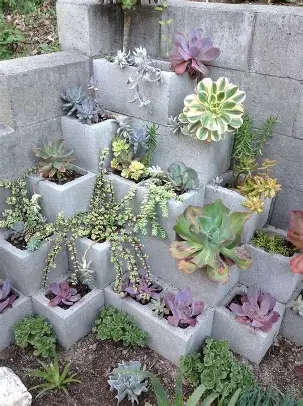
How do I manage common pests like mealybugs?
Pest control starts with regular inspections. If you spot mealybugs, isolate the affected plant and use a natural insecticidal soap or neem oil. Repeating treatments will help control the infestation.
Can succulents thrive in local climates?
Yes, with proper soil, sunlight, and watering practices, succulents easily adapt to environments like Atascadero and broader California regions.
What soil mix is ideal for succulent care?
A mix rich in sand or perlite with organic material ensures excellent drainage. This mixture helps prevent root rot and supports robust, healthy growth.
Final Insights and Next Steps
As you wrap up this comprehensive guide, it’s clear that understanding the nuances of succulent care can transform your plant collection into a thriving oasis. Grasping the essentials—from proper watering to optimal sunlight exposure—empowers you to nurture resilient, vibrant succulents that add natural charm to your home or garden. Your journey in mastering succulent care is not just about maintaining healthy plants; it’s an ongoing exploration of environmental harmony and self-sufficiency.
Key takeaways include:
- Recognizing the importance of soil quality and pot drainage
- Balancing water and light exposure for robust growth
- Experimenting with propagation techniques to expand your collection
Moving forward, consider these actionable steps:
- Evaluate your current plant care routine and adjust for seasonal needs.
- Dedicate time weekly to monitor and tend to your succulents.
- Share your experiences with local gardening communities in Atascadero, California, to gain fresh insights.
Embrace each challenge as an opportunity to grow—both your collection and your gardening skills. Now is the perfect time to start or deepen your succulent journey, ensuring a flourishing future filled with natural beauty.
