Sub-Total: $0.00
INTERNATIONAL CARROT DAY; February 3
HISTORY OF INTERNATIONAL CARROT DAY
The first annual celebration of this vibrant root occurred in the year 2003 with the pure intention of celebrating the staple salad ingredient. As of now, celebrations have been reported to occur in France, Italy, Sweden, Russia, Australia, Japan, and the U.K. It seems that carrots are a rather hearty plant that can grow in many diverse conditions, though they typically come into harvest in the summer and fall seasons of their growth sites.
California is responsible for 85% of the carrots that U.S. citizens purchase in grocery stores across the country. While the taproot is traditionally the star of the culinary show, carrot greens — the part that grows out of the soil and toward the sun — are equally edible. Many countries use this portion of the plant to mix in with their salad greens.
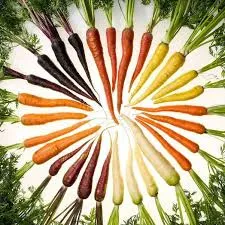
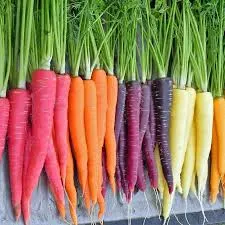
Carrots are among the few vegetables that are harvested primarily for their roots, rather than their sprouts. Joining them are potatoes, turnips, radishes, and beets. The traditional carrot’s hue is a deep orange with yellow undertones, but there are many different variations in color harvested worldwide, including purple, red, and pale yellow iterations.
Due to the carrot’s longevity when stored in the refrigerator, it often makes appearances in dishes for all seasons, from spring to autumn to winter. Carrots are also among the vegetables that can be eaten raw and fresh, with only a little scrub under cool water as preparation. When raw, the crunch of a carrot can be heard from many feet away.
Interesting carrot facts
Carrots were first cultivated in north Africa & the Mediterranean. They originally were purple or grey in color. Introduced to Europe around 1000 years ago.

The weed/flower Queen Anne’s Lace is actually a wild carrot.
People first grew carrots as medicine, not food, for a variety of ailments.
Carrots are one of the rare vegetables which are more nutritious cooked.
#nationalcarrotday