
Sub-Total: $0.00
Manhattan Beach Botanical Garden- Tiny but Mighty
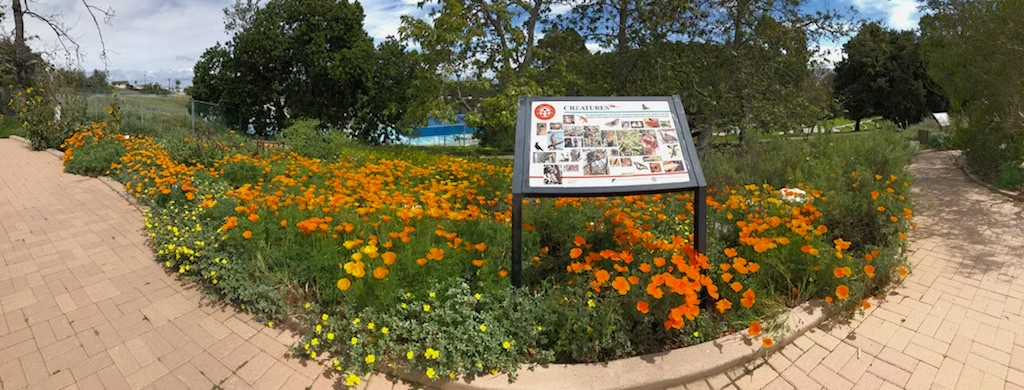
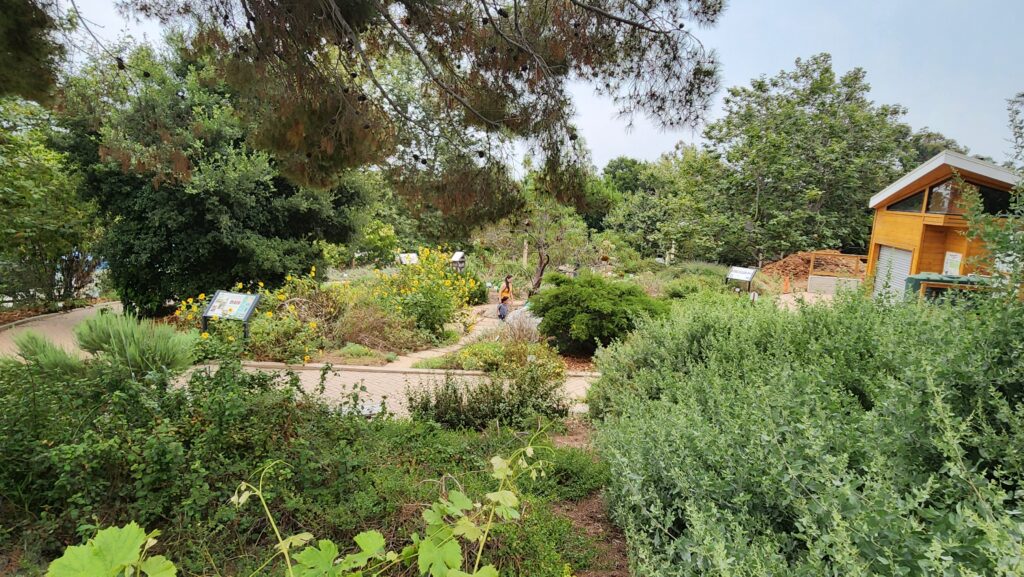
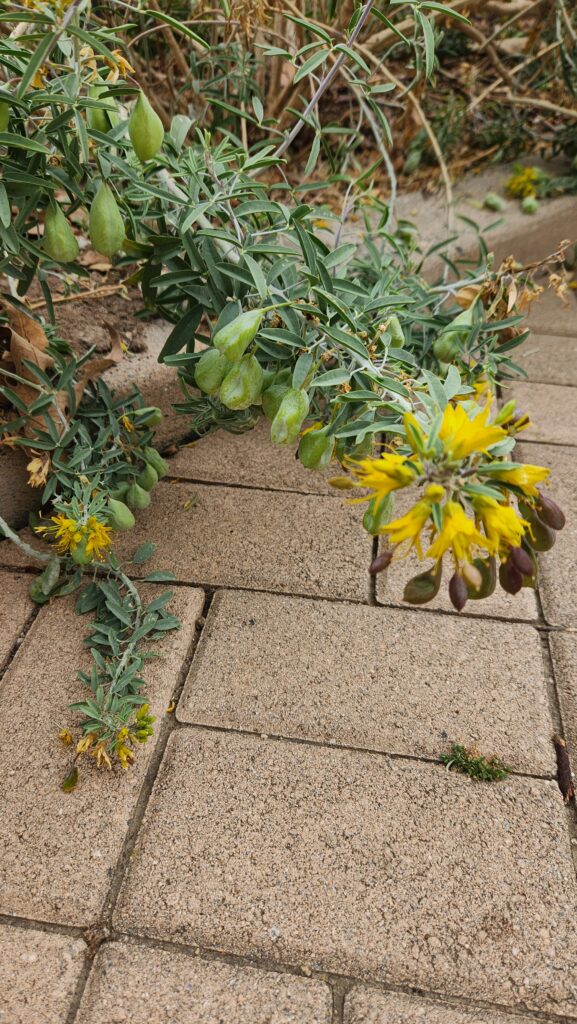
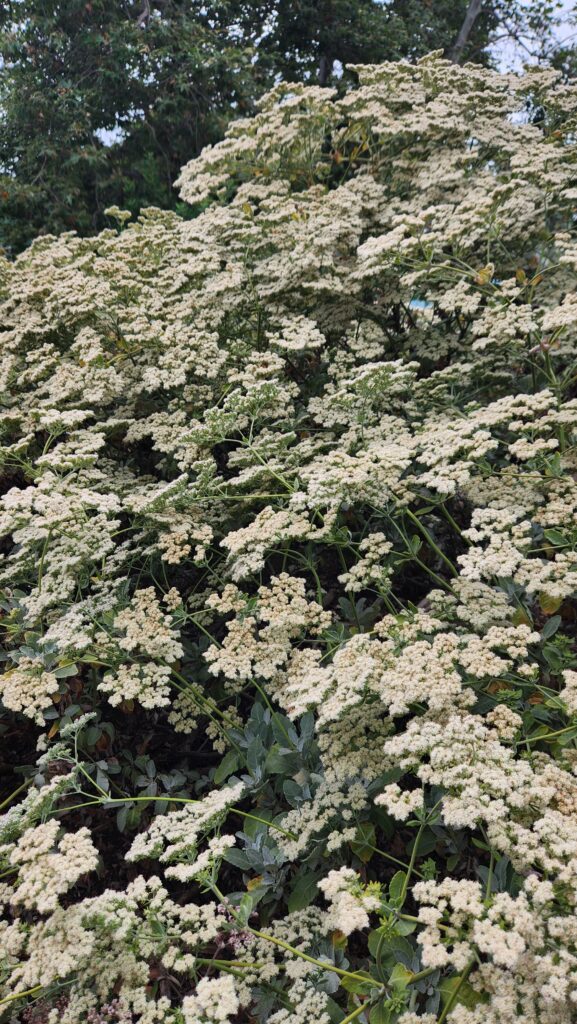
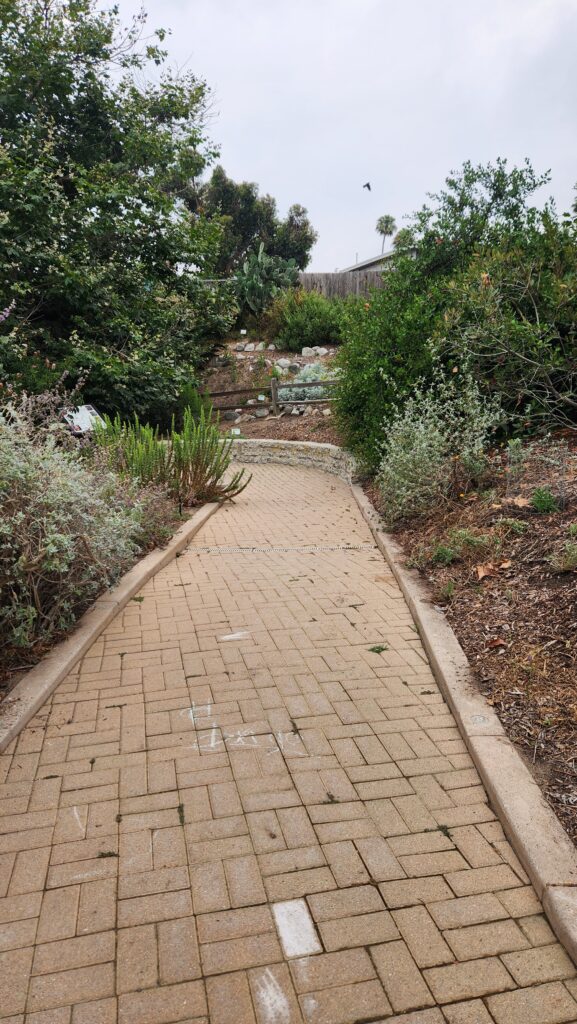
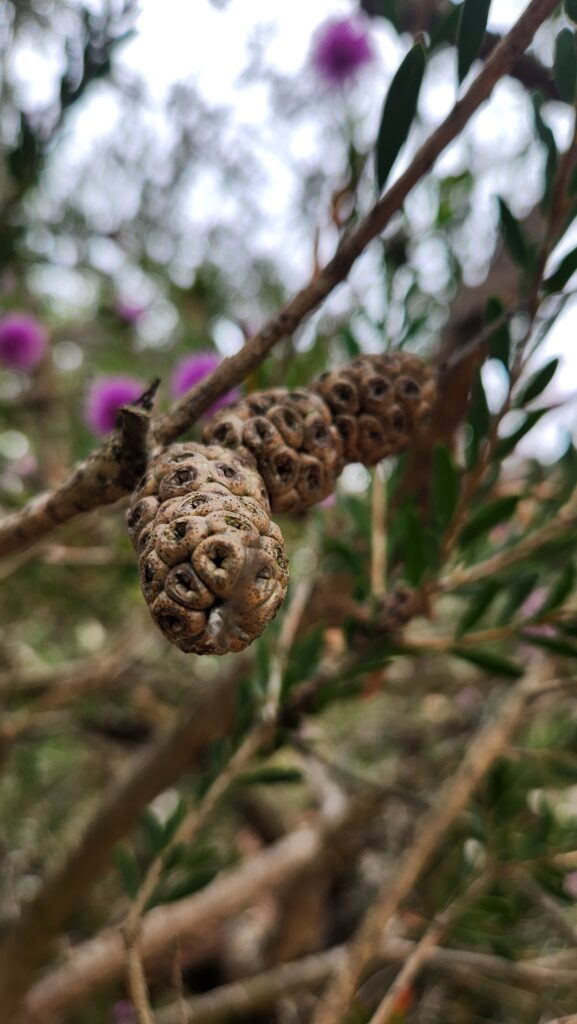
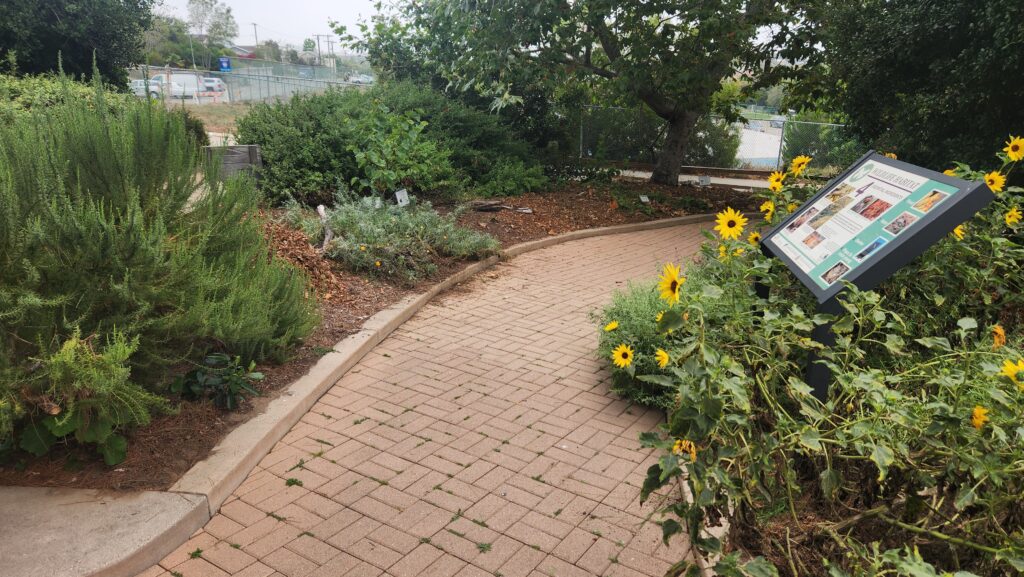
I adore small gardens, and this garden is an excellent teaching aid. Free of charge, open to the public, the volunteers do a wonderful job maintaining it. Solid walk paths and educational opportunities everywhere.
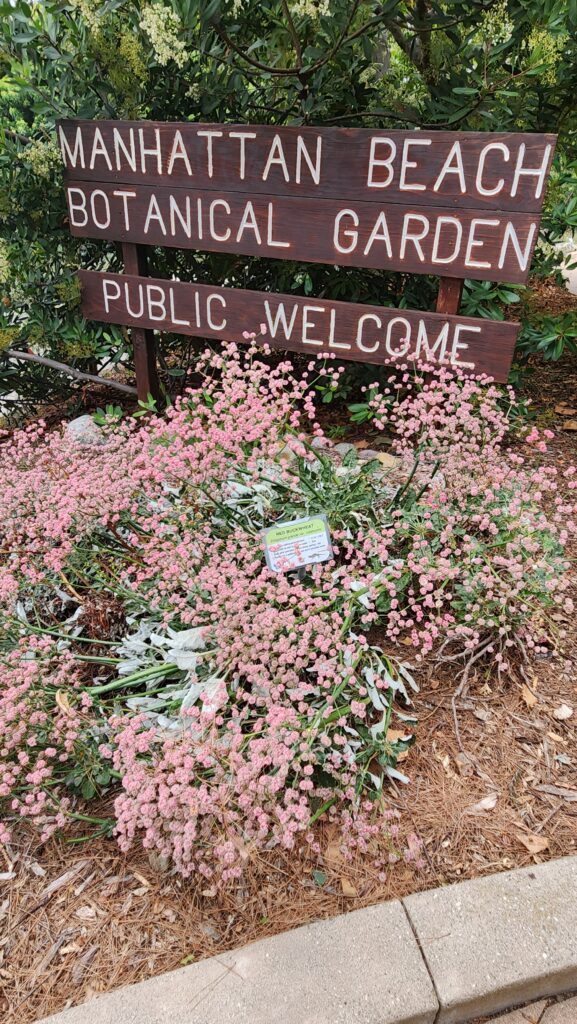
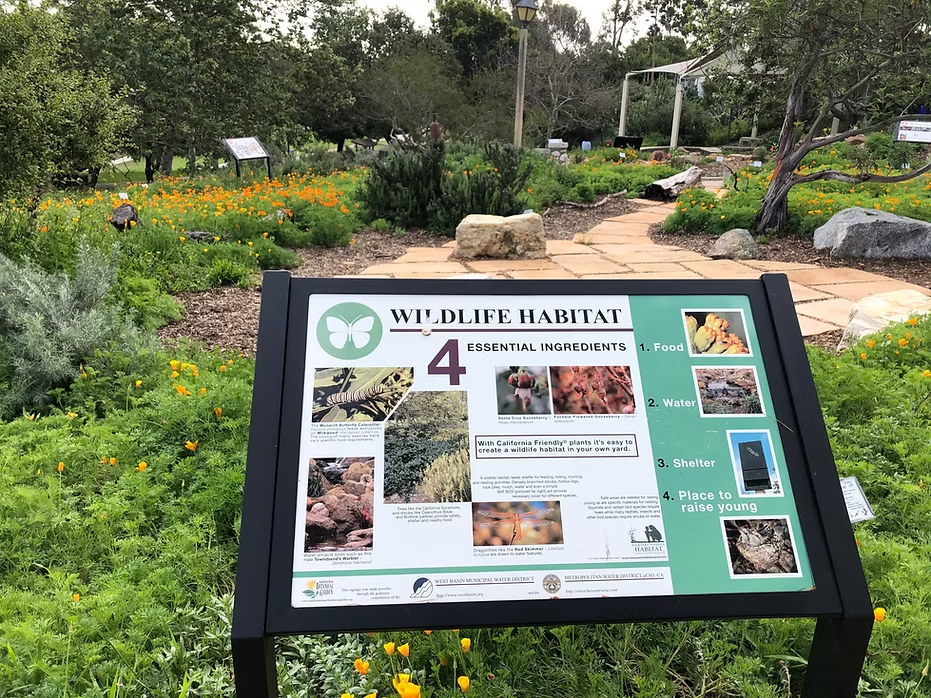
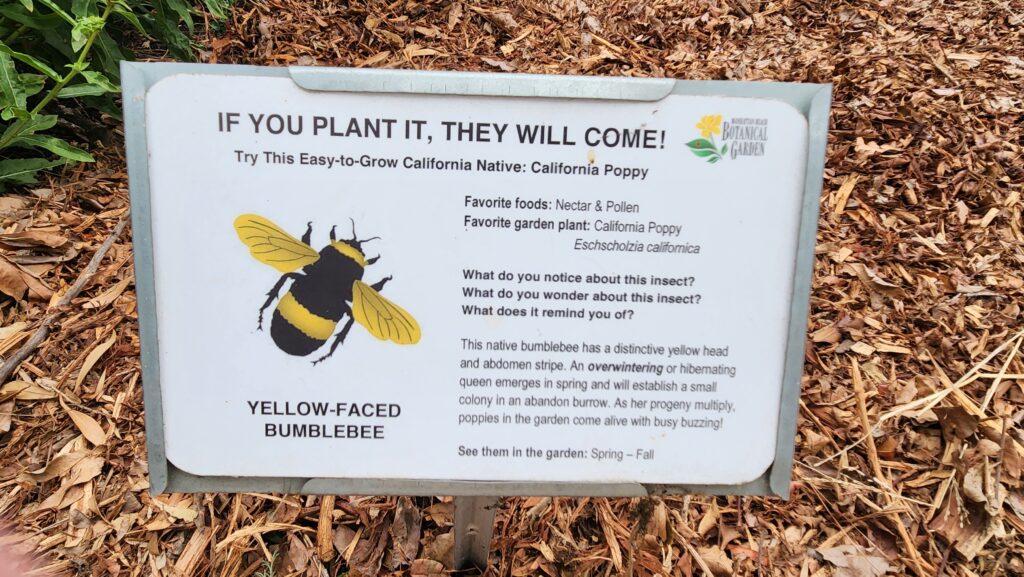
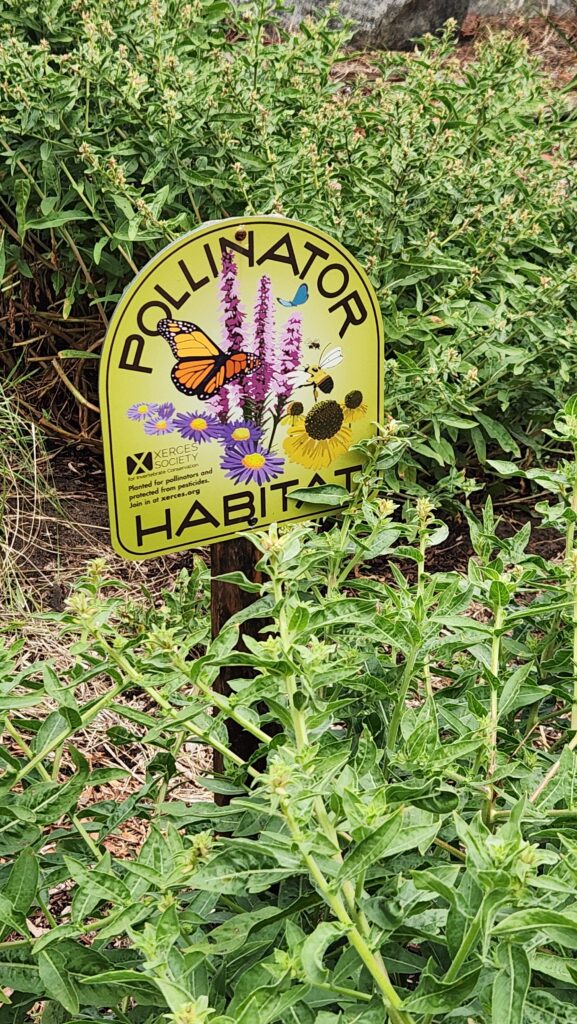
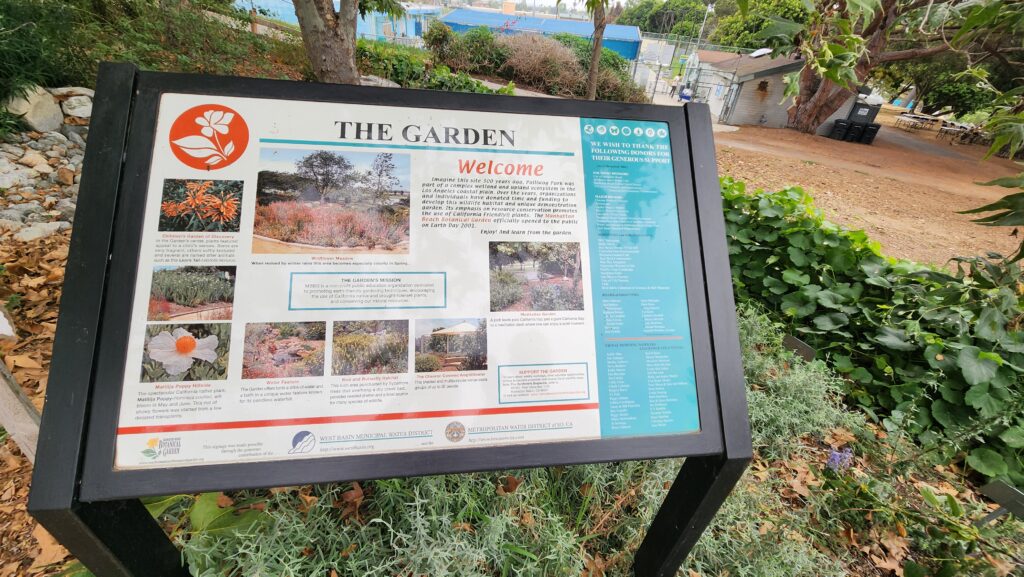
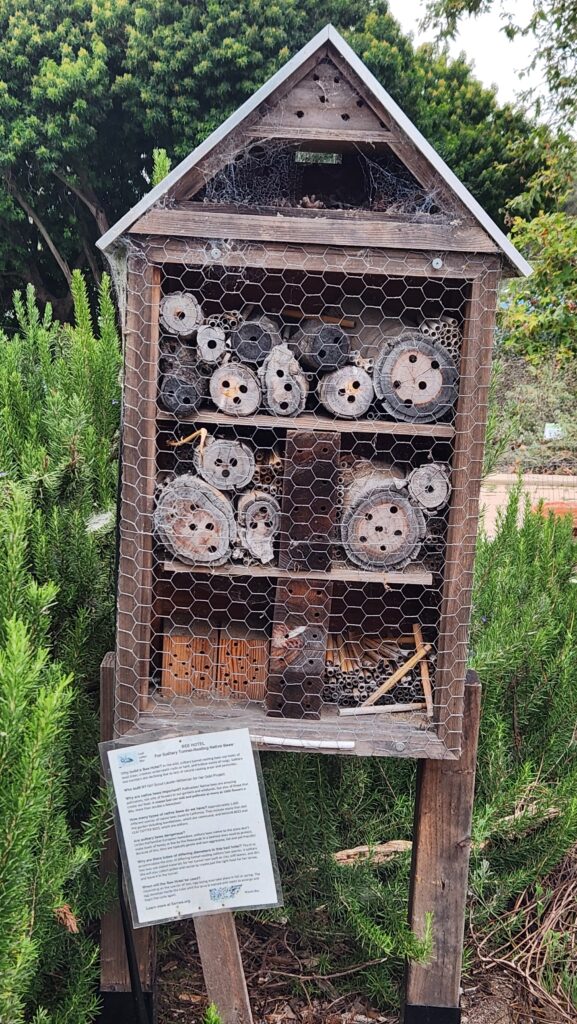
Manhattan Beach Botanical Garden (MBBG) is a 501c3 non-profit public education organization. Our dedicated volunteers are trained in Earth-friendly gardening techniques. They teach water conservation for the home landscape, as well as how to install and care for our local California native plants in a manner that is fertilizer-free, pesticide-free, and herbicide-free. Providing a safe environment for birds, butterflies, insects, and other wildlife promotes the well-being of our entire community.
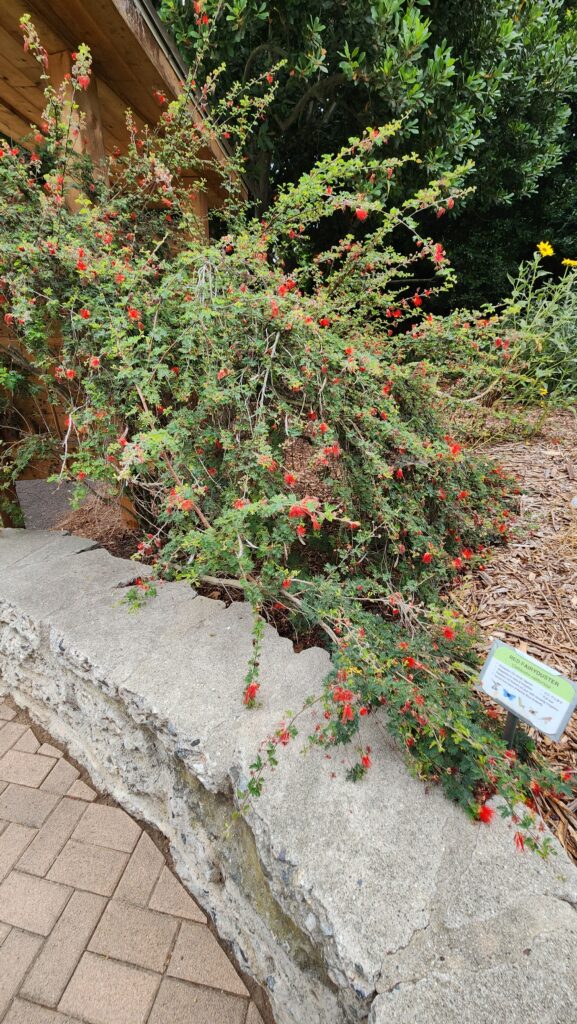
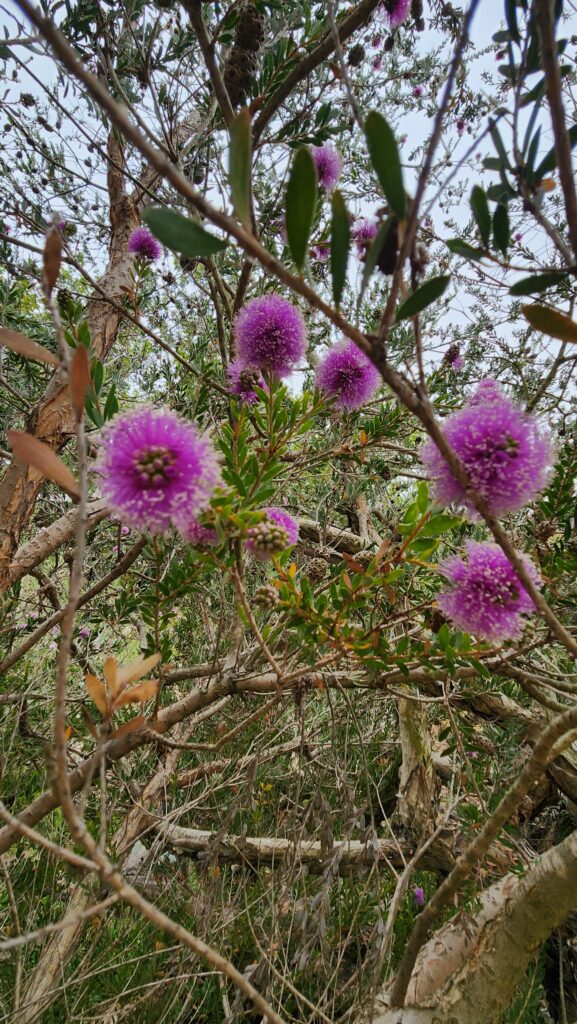
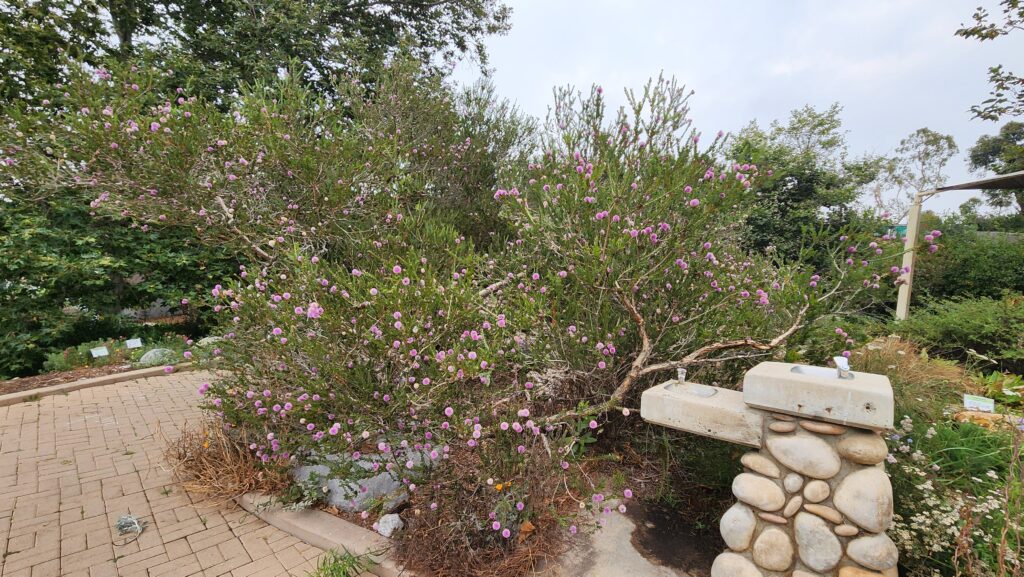
The organization’s ⅔ acre demonstration garden is a certified nature habitat located in Polliwog Park. It showcases California native plants and is a tool used when working with and teaching volunteers.
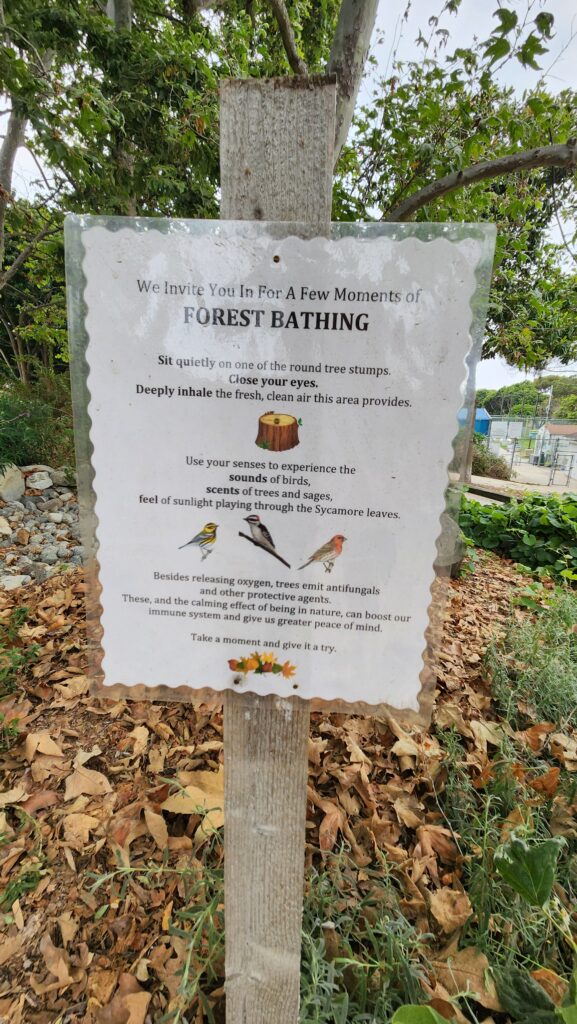
The garden is also a great place to visit and picnic. MBBG maintains an educational website, offers free gardening classes in spring and fall, and participates in local events.
Harlequin Bug – Friend or Foe?
Some insects show up in the garden and do significant damage to crops. They are the pests. Others don’t harm plants all, just eat pest insects. It’s interesting the beneficial predators don’t bother other beneficial insects much at all. Nature has an efficient system and balancing act. Not spoiling this natural pest control is one of the main reasons we don’t recommend the toxic chemical pesticides. They simply do more damage than good.
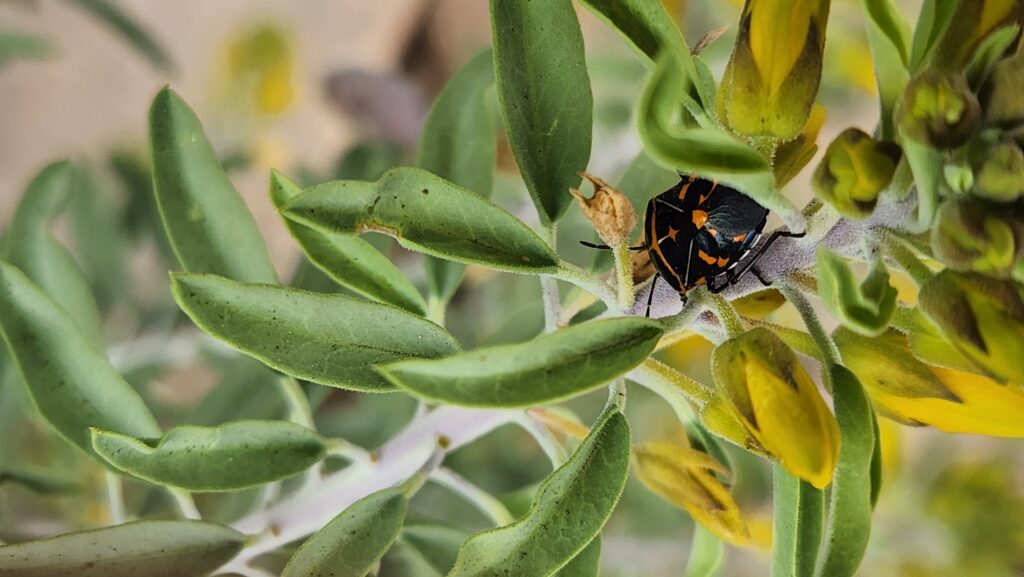
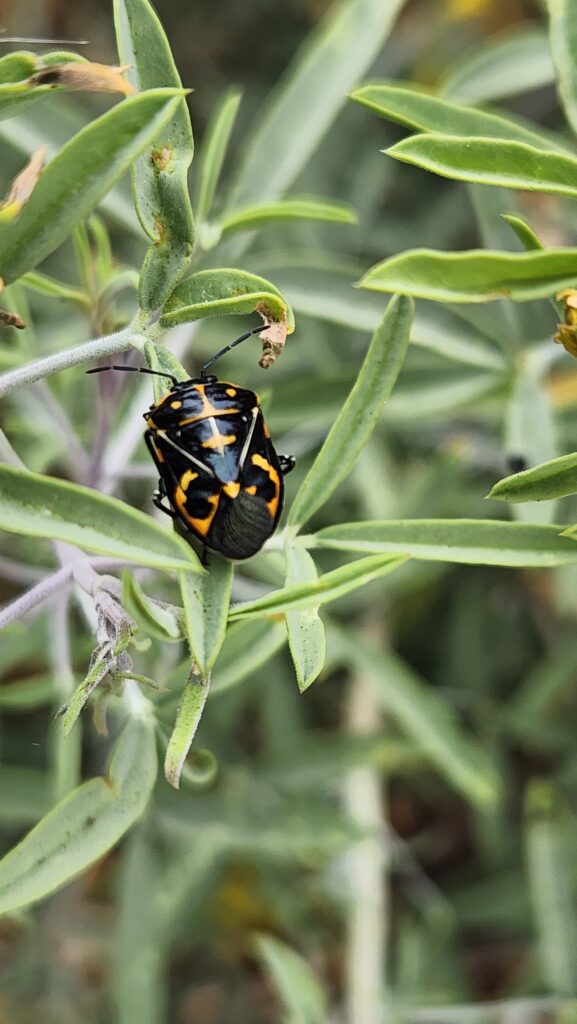
Then there is a third category of insects that falls more or less in the middle. They damage plants but there’s more to the story. The pretty harlequin bugs are in this category. They are true bugs, not beetles, and will hurt your plants, but they are actually in the business of helping gardeners.
They almost exclusively attack plants that are stressed, usually from being out of their season, especially those cool season crops as the spring weather starts to warm. Cabbage, broccoli, Brussels sprouts, cauliflower, collards, kale, and kohlrabi, and squash are the main targets, but they will attack other crops.
Cool season vegetables that have lasted into hot weather commonly welcome this decorative bug.
Adult harlequin bugs are black, shiny, flat and shield-shaped but are nicely decorated in red, orange or yellow. Nymphs are oval in shape. Adults hibernate in plant debris and can have multiple generations.
Harlequin bugs feed heavily on all members of the cabbage family, causing light splotches, shriveling and deformity to foliage. They can destroy a garden in a hurry. But – they are actually just trying to tell you something. It’s time to change to heat loving crops.
If you are irritated having pretty insect around, plant the cool season crops in the proper season – the fall. Encourage birds. Plant “trap” crops of mustard, turnip greens and the like. Spray manure compost tea, seaweed, molasses, and vinegar (Garrett Juice Formula) from time to time.
When planted in the fall, the mustard and cole crops will not bolt and go to seed or turn bitter as fast. In the fall, these plants mature as the days are getting cooler and shorter, which gives them a better flavor. When planted in the spring or just lasting long, these bugs move in fast. This bug is telling us “Look, dummy, you are planting these plants in the wrong season?”
Their eggs provide another fascinating feature. There are always ten eggs in a bunch, two rows of five side by side, and they look just like little wine barrels or kegs. You can see the “hoops,” the “cork” in the center, and the “staves” casting a shadow across the top. It is worth growing at least one mustard plant in the late spring just to get a look at the eggs.
Harlequin Bug – Friend or Foe? – The Dirt Doctor
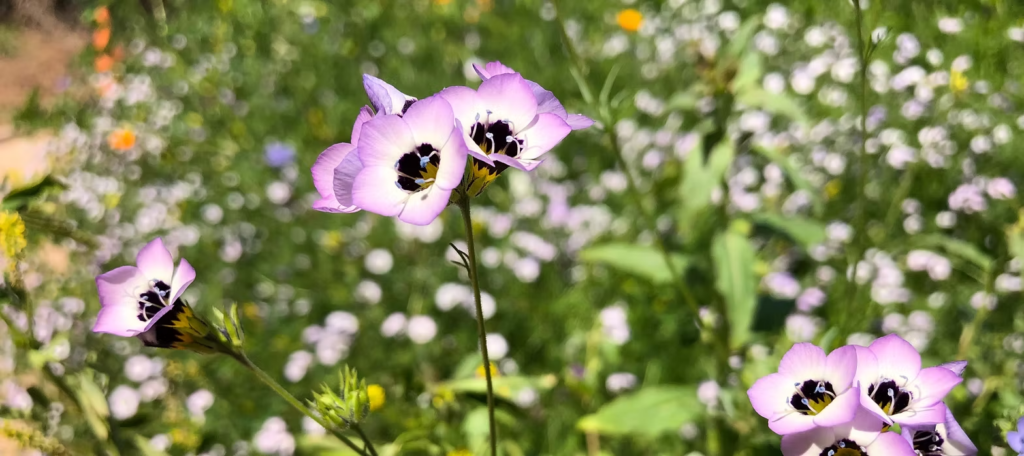
Sweet little garden area. Watch their website for educational events.
