
Sub-Total: $0.00
Flower Fun for the Family
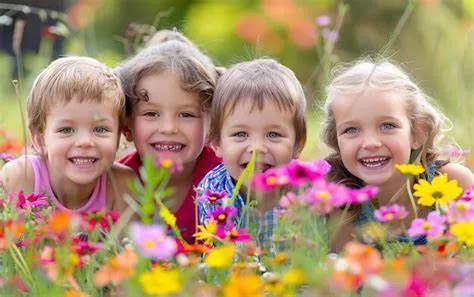
Flower facts are a great way to spark conversations and inspire learning this spring. I hope you find the perfect flower trivia for your lesson plans, gardening time, or nature play.
History of Flowers
Some of the most exciting flower facts are about how flowers evolved. In the early days on earth, all the plant life was green. There were no beautiful pops of colors from flowers. Slowly, plants evolved to have flowers.
- There were not always flowers on earth. Plants started to produce flowers about 130 million years ago. That means dinosaurs were here long before flowers.
- The first flowers on earth were small with tiny petals. They looked different from flowers today.
- Flowers evolved to have large, colorful petals and scents. This is how flowers attract insects.

Basic Flower Facts
Kids can learn basic information about flowers with this first group of flower facts. For parents and educators, it’s great to have quick flower trivia to share on walks, during Storytimes, and even while passing a flower display at the grocery store.
- Flowers have very short lifecycles compared to other plants.
- The flower is the reproductive part of the plant.
- Flowers use scent to attract pollinators, but not all flowers smell good.
- Many flowers grow thorns, spines, or prickles to defend themselves.
- The soil can affect the color of flowers too.
- Bloom is a word that means a flower opens up its petals.
- Some flowers will bloom in winter.
- Other flowers only bloom at night.
- Flowers like lotus and water lilies grow in water.

Pollinator Facts
Beyond the colors and scents, one of my favorite things about flowers is their relationship with other creatures. Flowers and pollinators depend on each other, but we all benefit from their connection.
- Pollen needs to move from flower to flower. That’s how flowers make seeds.
- Flowers need pollinators like bees, butterflies, hummingbirds, and bats. These critters move pollen from flower to flower.
- Wind and water also help flowers pollinate.
- Some flowers will also warm up to attract pollinators.

Fun Flower Trivia
Flower trivia is perfect for those who love facts and figures. Sometimes, we just really want to know what is the biggest, rarest, and fastest. Find those flower facts here!
- The titan arum is also the tallest flower in the world. It is over 9 feet (2.7 m) tall!
- And the titan arum only blooms once every 7-10 years.
- The heaviest flower is the rafflesia arnoldii. This flower is 3 feet (.9 m) across and weighs up to 15 pounds (6.8 kg)!
- Sunflowers, poppies, and petunias are some of the fastest-growing flowers.
- White flowers have a stronger smell than colorful ones.
- Blue is the rarest flower color.
- In nature, you can find almost every color of flower but black. Some flowers are such a deep purple color they almost look black.
Activity: Measure and mark flower heights on the wall, then compare them to students’ measurements. Or go on a flower scavenger hunt and see how many colors you can find.

Flower & Food Facts
Somehow our nature facts here on Well Beings always lead back to food. When it comes to flower facts, the tradition continues. These flower and food facts are perfect for snack or mealtimes.
- Fruit comes from flowers. That includes pumpkins!
- Broccoli, cauliflowers, and artichokes are flowers.
- Many flowers are edible. Flowers can be ingredients in sauces, salads, drinks, and more.
- Flowers are also made into spices and teas

Flowers & People
It’s impossible to separate flowers and humans. Flowers are part of our food system, culture, and natural environment. These flower facts can help kids understand how flowers are meaningful for people.
- The poppy super bloom in California, the tulip season in the Netherlands, and the cherry blossom bloom in Japan are famous flower events. People plan trips just to see the flowers.
- Each type of flower has a different meaning.
- Different colors of roses have different meanings. Red means love, yellow means friendship, and pink means “thank you!”
- There are flower careers! Botanists study plants. Horticulturists use science to help plants and flowers grow. Florists create floral arrangements.

More Flower Facts
Here are a few more flower facts to finish off the list. I hope you found some flower trivia to share with others or to add to your classroom lesson plans.
- Sunflowers follow the sun from sunrise to sunset. Overnight, they turn back to the east and wait for sunrise again.
- Flowers give us information about the chemical makeup of the soil.
- It is a myth that peonies need ants to help them bloom. Actually, ants eat sweet nectar and protect the flower from other insects.
