
Sub-Total: $0.00
National Garden Month Part 2: Mastering Sustainable Gardening
Cultivate a Greener Future: Why Sustainable Gardening Matters
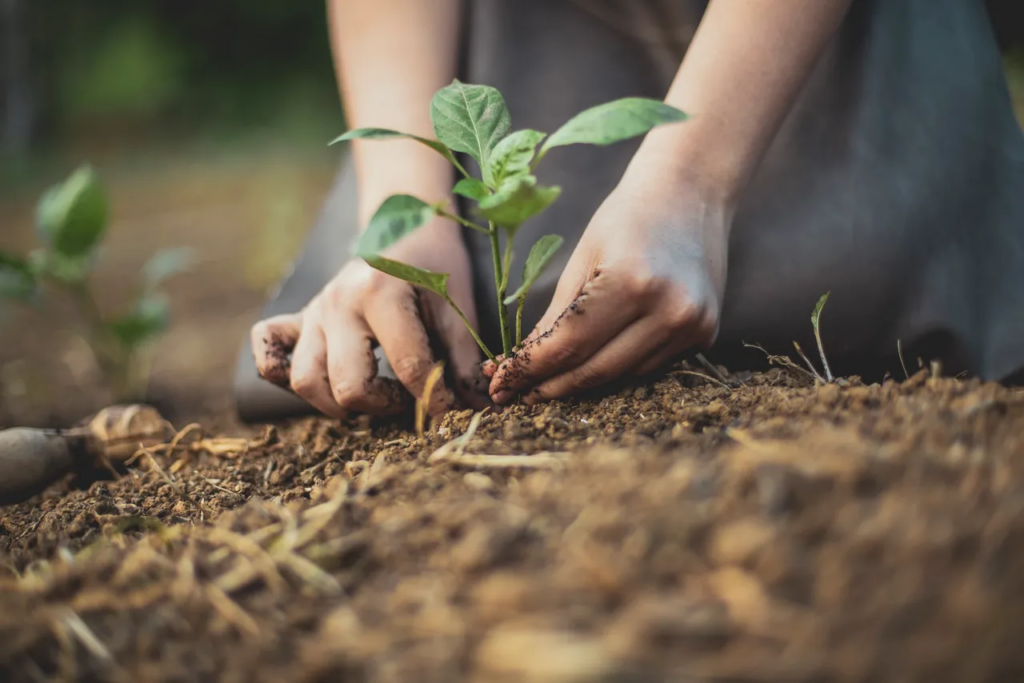
Imagine a garden where every choice nurtures the earth and sustains future generations. Sustainable gardening isn’t just a trend—it’s a commitment to creating resilient landscapes by harnessing natural, eco-friendly practices. In today’s rapidly changing world, adopting energy-efficient, water-conserving techniques is essential for robust plant health and thriving local ecosystems. This introduction sets the stage for an in-depth exploration of practices that support soil health, reduce chemical usage, and bolster biodiversity.
Throughout this guide, you’ll learn practical, hands-on tips such as:
- Choosing organic fertilizers that feed the soil naturally
- Implementing efficient irrigation methods to minimize waste
- Establishing native plant communities suited for California climates
By embracing sustainable methods, gardeners not only improve their local environment—from Atascadero to neighboring regions—but also enjoy a rewarding hobby that connects them deeply with nature. Get ready to dive into actionable solutions and transformative ideas that empower you to build a garden that stands the test of time.
Top 7 Eco-Friendly Practices for a Sustainable Garden
Improve your outdoor space with methods that focus on harmonizing nature and practical gardening. Embrace these seven key practices to create an eco-friendly garden that flourishes in Atascadero, California:
- Soil Health Management – Enrich your soil with regular organic amendments to enhance nutrient levels naturally. Healthy soil sets the foundation for vigorous plant growth.
- Water Conservation Techniques – Install drip irrigation systems and mulch around plants to reduce evaporation and ensure water efficiency.
- Organic Pest Control – Use natural predators and botanical insecticides, which keep pest populations balanced without harmful chemicals.
- Native Plant Selection – Choose local flora that are well-adapted to regional conditions, reducing maintenance requirements and water usage.
- Sustainable Composting – Convert garden and kitchen waste into nutrient-rich compost, fostering soil biodiversity.
- Reduced Chemical Usage – Replace synthetic fertilizers with organic alternatives, supporting a resilient ecosystem.
- Local Sustainability Networks – Connect with community gardening groups to share ideas on resource conservation and bolster regional eco-friendly practices.
Each of these actionable tips not only supports environmental well-being, but also helps build a garden that naturally thrives in your local climate.
Nurturing Soil for a Flourishing Garden
Healthy soil is the secret ingredient behind any thriving sustainable garden. By understanding and managing soil health, gardeners can cultivate a robust ecosystem that naturally supports plant growth. This approach reduces reliance on chemical fertilizers and pesticides, creating a self-sustaining environment that fosters beneficial microbes and earthworms.
When you invest time in improving soil quality, you set the stage for resilient crops and vibrant landscapes. Consider these actionable tips for developing healthier soil:
- Organic Matter: Regularly incorporate compost and mulch to boost nutrient content.
- Soil Testing: Monitor pH levels and nutrient balance to adjust fertilization accurately.
- Crop Rotation: Rotate plantings to avoid pest build-up and nutrient depletion.
- Water Management: Ensure proper irrigation to maintain adequate moisture without over-saturating the soil.
Gardening enthusiasts in areas like Atascadero, California, can benefit from locally tailored practices that address both climate and soil conditions. These sustainable strategies not only improve plant health but also build a natural defense against erosion and pests. Engaging in regular soil care transforms your garden into a healthier, more productive space—setting a strong foundation for a flourishing, eco-friendly garden.
Eco-Friendly Pest Control for a Lush Garden
Embracing natural pest management can transform your garden into a thriving ecosystem. Follow these steps to harmonize your plant care with ecological principles:
- Conduct a thorough garden inspection. Identify common pests by observing leaves, stems, and soil in your Atascadero garden. Early detection is key to preventing infestations.
- Introduce beneficial insects. Ladybugs, lacewings, and predatory wasps are nature’s pest controllers. Encourage these allies by planting nectar-rich flowers and maintaining diversity in your garden beds.
- Employ organic treatments. Use homemade remedies like diluted neem oil or garlic spray. These safe, eco-friendly solutions help deter pests without harming beneficial organisms.
- Maintain proper garden hygiene. Regularly remove debris and affected plant parts. Improve soil health with compost and organic mulch, fostering a resilient plant community.
- Monitor and adjust. Observe results and tweak your approach by experimenting with companion planting and natural repellents.
By integrating these steps, you not only manage pests efficiently but also promote an organic, sustainable garden environment right here in California. Happy gardening and enjoy a flourishing, pest-resilient landscape!
How can I begin my sustainable gardening journey?
Starting your sustainable garden starts with evaluating your soil and choosing native plant species. Preparing the bed with organic compost and mulches can improve water retention and nutrient balance, ensuring your garden thrives in local climates like those in California.
What organic practices boost garden productivity?
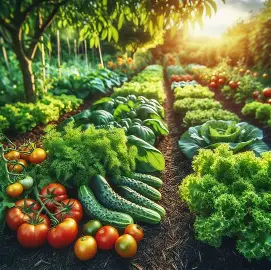
Utilize natural pest deterrents and organic fertilizers to maintain soil health. Compost, cover crops, and mindful crop rotation contribute to a vibrant ecosystem while reducing chemical dependencies.
How does my local climate affect sustainable practices?
Regional conditions in areas like Atascadero require tailored watering schedules and heat management. Incorporating drought-tolerant and native species can help your garden resist seasonal fluctuations.
What are effective water-saving techniques?
Drip irrigation systems, rain barrels, and mulching work together to conserve water, ensuring efficient usage, especially during dry spells.
How can integrated pest management improve garden health?
Balancing beneficial insects and using organic methods minimizes pests naturally, reducing the need for synthetic pesticides and promoting long-term ecological balance.
Parting Insights for a Greener Tomorrow
As you reflect on your sustainable gardening journey, consider how every small change contributes to a healthier ecosystem. Embracing methods that conserve water, enhance soil fertility, and support local biodiversity can transform your outdoor space into a thriving sanctuary. Sustainable gardening isn’t just a trend—it’s a commitment to nurturing our environment for future generations.
Key takeaways include:
- Prioritize natural fertilization and organic pest control.
- Utilize seasonal planting and water-saving techniques.
- Embrace local native species suited for regions like Atascadero, California.
Practical steps to move forward:
- Assess your garden’s unique microclimate.
- Integrate eco-friendly practices into your daily routines.
- Cultivate community knowledge by sharing your experiences.
Remember, each thoughtful decision in the garden helps bolster local ecosystems and strengthens community bonds. Your ongoing dedication to sustainable practices is both an inspiration and a roadmap to a more resilient future. Keep experimenting, learning, and encouraging others to join the movement toward a greener, more sustainable world.
