Sub-Total: $0.00
National Pollination Week- 3rd week in June 15th-19th
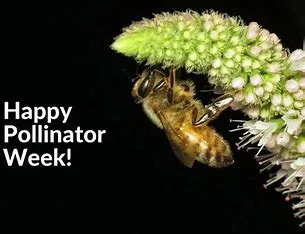
The U.S. Department of Agriculture (USDA) is recognizing National Pollinator Week through the continued commitment and support for pollinator health and research. Pollinator species, such as bees, other insects, birds and bats play a critical role in producing more than 100 crops grown in the United States. Honeybee pollination alone adds more than $18 billion in value to agricultural crops annually.
“Our world’s ecosystem and food supply greatly rely on pollinators – without them, many of our nation’s crops wouldn’t be able to produce as many fruits, nuts or vegetables resulting in lower supplies and higher prices,” said Agriculture Secretary Tom Vilsack. “This week and every week, it is critically important that we continue to encourage the protection of pollinators and their habitats.
HISTORY OF NATIONAL POLLINATOR WEEK
National Pollinator Week was started and is managed by the Pollinator Partnership. The first National Pollinator Week was observed in 2017 in America after the Senate’s unanimous approval that acknowledged the week as a necessary step in taking cognizance of the urgent issue of declining pollinator populations. Unfortunately, around 40% of invertebrate pollinator species, especially bees and butterflies, face the danger of going extinct. Rising temperatures, scarcity of habitats, and increased human activities threaten the existence of these friendly animals. Today, the week is observed as an international celebration to protect the ecosystems that sustain pollinators like bees, birds, butterflies, bats, and beetles.
Pollinator Partnership conducts different programs for children, teens, and adults every year. These programs aim to get people across the planet to pledge their support to the cause and continue promoting pollinator health and well-being. The organization conducts a number of gatherings, webinars, planting sessions, garden and farm walks, and lighting of monuments throughout the week-long celebration.
