
Sub-Total: $0.00
NATIONAL WEED YOUR GARDEN DAY- June 13
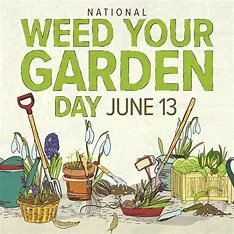
Every year, June 13 is observed as National Weed Your Garden Day. Every good gardener knows that weeding is as essential to gardening as watering the plants or enriching the soil with fertilizers. Weeds grow very fast and if you are inattentive, they might even deprive other plants of nutrition and space. We recommend weeding regularly since it can become overwhelming if the garden is left unattended for long periods. You can also keep weed growth in check by using weed-free soil and not letting weeds go to seed.
Gardening is a fun, relaxing hobby for many of us. While some prefer flower gardens, others might enjoy tending to a kitchen garden. Gardens are not just a ready source of herbs, fruits, vegetables, and flowers, but spending time with plants can also uplift your mood. Those who enjoy gardening are also better equipped to deal with stress and other negative emotions. While weeding is one of the more taxing aspects of gardening, it’s essential to remove weeds regularly to ensure that your plants stay healthy. Weeding can be done by hand or mechanically with a mower. Some of the most common weeds that you will spot in the garden are dandelions, clovers, groundsels, and common daisies.
Gardening is not just a hobby but also an expression of creativity and cultural pride. Many famous gardens are a display of nature and art, and may even symbolize social status or national pride. Almost all cultures from time immemorial have planned and invested in private and public gardens. From emperors to city planners, patrons have always encouraged building grand gardens to beautify the city. In fact, some gardens have been constructed so wonderfully that they have been elevated to the status of heritage sites and must-visit tourist destinations. It is also not uncommon to find pools, temples, and mausoleums in gardens dating back centuries. Modern gardens often have gazebos, nurseries, and benches on the premises.
NATIONAL WEED YOUR GARDEN DAY TIMELINE
6th Century B.C. Hanging Gardens
Nebuchadnezzar II constructs the Hanging Gardens in Babylonia as a gift to his wife.
16th Century First Public Gardens
The first public gardens are built by the Spanish Crown in Europe and the Americas.
1830 Lawn Mower
Edward Beard Budding invents the lawnmower in England.
1900 Monet’s Painting
Claude Monet paints “The Artist’s Garden At Giverny” in 1900.
