Sub-Total: $0.00
Pinnacles and Bear Gulch Nature Center
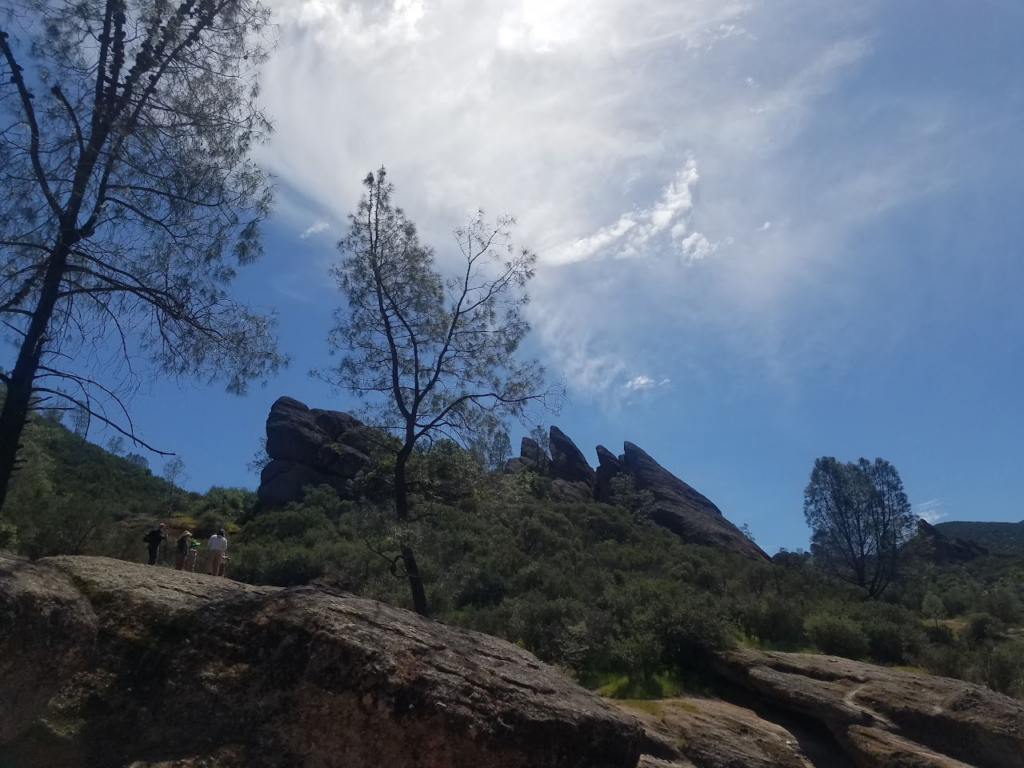
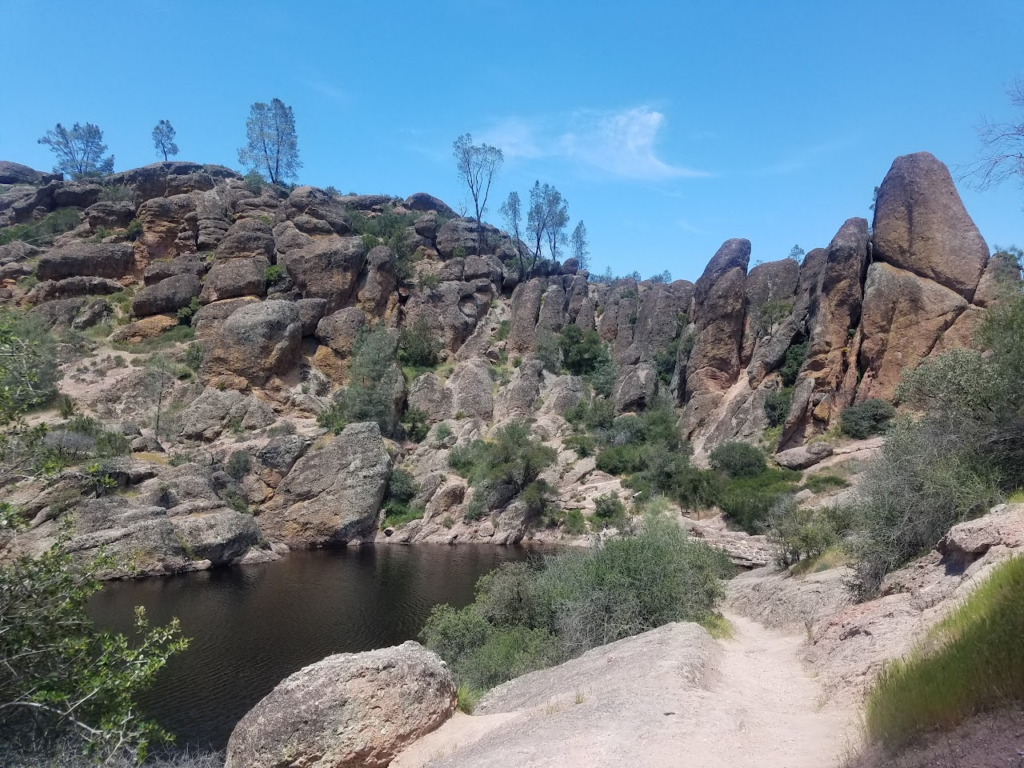
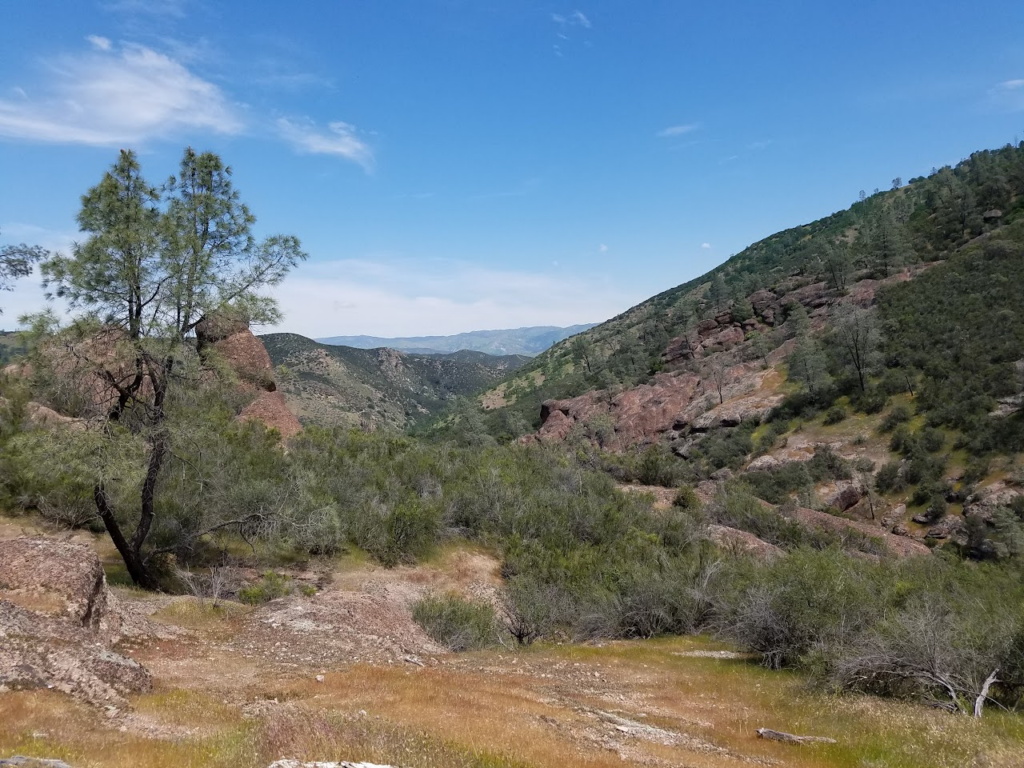
Pinnacles National Park is a landscape shaped by both natural forces and human hands over thousands of years. From the Native peoples who first inhabited the area, to the arrival of Spanish missionaries and early settlers, to the impactful work of the Civilian Conservation Corps in the 1930s, Pinnacles has a rich and evolving history. Today, as a dynamic and protected National Park, Pinnacles continues to be a place of discovery, conservation, and inspiration. Explore the stories of those who have interacted with this remarkable landscape and learn how its legacy continues to unfold.
Ancient Inhabitants: Native Peoples of Pinnacles
For over 10,000 years, Native peoples have lived in and shaped the landscape of California, including the area that is now Pinnacles National Park. Discover how they interacted with the land, utilized its resources, and maintained a deep connection with the environment.
Spanish Influence and Early Settlers
Explore the rich history of Spanish missionaries and early settlers who arrived in the region before Pinnacles was designated as a National Monument. Learn about their interactions with the landscape and the cultural shifts they brought.
Building the Legacy: The Civilian Conservation Corps
The Civilian Conservation Corps (CCC) played a crucial role in the development of Pinnacles during the 1930s. Discover how their efforts shaped the park’s trails, infrastructure, and conservation efforts that continue to be appreciated today.
Pinnacles Today: A Dynamic Landscape
From its origins as a National Monument to its status as a National Park, Pinnacles continues to evolve. Gain insight into its transformation and explore the challenges and opportunities that lie ahead for this unique and dynamic landscape.
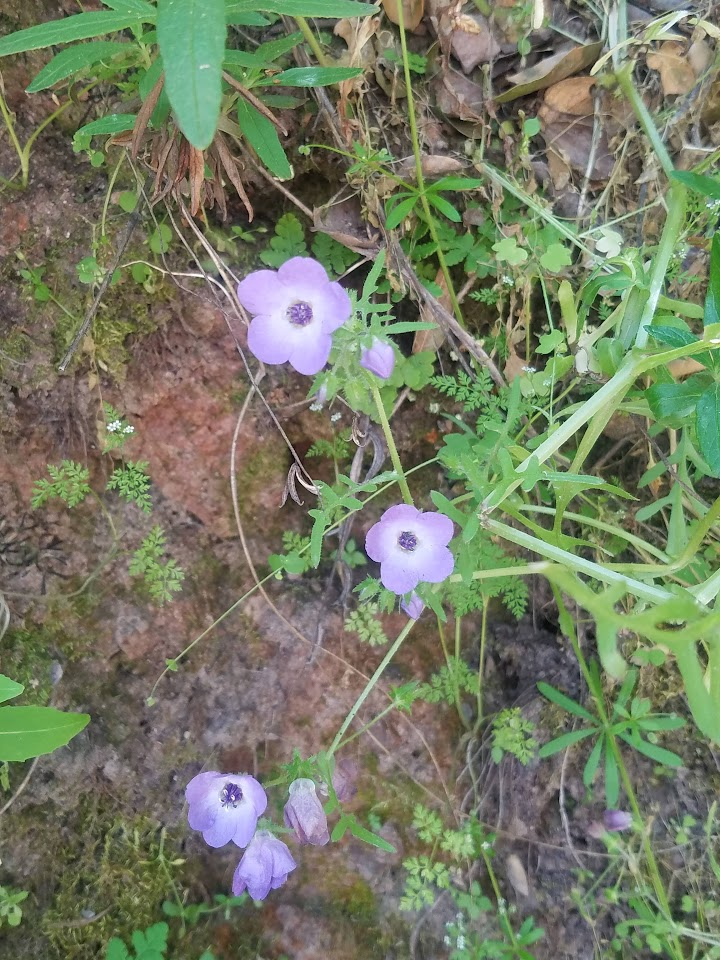
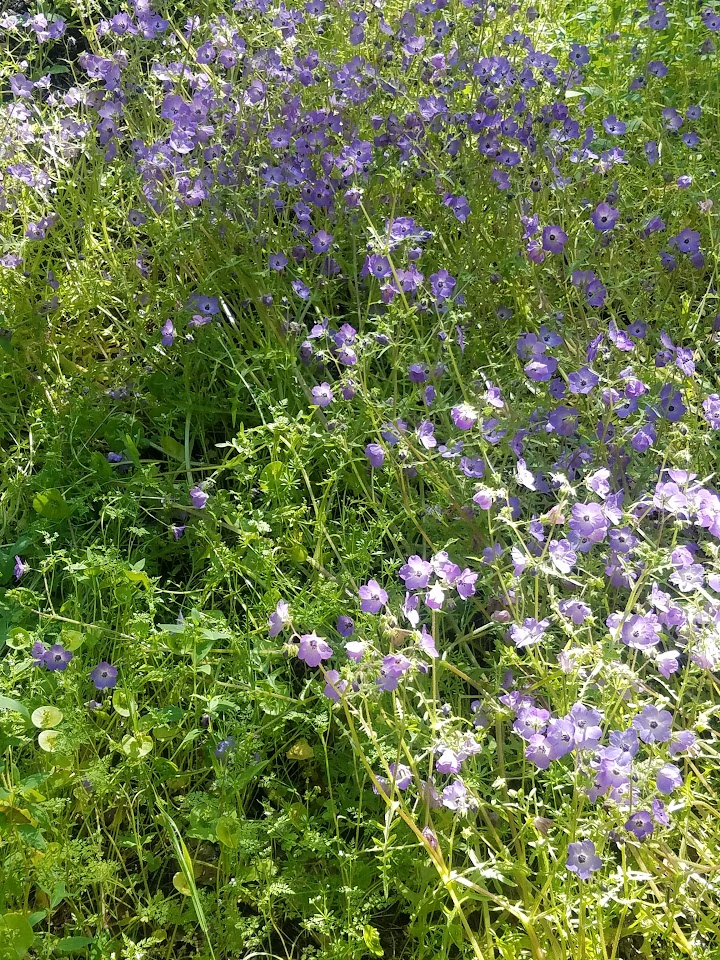
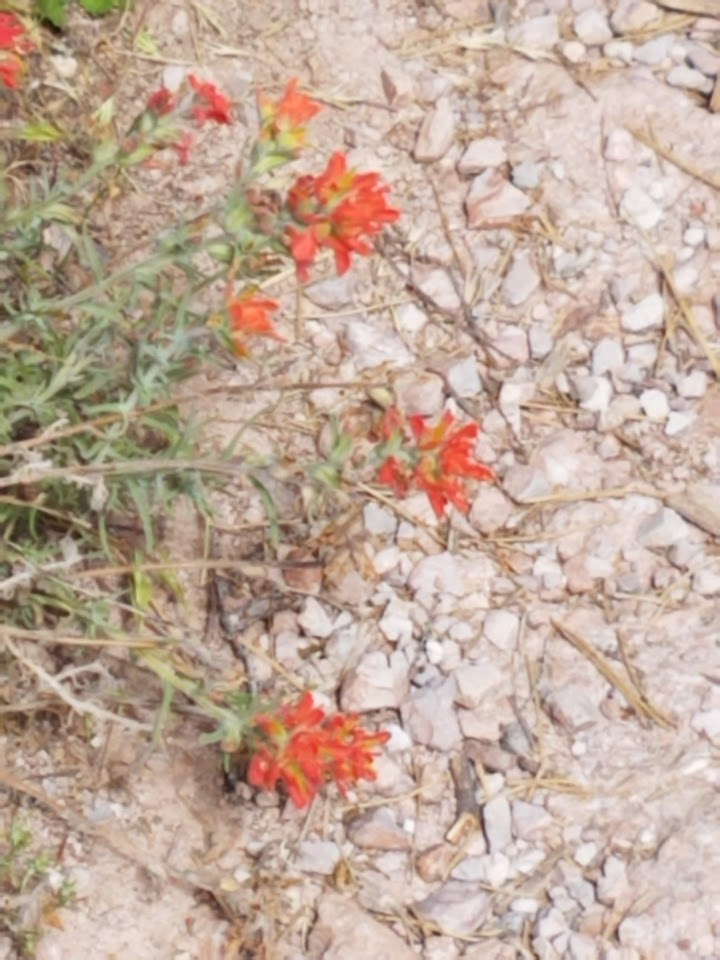
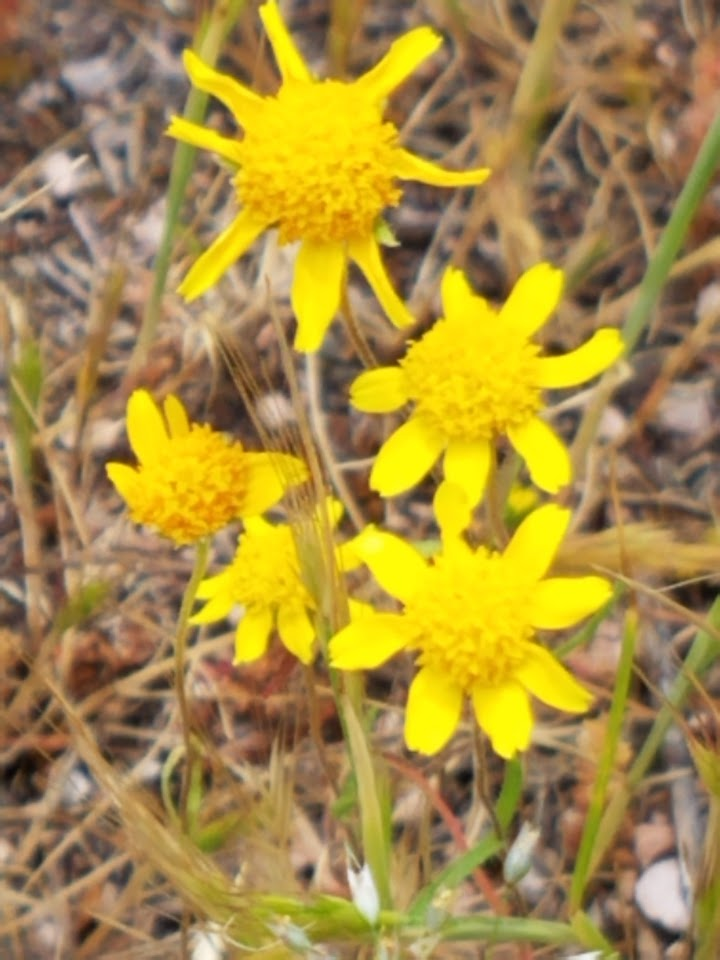
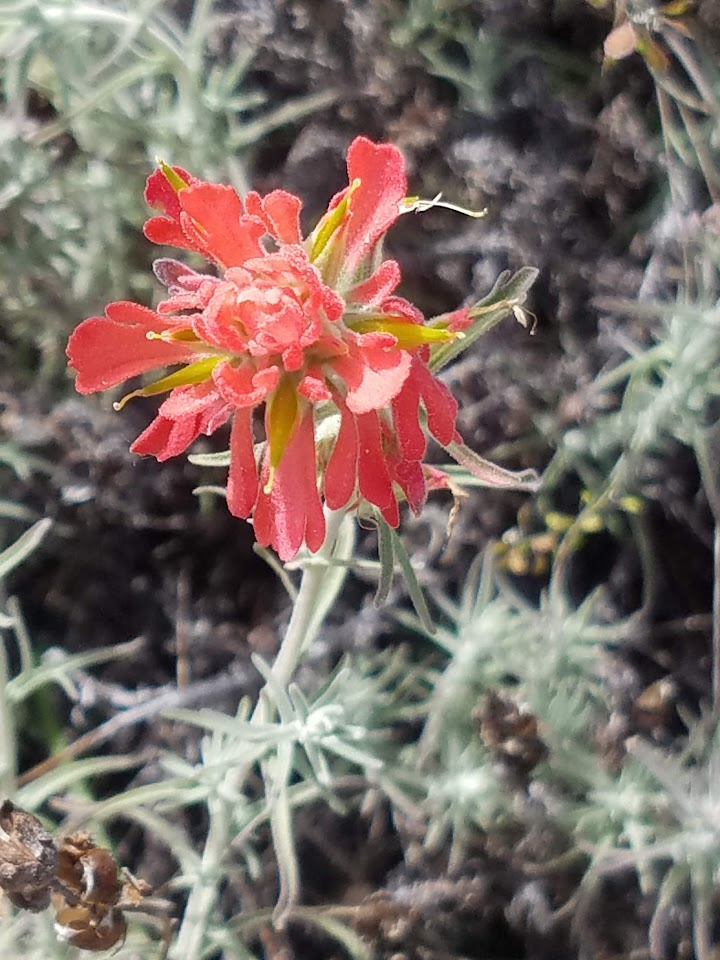
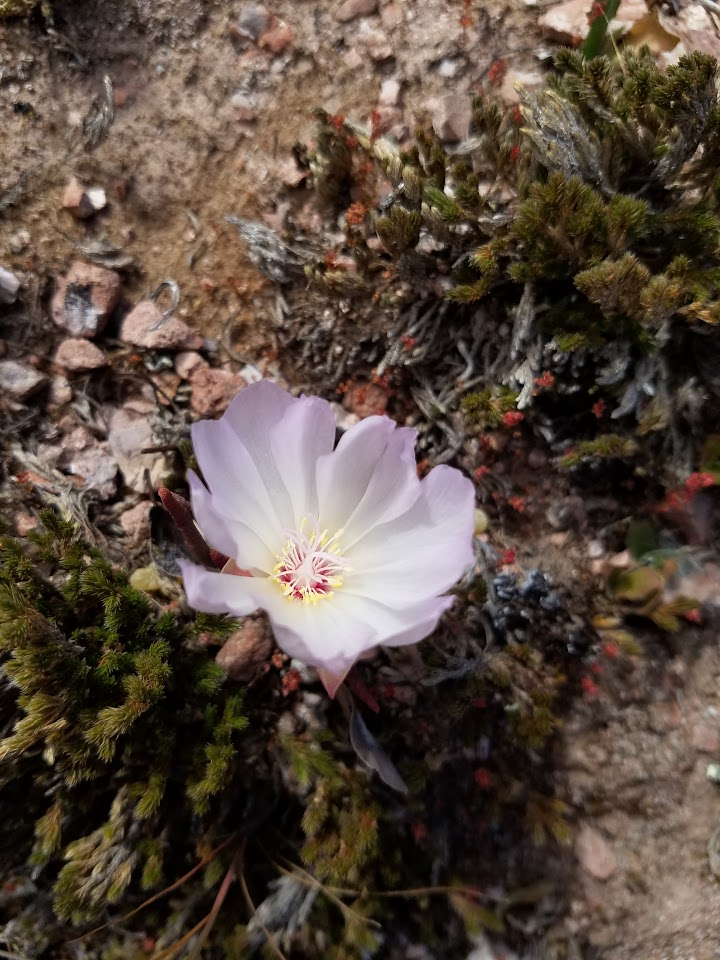
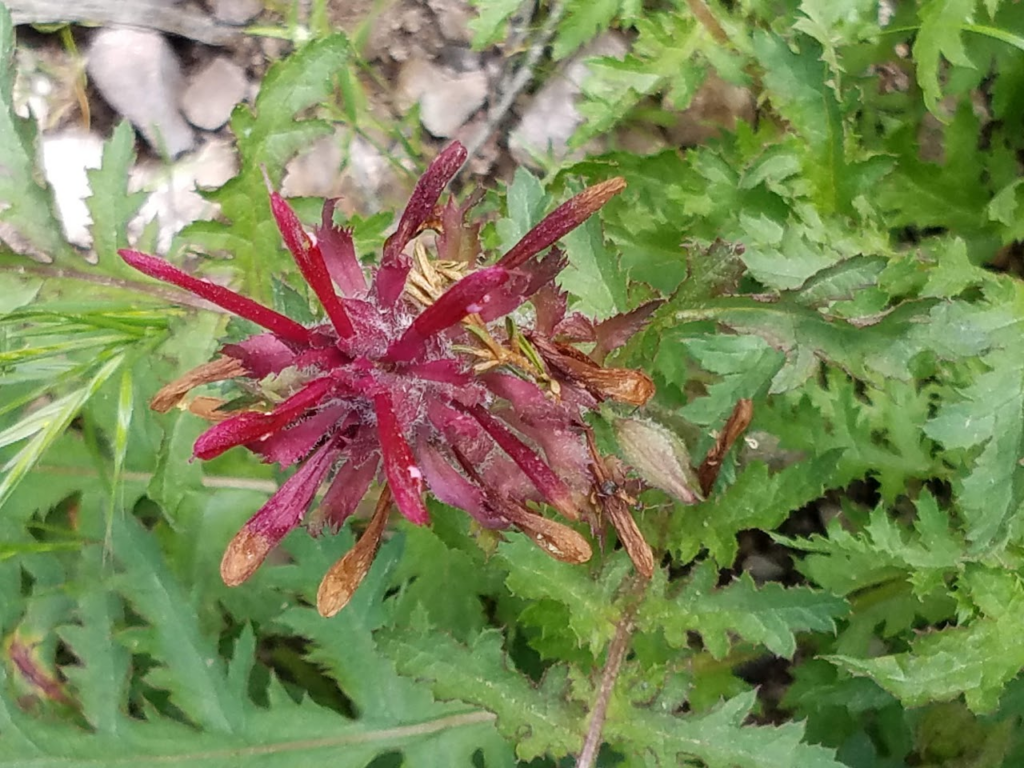
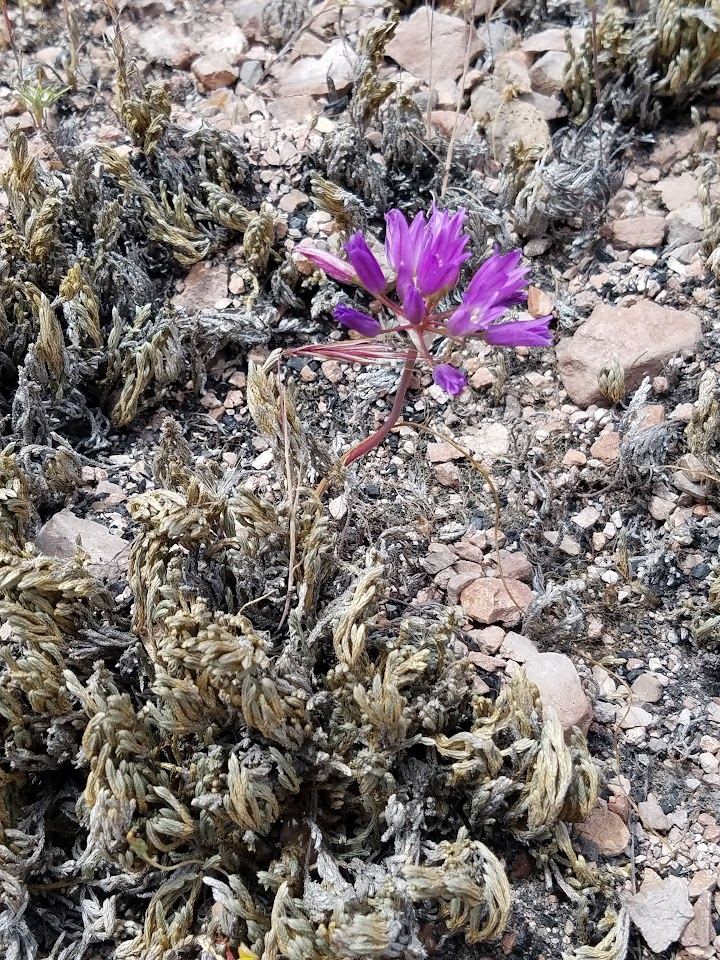
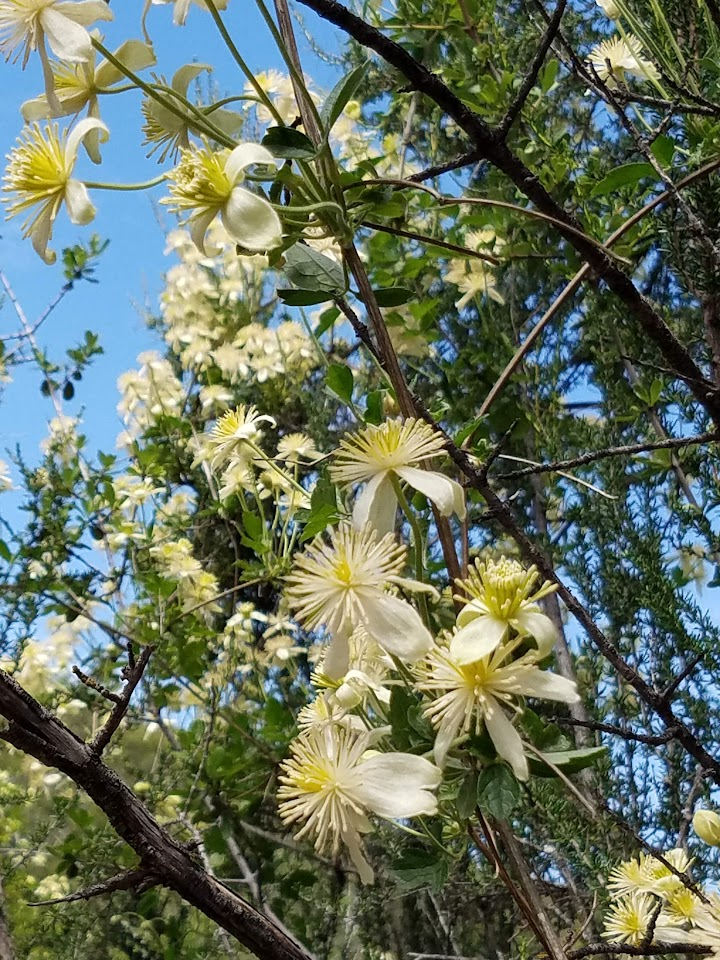
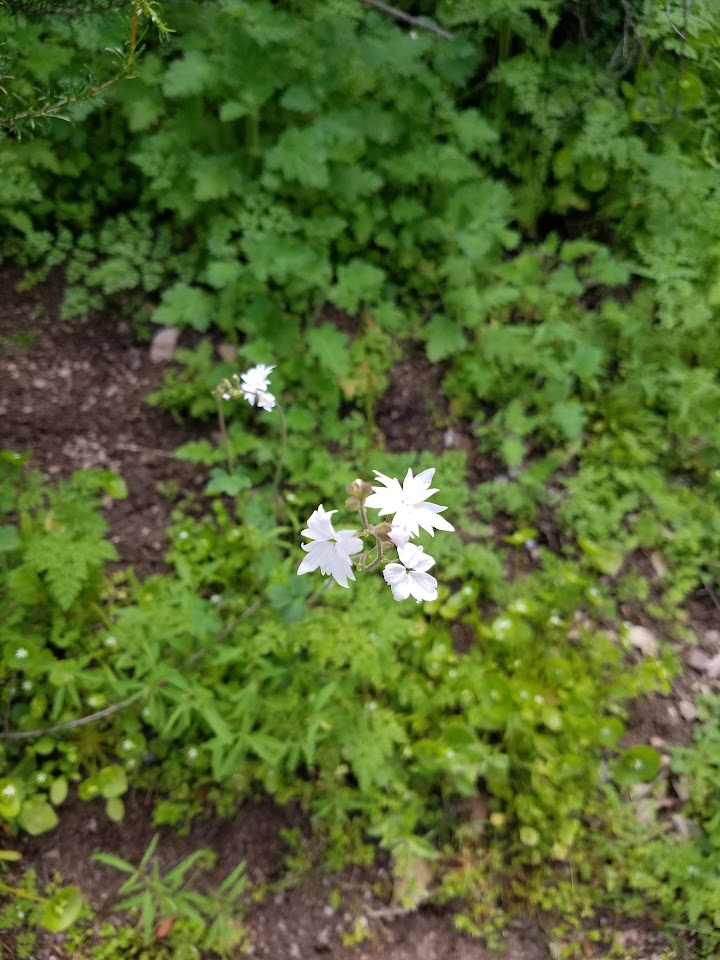
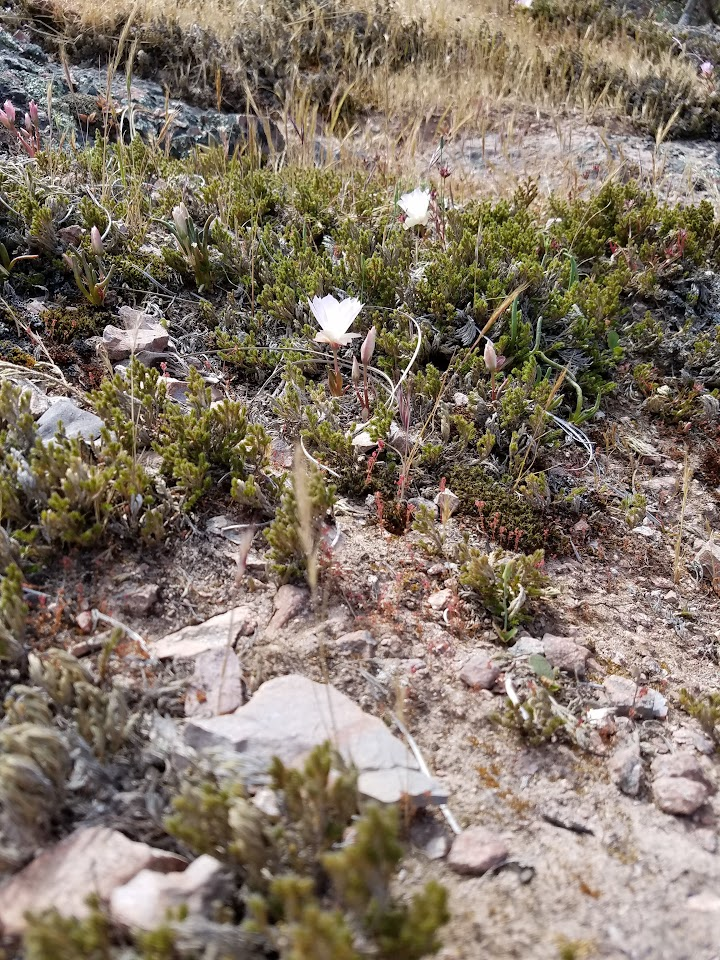
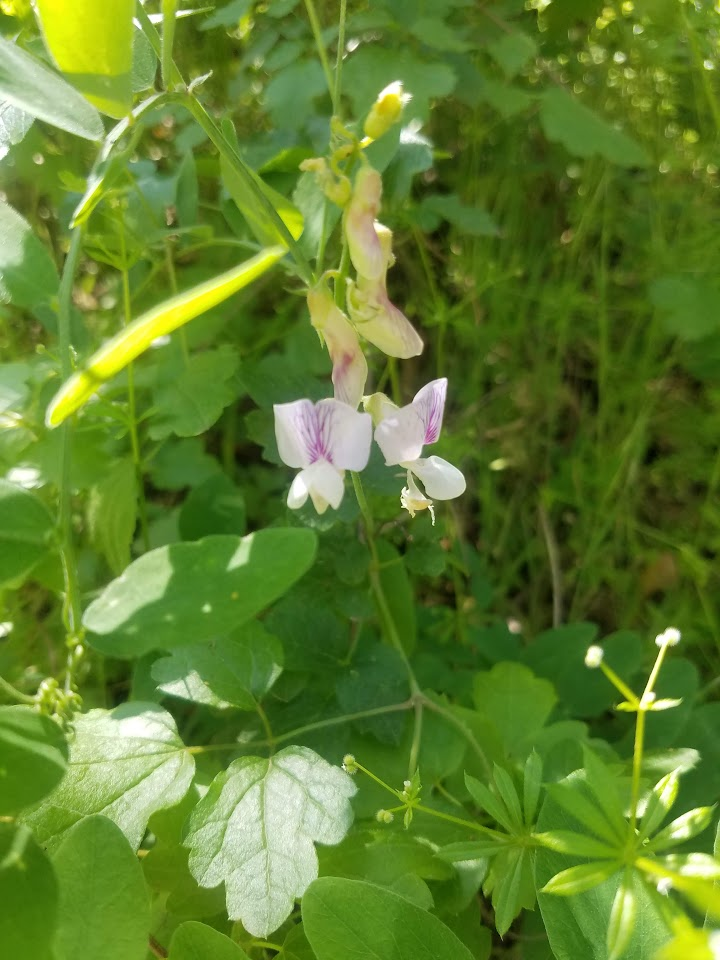
To see the wildflowers in this wonderful National park, click here Photo Gallery (U.S. National Park Service)
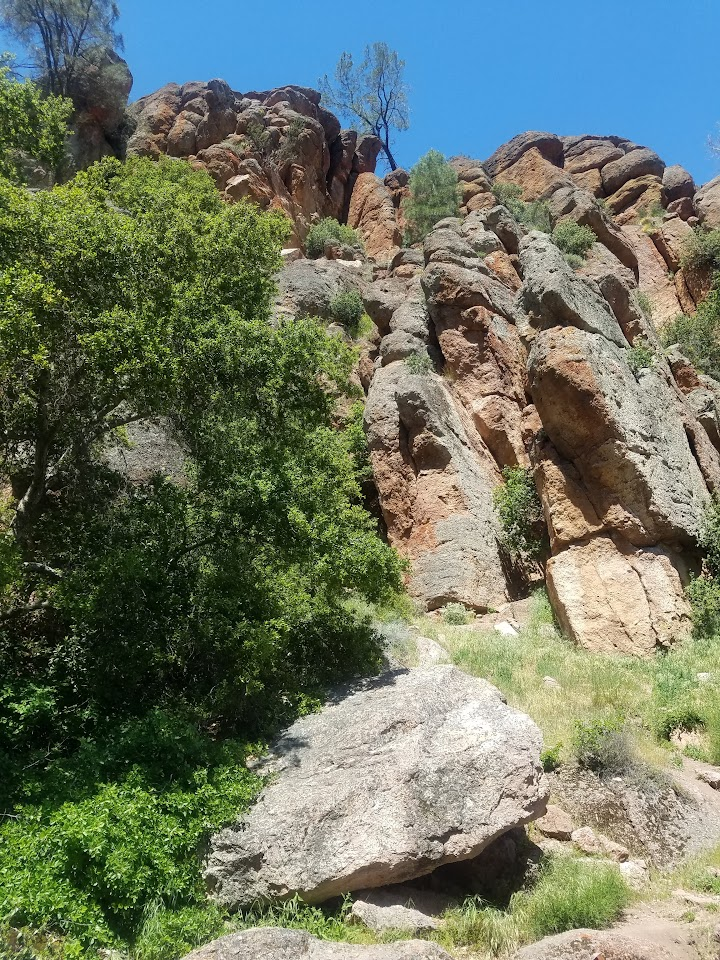
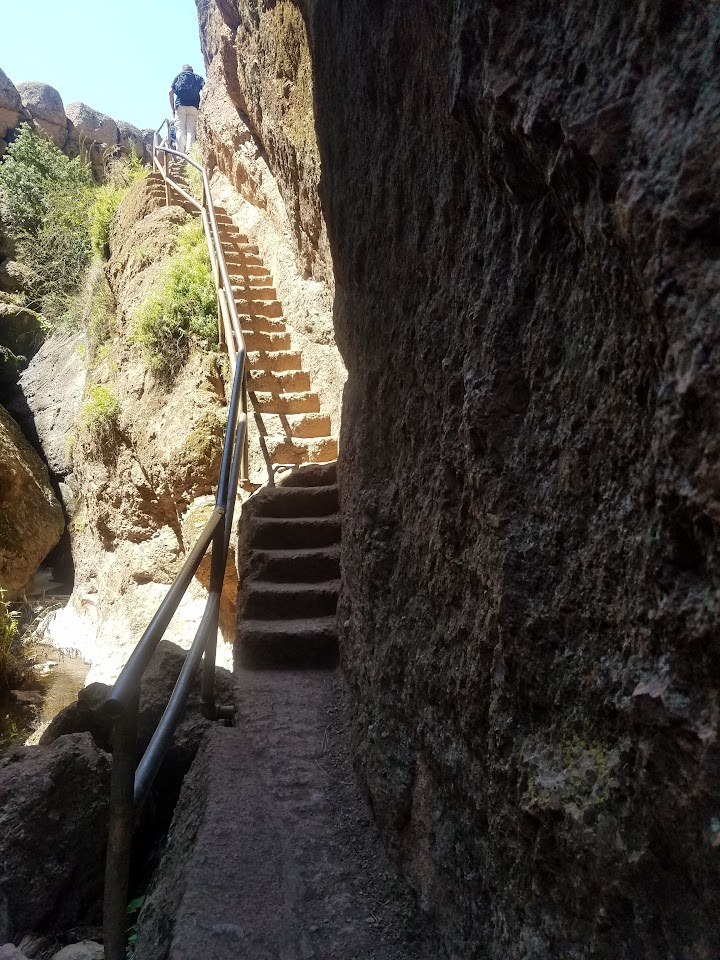
Amazing hiking trails for both novices and experienced hikers.
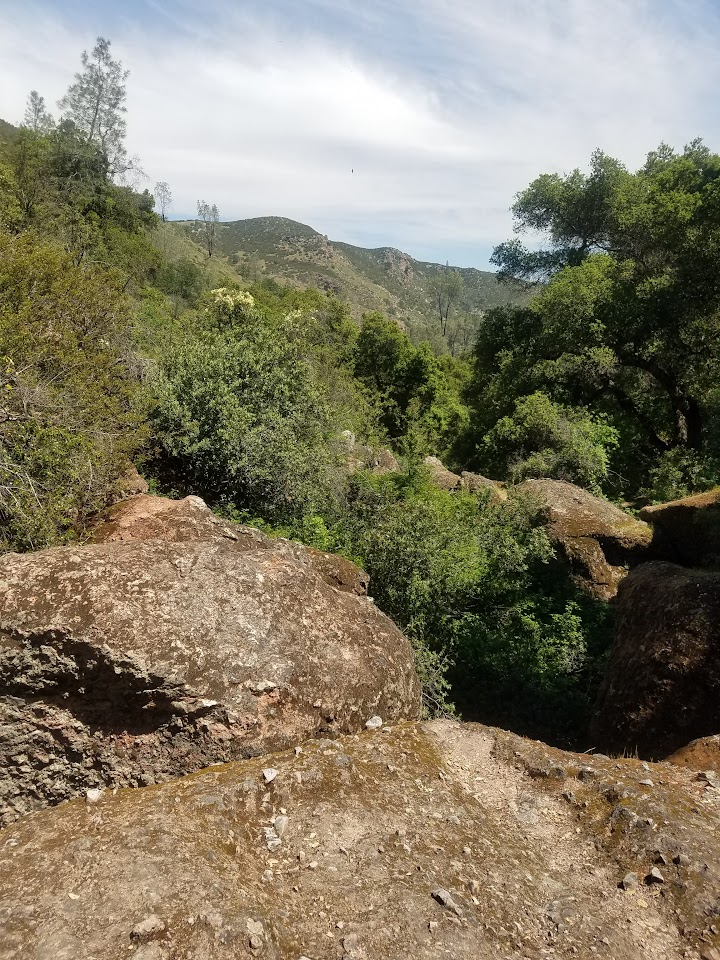
Overview of the Chaparral Community
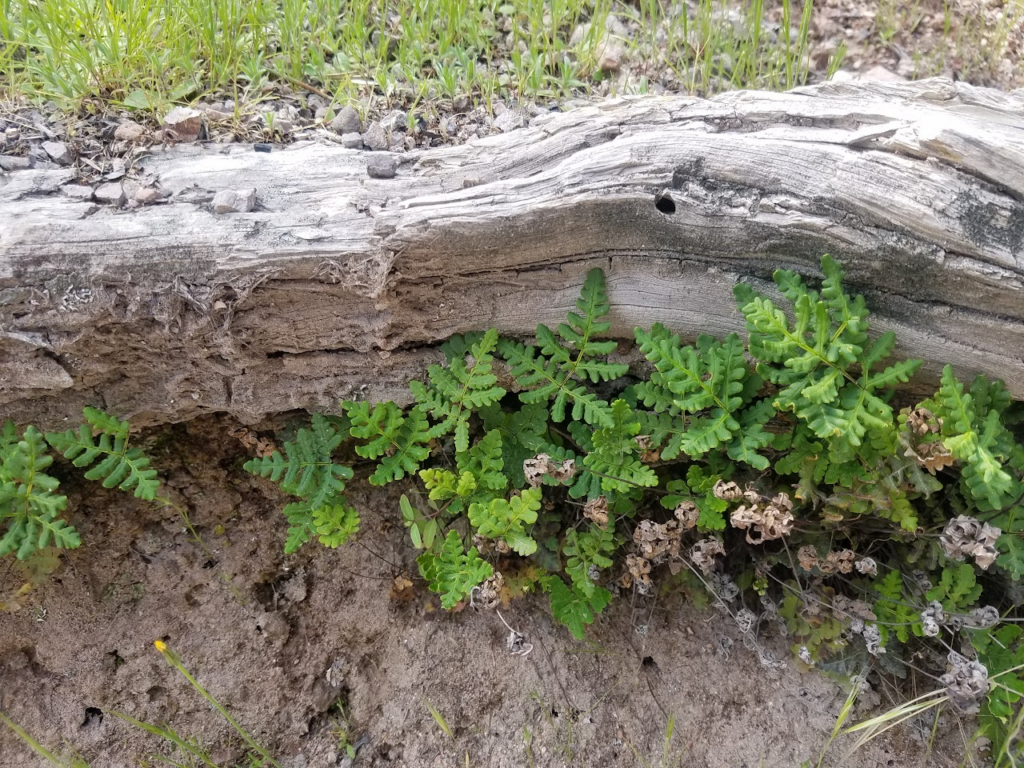
Chaparral is the most widespread plant community at Pinnacles National Park, covering approximately 82% of the park’s landscape. This resilient vegetation type thrives across various environments, from shallow to deep soils, north- or south-facing slopes, moist canyon bottoms, and exposed upper ridges. Despite the differences in location, all chaparral associations share similar traits, with variations in species composition and structure influenced by environmental factors.