
Sub-Total: $0.00
Christmas Tradition- Figgy Pudding. Fig History
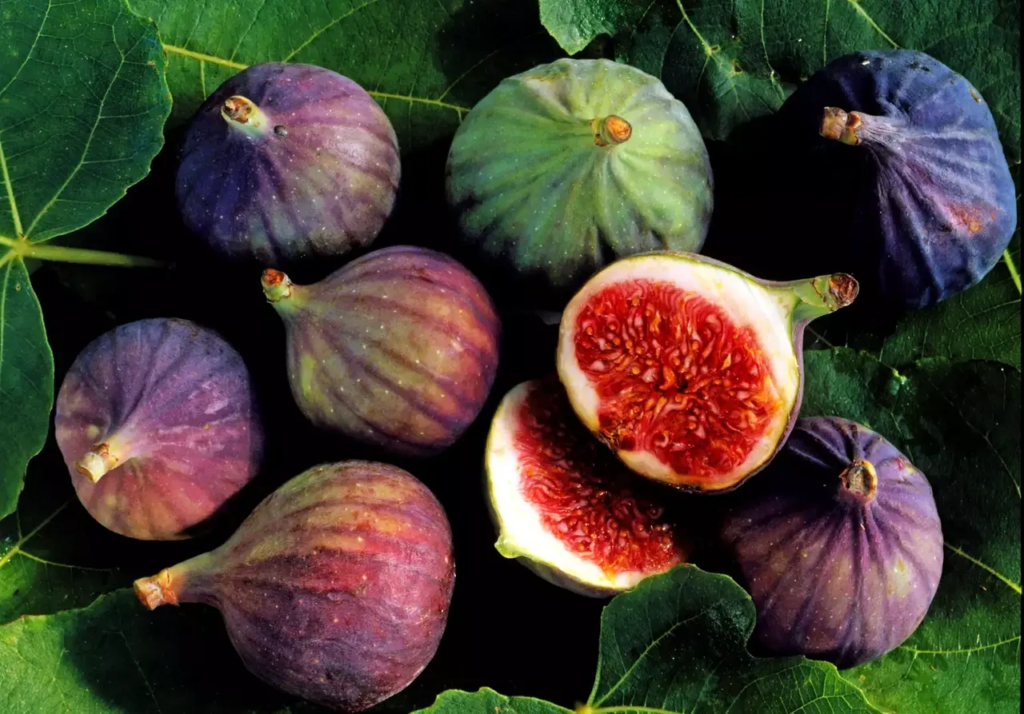
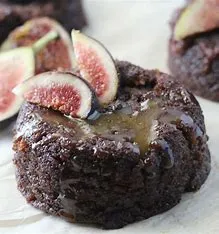
A thoroughly authentic Christmas Pudding recipe, also known as Plum Pudding or Figgy Pudding! It’s the perfect make-ahead dessert as the flavors only get better over time. A household favorite for centuries, no traditional Christmas is complete without a Christmas Pudding! Since this is not a recipe blog, I will take a twist and give information on figs.
Figs in History
Figs originated in northern Asia Minor and spread with the Greeks and the Romans throughout the Mediterranean region. Spanish Franciscan missionaries brought the fig to southern California in 1520, leading to the variety known as the Mission fig. Evidence shows the fig to be in abundance in both China and England by this time as well.
The fig tree appears repeatedly in both the Old and New Testaments of the Bible (some scholars believe the forbidden fruit picked by Eve was a fig rather than an apple), but it has been cultivated for much longer. Sumerian stone tablets dating back to 2500 B.C. record culinary use of figs, and remains of fig trees were found during excavations of Neolithic sites from 5000 B.C. Some historians consider it the first of the domesticated crops. The edible fig is one of the first plants that were cultivated by humans.
Figs in the Garden
The deciduous fig tree can live as long as 100 years and grow to 50 feet tall, though they more typically stay between 10 to 30 feet. The twisty branches spread wider than the tree height. Figs flourish in hot, dry climates and the fruit requires the all-day sun to ripen.
In simple terms, figs are technically not a fruit, they are inverted flowers. Fig trees don’t flower like apples and peaches. Their flowers bloom inside the pear-shaped pod, which later matures into the fruit we eat. Each flower then produces a single, one-seeded, hard-shelled fruit called achene, that’s what gives the fig the crunch we know, and the fig is made up of multiple achenes. So, when we eat a fig, we are actually eating multiple fruits.
But that’s not the end of the uniqueness that sets the fig apart.
Because fig flowers bloom internally, they need a special process for pollination. They cannot rely on the wind or bees to spread their pollen, that’s where the fig wasp comes in. The fig cannot survive without the fig wasp to spread its genetic material, and the fig wasp cannot live without the fig, because that’s where it lays its larva this relationship is known as mutualism.
The female fig wasp enters the male fig they don’t eat the male figs, by the way to lay its eggs. The male fig is shaped in a way to accommodate the laying of wasp eggs. The female wasp’s wings and antennae break off when entering the small passage in the fig so once it’s in, there is no way out. It’s up to the baby wasps to continue the life cycle. Male baby wasps are born without wings, because their sole purpose is to mate with the female offspring technically their sister and dig a tunnel out of the fig. It’s the female offspring that make the journey out, bringing pollen with them.
If a fig wasp enters a female fig accidentally the ones we eat instead of a male one, there is no room in the interior for it to reproduce. And it cannot escape, because its wings and antennae have broken off. So, the wasp dies inside, which is unfortunate but necessary because that’s how it delivers the pollen giving us the fruit we love.
Don’t worry, this doesn’t mean the crunch in the fig is a wasp carcass. The fig uses an enzyme known as ficin to break down the wasp into protein, though it doesn’t always break down the entire exoskeleton. So, yes, technically when you bite into a fig you are in fact eating fig wasps ― or what once was a fig wasp
Taxonomy Genus: Ficus Species: carica Family: Moraceae Size: Height: 10 ft. 0 in. – 30 ft. 0 in. Width: 10 ft. 0 in. – 30 ft. 0 in. Light: Full sun (6 or more hours of direct sunlight a day) Soil Texture: High Organic Matter Loam (Silt)Sand
Varieties
1. Black Mission Fig
The main draw of the Black Mission? You don’t have to worry about your climate. If it gets cold where you live, you can plant these Fig Trees in a pot and bring indoors during freezing temperatures.
Plus, its size is adaptable to your needs. You can pot and prune the plant to keep it more manageable and smaller, or you can plant it in your yard and watch it expand.
2. LSU Purple Fig
The LSU is known for being a hardy tree that delivers super-sweet fruit with little effort. Bred by the Louisiana State University College of Agriculture for superior disease resistance, it blends ease with amazing results.
And best of all, it produces fruit as early as the second year, with small yet succulent crops.
3. Chicago Cold Hardy Fig
No matter how cold it gets, the Chicago Hardy Fig comes through. The Chicago Fig can literally freeze over and still come back strong the following spring, producing bushels of plump, delicious figs you’ll love.
Add to that the deep purple hue of the fruit and a silhouette that responds well to pruning, and you have a stunning, functional tree that will enhance any planting location you choose.
#figgs #figgypudding
