
Sub-Total: $0.00
Creating Gravel Gardens for Low-Maintenance Beauty
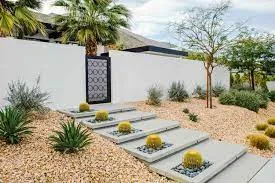
This gravel garden is alive with color, texture, and form (not to mention buzzing with pollinators, wildlife. all while using much less water than traditional gardens.
With temperatures trending hotter and drier than ever before, gardeners are re-evaluating their plant choices, planting methods, and dependency on water to create thriving gardens. Gravel gardens tick all the boxes of a sustainable, low-water garden.
What exactly is a gravel garden? In a nutshell, it’s a low-water, low-maintenance garden bed primarily consisting of gravel instead of soil, with carefully chosen plants throughout. Gravel of a uniform size (ranging from pea gravel down to 1/4 inch) is evenly spread over the existing ground to a depth of 4 to 6 inches. The root-ball base of a 3- to 4.5-inch potted plant is then placed near the top of the ground and surrounded with gravel. Placing the root-ball base near the ground encourages the roots to grow deep and down, resulting in a much hardier plant that can withstand drought.
The advantages of a gravel garden
As drought and hose bans become more common, gardeners everywhere may have to embrace the practice of xeroscaping (a style of landscaping which reduces the need for irrigation), which is common on the west coast of the USA. But you don’t necessarily need the sunny climate of LA to create a thriving gravel garden. A well-constructed gravel garden will have good drainage.
The advantages of a gravel garden are many. Where a lawn turns yellow and parched without water, a gravel garden can flourish, providing year-round interest. And where astroturf heats up, gravel reflects the sun and moderates the soil temperature.

More benefits of a gravel garden:
- No soil = no weeds! Gravel is an effective barrier to germinating weed seeds, and the few that do find their way into your garden are often isolated in the soil near the plant’s crown.
- Less fertilizer. Plants rarely (if ever) need fertilizing as the goal is to encourage slow growth with deep roots. The established plant will ultimately be more compact, requiring less staking and dividing.
- Less maintenance. Less water, less weeding, and less dividing means up to 75% less maintenance than typical garden beds.
- Prevent root rot. Gravel is naturally fast draining, helping prevent wet roots (and the dreaded root rot) during winter months.
Gravel garden ideas: Choosing the right gravel.

Size it right
When it comes to choosing the right gravel for your gravel garden, size matters. As Beth Chatto discovers in The Dry Garden, too small and it gets stuck in your shoes, too big and it becomes impossible to walk on or roll a wheelbarrow over.
It is recommended choosing gravel that is a maximum of 10mm in size. The finer your gravel, the more it will stray from your chosen area, so if you prefer small over chunky consider using a gravel edging. Get creative with reclaimed wood (old fence panels or pallet wood works well), pebbles, or even upturned wine bottles – depending on what you have to hand or try one of these garden edging ideas.
Your top layer of gravel should be around four inches deep. This will help keep soggy roots at bay and generally, the rule of thumb is to use a ton of gravel for every 12 square meters.
Is gravel sustainable?
Gravel is often touted as a good idea for the eco-friendly gardener. It doesn’t exacerbate flooding or contribute to the urban heat island effect like paving or concrete. It’s also better for wildlife than laying a plastic sheet of habitat-wrecking, fossil fuel-based astro turf.
So, work with what you have rather than trying to alter your soil type to suit a gravel garden. If you’ve got lots of shade and heavy soil you might want to consider a woodland garden style instead.
Location, location, location
There’s also the matter of how gravel is excavated. For gravel with rock-hard eco credentials, use suppliers certified with the Ethical Stone Register and buy from a trusted local source.
Avoid gravel which has been dredged from the seabed, where it contributes to coastal erosion and destruction of marine life. Instead, opt for recycled varieties like the crushed concrete. These are usually made from a mixture of construction materials, including crushed concrete, brick and reclaimed gravel.
Alternatively, recycled slate chippings can add sophistication to your plot while making use of a byproduct of the roofing slate industry. Pea gravel tends to be softer underfoot so more child and pet-friendly.
Should you opt for a gravel membrane or not?
A lot of advice you’ll read on how to make a gravel garden will suggest using a weed suppressant membrane. If you go down this route, choose a permeable matting. Plastic-free alternatives available include Ecotex MulchMat and the cornstarch-based Mulch Organic.
But, do you really need membrane under gravel? Perhaps not, People who used a membrane on one side of their gravel garden and left the other half membrane-free. The result: the side without the membrane had more vigorous growth. Plus, without the matting, you get a more natural-looking, freestyle garden with self-seeders. So, depends on your area and choice.
If weeding and the desire for low Maintenance appeals to you, investigate this option for your yard.
