
Sub-Total: $0.00
Dandelions- Evil or Good?
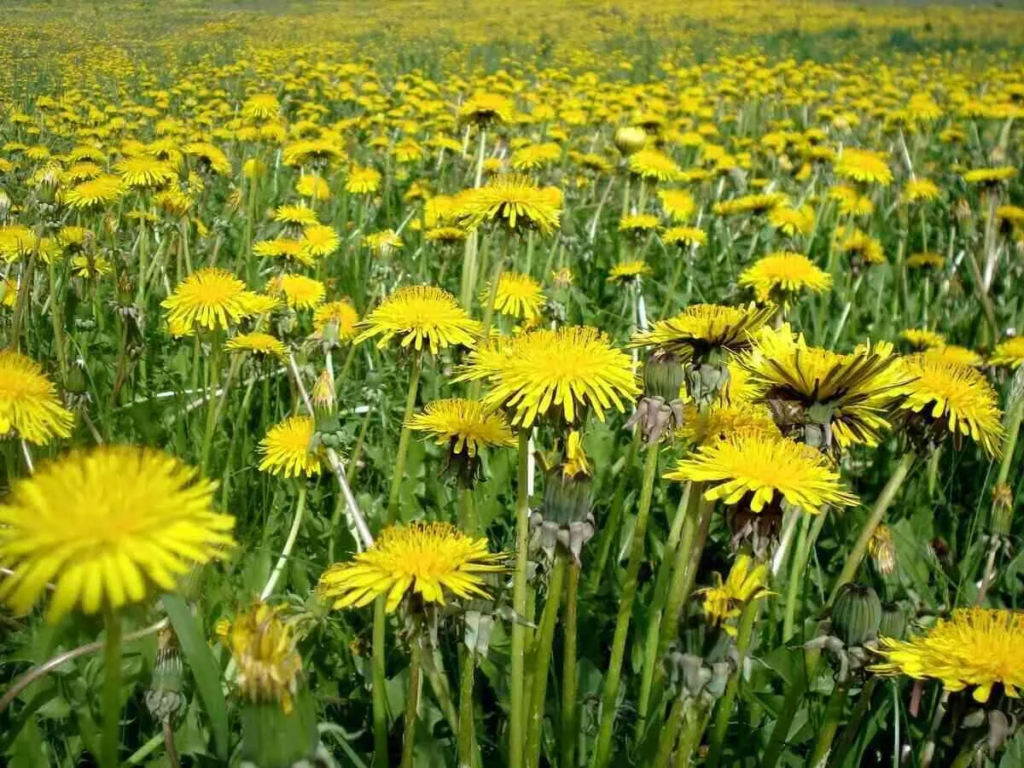
Most people turn their noses up at the swaths of yellow puffs that show up in the early springtime. To many, dandelions are intruders, weeds that ruin a perfect lawn, and an eyesore. To Ralph Waldo Emerson: “A weed is but a plant whose virtues remain undiscovered.”
I found this amazing Bob Villa Article and learned so much.
Dandelion Fun Facts:
1. The name: It derives from French, “Dents-de-lions,” which is in turn taken from the Latin “dens leans,” or lion’s tooth.
2. The white puffy part is called the pappus.
3. More than 99% of dandelion seeds land within 10 yards of the parent plant, but the right wind can carry a seed up to 60 miles.
4. It is native to Europe and probably came to the United States on the Mayflower in a medicine kit.
5. In the 1800s, girls would blow on dandelions to see whether the person they loved, loved them in return. All the seeds blown off in one breath meant the feelings were mutual.
6. In the British Isles, it is often called the “piss-a-bed” or “pish-th’bed.” In France, it’s “pissenlit.” All the nicknames are based on its diuretic properties, which increase urination — and the odds of a wet bed.
They’re food for beneficial bugs.

Despite what many people think, dandelions aren’t the first and only flowers to bloom in the spring. Crocus, hyacinth, and muscari, for instance, are other early spring flowers that serve as a source of food for pollinators. That said, because they spread so readily, dandelions are a welcome food source in areas where pollen and nectar are scarce.
Ideally, bees and other pollinators should have access to various flowers on which to feed because dandelions aren’t a high-quality food source. Planting a variety of native perennials with different bloom times ensures that pollinators have consistent access to food.
At the very least, it’s important to avoid spraying dandelions with pesticides and herbicides since this expose’s hungry insects to harmful toxins and can even kill sensitive bees.
They help improve the soil.
Dandelions aren’t just a potential food source for beneficial insects. They also help improve the soil. Their long taproots are a reason gardeners find dandelions so hard to eradicate. However, the lengthy roots are also excellent soil aerators that help loosen up compacted soil. Just the presence of dandelions also alerts you to potential problems with your soil, such as infertility.
They’re edible.
Yes, you can eat dandelions! Keep them around, harvest them, and take advantage of their numerous medicinal qualities. People commonly use the roots to brew tea, but the plant is edible from taproot to top. The nutritious weeds contain high amounts of vitamin A, C, and K, along with several minerals such as calcium.
Studies suggest that dandelions, apart from being full of good-for-you vitamins and minerals, also might help fight inflammation in the body, control blood sugar, and regulate cholesterol and blood pressure. Some people drink dandelion tea to help settle an upset stomach and treat constipation.
Careful, though. If you’re prone to springtime pollen allergies, you might want to handle dandelions with gloves to avoid a potential skin rash. Additionally, it’s best to talk to your doctor before taking any kind of supplement, homegrown dandelions included.
There are many benefits of consuming dandelion root:

- Supports liver health and function
- Fights bacteria such as staph infections
- Neutralizes free radicals
- Reduces bad cholesterol and increases HDL cholesterol
- Potential to kill certain cancer cells
- Protects bones
- Helps brain function
- Balances metabolism
- Anti-inflammatory qualities
- Reduces heartburn
- Regulates blood sugar levels
If you prefer to DIY your dandelion tea with the dandelions freshly picked from your own front yard, here’s how:
How to make dandelion root tea:
- Gather a few dandelion roots from your pesticide-free lawn and chop up the root.
- Boil a cup of water.
- Steep a tablespoon of the roots in about five ounces of boiling water for 30 minutes.
- If you want to make more of a coffee-like beverage, chop up the root and dry it out by roasting it in the oven for about two hours at 300 F. Then steep it for 10 minutes in hot water.
Caution: The tea is also a mild laxative, which will help alleviate constipation
There are many benefits of consuming dandelion leaves:

- Reduces high cholesterol
- Promotes eye health
- Decreases water weight (diuretic effect)
- Reduces bloating
- Promotes weight loss
- Protects against liver disease from oxidative stress
- Improves the immune system
Dandelion greens have an earthy, nutty flavor to them that is similar to endive or radicchio. To eat them, you can add them to salads, sauté them, or even chop them up and mix them in salsa or pesto sauce.
You can buy them already mixed into salad greens or as a bunch that you can add to a favorite salad recipe. They are available at health food stores, many grocery store chains, or online.
There are many benefits of consuming dandelion flower:

Yes, even the dandelion flower is good for you! While the flowers haven’t been researched as extensively as the roots and leaves, here are some of the benefits that have been found:
- Stomach cramp relief
- Alleviates depression
- Pain relief from backaches, headaches, etc.
- Improved vision, including night vision
- Rich in antioxidants
There are all kinds of creative ways to eat dandelion flowers. A simple Google search reveals everything from dandelion flower cookies to dandelion blossom jelly. You can also dry them and steep them in water for a refreshing (and healthy) tea.
Precautions
Dandelions aren’t for everyone. Those who have allergic reactions to ragweed and related plants such as daisies, marigolds, and chrysanthemums are more likely to be allergic to dandelions, as well.
Note: Before consuming dandelions, it’s best to consult your healthcare provider. The effects of dandelion on your body could be very beneficial or lead to adverse side effects, so it’s better to be cautious. The information in this article is not designed to replace medical advice.
Benefits of Dandelions in Your Yard
Yes, the health benefits of dandelions are numerous, but they are also great for your yard. According to garden expert Mary Nielsen of Buchanan’s Native Plants in Houston, dandelions are super beneficial. Here’s why:
They attract beneficial insects and pollinators: “Dandelions are very good for the beneficial insects and pollinators in your yard,” she said. While they are not native, they’re now a naturalized plant throughout the entire country.

They’ve found a niche in nature — because they’re one of the first plants to flower in spring, they play an important role as an early source of pollen and nectar for bees and other pollinating insects.
They bring nutrients to the surface of the soil: “And they have tap roots that accumulate nutrients deep down in the soil and bring them to the surface, which helps the other plants in your yard,” Nielsen notes.
They aerate the soil: Not only do they help surrounding plants get much-needed nutrients, but they also aerate the soil. “You can leave dandelions in an area of poor soil, and they will actually improve it,” said Nielsen.
Dandelion’s Beneficial History
Unfortunately, when most people visit stores like Buchanan’s about dandelions, they are looking for ways to get rid of them. But this wasn’t always the case.
Dandelions have been around since ancient times. They grow all over the world (and have for thousands of years) and were used by the Chinese, Romans, and Greeks for medicinal purposes. It is believed that the dandelion was first brought to the U.S. by the Pilgrims on the Mayflower. It wasn’t by accident but because of its medicinal purposes.
Yes, up until recent times, dandelions were a beloved flower and deeply rooted in Americans’ hearts and gardens.

What to Do with Dandelions in Your Yard
If you see dandelions in your lawn, don’t make a mad dash for the weed killer. You won’t be doing anyone a favor, especially not your yard.
Here are a few ways to deal with dandelions in your yard:
- Let them grow and die off naturally. This is very beneficial to your soil.
- To keep them tidy and more garden-like, cut their leaves back on a monthly basis and lay the trimmed leaves on top of the soil to decompose. When the plants die off, leave the roots intact. They’ll either come back the following year or decay and enrich your soil for other plants.
- If you must get rid of them, it’s best to do so naturally. And this requires digging. Dandelion taproots run long and deep. Once you’ve removed them, you’ll have a hole in your yard. In that hole, pour regular white vinegar to kill weed roots that were not extracted. Boiling water can also do the trick, or you can purchase a natural herbicide.
After all the work it takes to remove the dandelions, don’t forget that you can actually use them for health purposes — unless you use pesticides on your lawn. But if you don’t, cut up the leaves to use in salads and make tea from the nutritious roots. You may just find that these lovely little flowers aren’t so bad after all!
#dandelions
