
Sub-Total: $0.00
Enhancing Your Garden with Edimentals
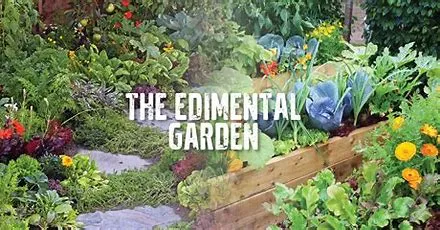
No dictionary has a definition for this word. The word edimental was coined by horticulturalist Stephen Barstow about 10 years ago and has now started to gain in popular use rapidly. Edimental is a portmanteau word to describe plants that have edible (Edi-) and ornamental (-mental) qualities. An edimental is a plant that grows for more than a year and can be a perennial, shrub, or tree. Some hardy annuals that self-seed and grow with little care can also be considered as edimentals.
Creating a planting scheme with edimentals is very useful if you want to grow some of your own produce without dedicating an area of your garden exclusively to food production. Benefits include:
- Lower maintenance. Edimental plants are often easier to care for than traditional annual vegetables, with fruiting times throughout the year rather than all at once.
- Hardier plants. Because edimentals are perennials, shrubs, or trees, their deeper roots make them much more hardy than annuals and better able to face drought or the occasional pest infestation.
- Kids love them! When sprinkled throughout the entire garden (versus in a dedicated vegetable bed), edimentals are a great way to draw kids out of the house and into the garden, encouraging them to forage while they wander.
Traditional food growing is more of a seasonal annual cycle, but with edimentals, once you’ve planted it or sown seeds, they are resilient and have longevity. One of the key ideas behind edimentals is that you can integrate them with other forms of planting, such as an herbaceous perennial border, rather than devoting a set amount of space or time to the growing of vegetables. The idea is that plants don’t just have one purpose: why should we keep perennials separate in the traditional long border and confine edible plants to a kitchen garden or allotment.
If you are starting a garden from scratch, you have a great opportunity to do your research, find some unusual plants and make your garden as edimental as possible.
Edimental Plants to Grow in Your Garden
There are a lot of edimental plants, and you may even have some in your garden already. Edimentals fall into several categories, according to their edible qualities:
- Edible Leaves
- Edible Roots (Tubers and Bulbs)
- Edible Fruit
- Edible Flowers
- Culinary Herbs
Here are 8 common garden edimental plants:
Nasturtium (Tropaeolum majus)

Nasturtium is found in many home gardens. This attractive plant requires little water and puts on a show of warm-colored flowers when grown in sunny areas. All parts of the nasturtium plant are edible. Nasturtium flowers are often used to decorate salads and also used in stir-fry dishes. The flower has a taste similar to watercress. The stems have a similar flavor and a texture akin to chives. While all parts of the plant have a slight peppery taste, the leaves are slightly more bitter.
Rosemary (Salvia rosmarinus)

Rosemary is a very fragrant plant, and its leaves are useful as a culinary herb. Rosemary pairs well with Roasted vegetables and meats, particularly lamb. Rosemary is an attractive plant that is easy to care for in the garden. In winter, blue flowers appear on the stems to add some color in a normally dormant period in the garden. Rosemary is one of the oldest known plants used as an edimental, dating back to the times of Ancient Roman Gardens.
Artichoke (Cynara cardunculus)

Globe Artichoke is an attractive pant with blue/green foliage and a striking, architectural form. The flower heads start off with an attractive blue thistle-like flower, which then grows into a fruit (Heart). Artichokes are used extensively in Mediterranean cuisine.
Citrus Trees

Citrus Trees and other small fruiting trees can make great trees for shading patios. Dwarf citrus trees can also be grown in containers, which is helpful if you live in a colder climate as they can be taken indoors for the Winter. The yellow/orange colored fruits of citrus trees can help break up the monotony of green leaves in your garden.
Hosta (Hosta spp.)

Hostas are a very popular ornamental plant that most people do not know is also edible. In fact, all parts of a Hosta plant are edible and are commonly cultivated as a food crop in Japan. In Spring, Hosta shoots (hostons) emerge from the ground and these can be harvested and eaten, with a taste and texture similar to Asparagus. The leaves of Hosta are also edible and taste similar to Spinach with older leaves tasting more bitter. Even the flowers are edible with a sweet taste that can be used sparingly in salads.
Fennel (Foeniculum vulgare)

Many cooks will be familiar with Fennel, which adds an anise flavor to recipes. Fennel is easy to grow in the garden and its tall stems can be used in mixed plantings to great effect. While most people use the bulbs of fennel for cooking, the leaves, stems and flowers can also be used in a variety of Mediterranean dishes. Fennel is a good plant to use in a butterfly garden.
Elderberry (Sambucus spp.)

Elderberries are a group of large shrubs, that can be pruned up to form a patio tree. The berries that they are named after can be used to make jams and wine. A word of warning: the berries are poisonous when raw and must be cooked before consumption in any form. Elderberry extract is also considered to have healing properties and can boost your immune system, although this has not been scientifically proven.
Hibiscus (Hibiscus rosa sinensis)

The flowers of Chinese Hibiscus are edible. I first discovered this with a Hibiscus in my garden, from which my dog would eat the spent flowers when she was a puppy. Hibiscus flowers are used in salads in Polynesian cuisine. Another type of Hibiscus (H. sabdariffa) is used to make teas and cold drinks, which are very popular in Central America and the Caribbean. Hibiscus infused drinks have been shown to help lower blood pressure for people with high blood pressure.
Precautions for Edimental Gardens
When planning an edimental garden, one should limit the use of pesticides as they can introduce toxins that make eating any garden produce a health risk. Ask nurseries if the plants have been sprayed with pesticides – most vegetable and herb plants that are sold for edible gardens will not be sprayed with harmful pesticides but some of the plants that are normally grown as ornamentals will be treated. If this is the case, you should wait until the following year to harvest any of these plants.
Think about how easy it is to forage edible plants by making space to allow access without disturbing other plants. This is especially important with fruiting plants as any unpicked fruit will fall to the ground and start rotting, which will attract rodents and fruit flies.
I hope this Blog enlightened you to a new gardening “buzz word” and it will advance your garden.
