
Sub-Total: $0.00
Plant Medicine and How We Got Here.
Medicine is vital and sometimes imperative for our health. Plants since early man have proven their benefit and usefulness to us. Some of these will come from unlikely sources. I want to share some details about a few you may not have already known about.
1. Aspirin (Salicylic Acid)

Aspirin is a popular treatment for pain, inflammation, and fever. It works by inhibiting an enzyme known as cyclooxygenase (COX).
The compound was first synthesized in 1890 by a man named Felix Hoffmann.
Aspirin is modelled after the naturally occurring polyphenol salicylic acid — a compound found in a handful of plants including Salix alba (white willow), Spirea spp. (wintergreens), and Betula spp. (birch).
All of these plants were traditionally used for conditions involving injury, pain, and inflammation.
2. Quinine (Qualaquin)

Quinine is used as a malaria and babesiosis medication. It remains one of the primary treatments for malaria to this day under the brand name Quinalaquin, and the generic name Quinine.
It’s an alkaloid taken from the Cinchona calisaya tree from South America. It was a popular herb used by the local Quechua tribes of the Amazon rainforest, which eventually caught the attention of the Jesuits who brought it to Europe.
Although the drug can be synthesized, the most economically viable method of production is to extract it from the cinchona tree. Unfortunately, there are many side effects to this medication, including permanent kidney damage.
3. Opiates (Oxycontin, Morphine, Codeine)

Opiates are a class of chemicals that target the opioid receptors in the human body that regulate pain and temperature control.
Most opiates are classified as benzylisoquinoline alkaloids which can be either naturally occurring, or synthetic.
These alkaloids were discovered from the Opium poppy (Papaveraceae somniferum), starting with codeine and morphine. In 1874, a chemist named C.R Alder Wright synthesized a similar compound called diamorphine, more commonly referred to as heroin.
For the first 23 years of this discovery, nothing was done.
It wasn’t until Felix Hoffmann (the creator of aspirin), re-synthesized it that it caught the attention of Bayer Pharmaceuticals, where it was commercialized as a pain management drug.
4. Myriocin

Myriocin (aka ISP-1 or thermozymocidin), is an antibiotic and immunosuppressant derived from the sterile (non-spore-producing) fungus Mycelia sterilia and entomopathogenic (bug-eating) fungus Isaria sinclairii.
Scientists modified myriocin to produce a compound known as fingolimod (compound FTY720), which is used to treat autoimmune conditions like multiple sclerosis.
5. Penicillin

Penicillin was the very first class of antibiotics ever discovered. It’s made from a mold known as Penicillium chrysogenum. It was known for years that this mold was able to kill off bacteria, including Streptococcus and Staphylococcus strains that were responsible for substantial loss of human life around that time. A Scottish scientist named Alexander Fleming finally isolated the active constituent in 1928.
Unfortunately, Alexander was a poor communicator, and couldn’t attract any serious attention from the media or his peers on his finding. It wasn’t until 1940 that penicillin was mass produced and incorporated into conventional medicine.
6. Digoxin
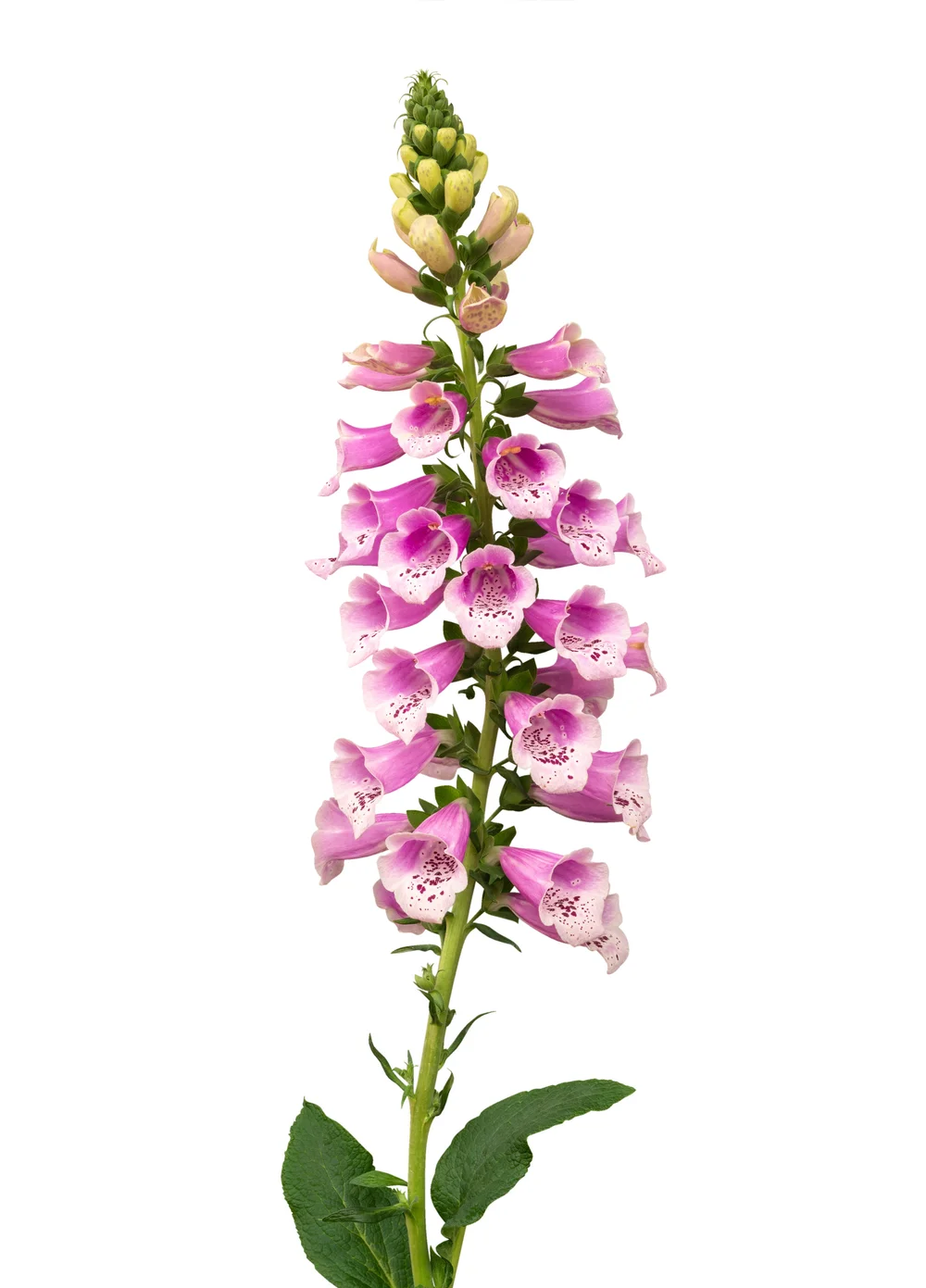
Digoxin is a heart medication used for heart failure, and cardiac arrhythmias (such as atrial flutter, or atrial fibrillation). It was isolated from the foxglove plant (Digitalis lanata) in 1930, however, the first mention of foxglove derivatives for cardiac related conditions goes all the way back to 1785. It was used to treat a condition known as dropsy, which is an accumulation of fluid under the skin, often as a result of chronic heart failure.
7. Paclitaxel (Taxol)
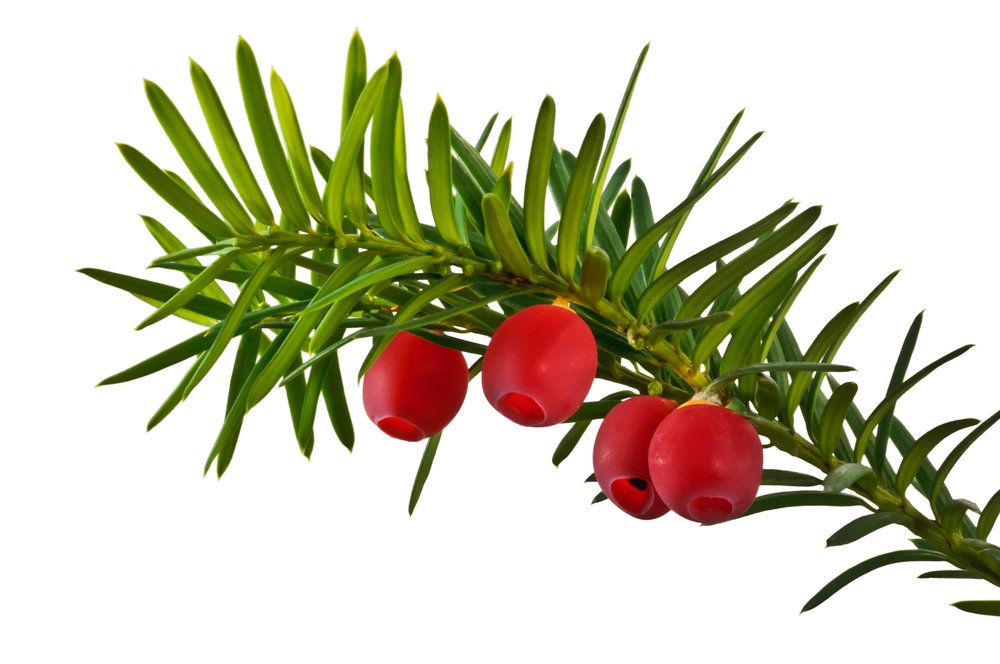
Paclitaxel is a chemotherapeutic agent derived from the bark of the Pacific Yew (Taxus brevifolia).When making the medicine, the yew tree was killed. As demand for the drug increased, the drug became involved in an ecological controversy. The need for the medication was scrutinised in light of the extensive damage it was causing to yew populations in North America. Researchers began seeking more sustainable ways to obtain this compound.
The drug is now made using semisynthetic methods obtained from liquid plant cultures. Although the plant tissue is still needed to make the medicine, it poses no threat to wild yew populations because manufactures now rely on sterile lab-grown cultures of the plant.
8. Vincristine & Vinblastine
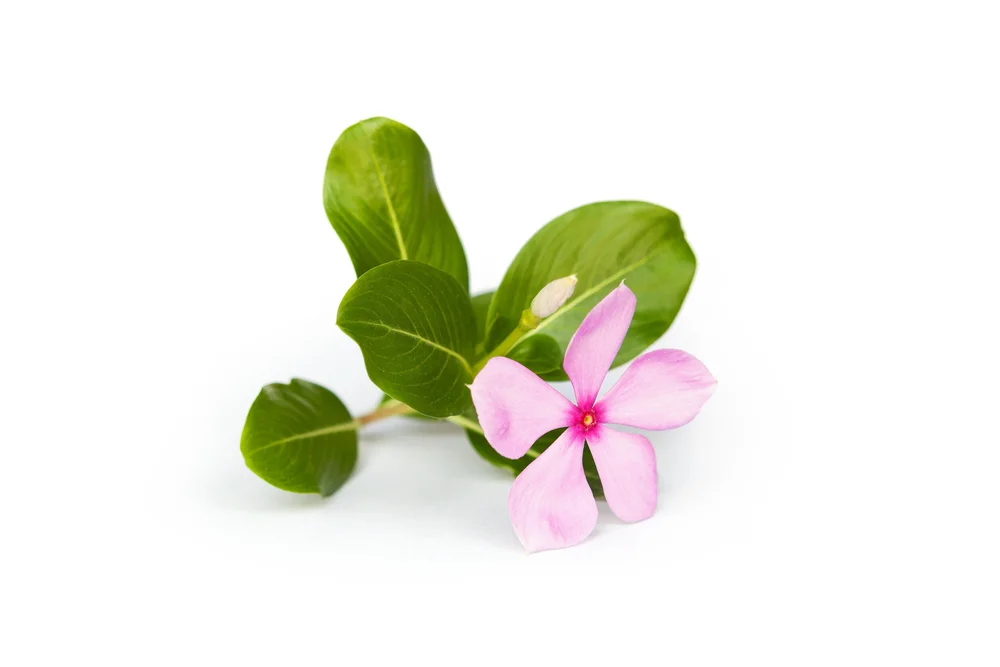
Vincristine and vinblastine are alkaloids taken from the Madagascar periwinkle plant (Catharanthus roseus).
Both are intravenous chemotherapeutic agents used for cancers like Hodgkin’s disease and neuroblastoma. Vinblastine was isolated first in 1958, with vincristine to follow in 1961.
09. Ephedra

The plant ephedra has long been used in Asian medicine. Ephedra sinica, also called ma huang, is a plant native to Asia, though it also grows in other areas around the world. It’s been used in Chinese medicine for thousands of years
While the plant contains multiple chemical compounds, the major effects of ephedra are likely caused by the molecule ephedrine
Ephedrine, one of the main components in ephedra, can boost metabolism and cause weight loss — especially in combination with caffeine.
Still, due to safety concerns, dietary supplements containing ephedrine — but not necessarily other compounds in ephedra — are currently banned in the United States and elsewhere.
10. Podophyllum Peltatum

The Native Americans have recorded using the plant Podophyllum peltatum as a purgative, antiparasitic, and cathartic hundreds of years before its usefulness was officially recognized. Interestingly, the Penobscot people of Maine even appeared to be using it to treat “cancer.” The Iroquois additionally used it to treat snakebites and as a suicide agent. Despite this, the medical use for P. peltatum was not official in the United States until 1820 and not until 1861 in Europe.
Hartmann Stahelin was a Swiss pharmacologist who had made large contributions to the cancer therapy field. He had a particular proclivity for biomedical sciences and was recruited to lead the pharmacology department in Basel in hopes of researching cancer and immunology in 1955.
Once in Basel, he led the discovery of various antitumor agents from P. peltatum, also known as mayapple. Initially considered by chemists to be “dirt,” Stahelin noticed that a particular extract from the Podophyllum plant had interesting properties. After purifying this compound, it was found to be a new class of antitumor medication.
Named etoposide, the medication works by stopping the tumor cells’ ability to divide. It blocks a specific enzyme that cells need in order to replicate. Therefore, rapidly dividing cells such as cancer cells are heavily affected. Currently, etoposide is used to treat various cancers, especially that of the lung, and can be thanked for saving many lives.
While I do not support self-testing with these plants for safety reasons, it sure is nice to know where some of our medicines came from.
