
Sub-Total: $0.00
Gardening for Your Health
In this blog I want to focus on the actual scientific data that shows that gardening can actually help your physical body be healthier.
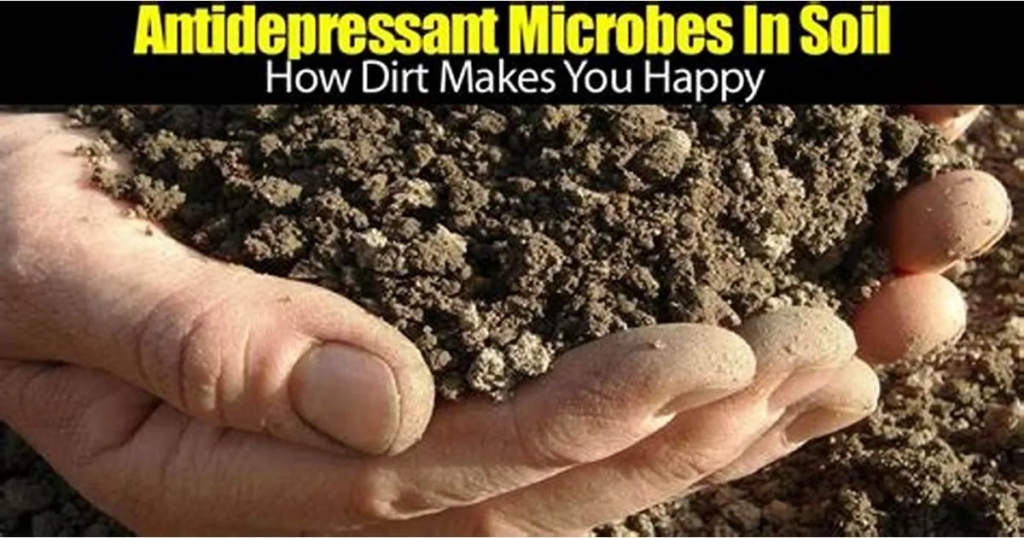
There are great benefits in growing healthy food to put into your body the actual act of gardening can actually cause your physically body to become healthier read on…
Did you know that there’s a natural antidepressant in soil? It’s true. Mycobacterium vaccae is the substance under study and has indeed been found to mirror the effect on neurons that drugs like Prozac provide. The bacterium is found in soil and may stimulate serotonin production, which makes you relaxed and happier.
Soil microbes have been found to have similar effects on the brain and are without side effects and chemical dependency potential. Learn how to harness the natural antidepressant in soil and make yourself happier and healthier. Natural remedies have been around for centuries, including cures for almost any physical ailment as well as mental and emotional afflictions. Ancient healers may not have known why something worked, but simply that it did. Modern scientists have unraveled the why of many medicinal plants and practices, but only recently are they finding remedies that were previously unknown and yet, still a part of the natural life cycle. Soil microbes and human health now have a positive link that has been studied and found to be verifiable.
Most avid gardeners will tell you that their landscape is their “happy place” and the actual physical act of gardening is a stress reducer and mood lifter. The fact that there is some science behind it adds additional credibility to these garden enthusiasts’ claims. The presence of a soil bacteria antidepressant is not a surprise to many of us who have experienced the phenomenon ourselves. Backing it up with science is fascinating, but not shocking, to the happy gardener.

Gardening is a mood booster
Studies in the United States and abroad have found that gardening improves your mood and increases your self-esteem. When people spend time in a garden, their anxiety levels drop and they feel less depressed.
In a multi-year study published in 2011Trusted Source, people with depression participated in a gardening intervention for 12 weeks. Afterward, researchers measured several aspects of their mental health, including depression symptoms, finding that all of them were significantly improved. And those improvements lasted for months after the intervention ended.

Gardening can help protect your memory as you get older
Doctors have also known for some time that exercise improves cognitive functioning in the brain. There’s some debate about whether gardening on its own is enough to affect cognitive skills like memory. But new evidence shows that gardening activities may spur growth in your brain’s memory-related nerves.
Researchers in Korea gave 20-minute gardening activities to people being treated for dementia in an inpatient facility. After the residents had raked and planted in vegetable gardens, researchers discovered increased amounts of some brain nerve growth factors associated with memory in both males and females.
In a 2014 research review, analysts found that horticultural therapy — using gardening to improve mental health — may be an effective treatment for people with dementia.
In fact, in the Netherlands and Norway, people with dementia often participate in groundbreaking Greencare programs, where they spend a large part of the day working on farms and in gardens.
Gardening builds strength, promotes sleep, and helps you maintain a healthy weight
The Centers for Disease Control and Prevention (CDC)Trusted Source says gardening is exercise. Activities like raking and cutting grass might fall under the category of light to moderate exercise, while shoveling, digging, and chopping wood might be considered vigorous exercise.
Either way, working in a garden uses every major muscle group in the body. This fact won’t surprise anyone who’s woken up sore after a day of yardwork.
Studies have found that the physical exertion of working in a garden may help offset both age-related weight gainTrusted Source and childhood obesityTrusted Source. And researchers at the University of Pennsylvania reported that people who garden are more likely to get a solid 7 hours of sleep at night.

Outdoor gardening can help your body fight disease
You’re more like a plant than you may realize. Your body is capable of photosynthesis — the process where plants make their own food using sunlight.
Your skin uses sunlight to make one of the nutrients you need: vitamin D. ResearchersTrusted Source estimate that a half hour in the sun can produce between 8,000 and 50,000 international units (IU) of vitamin D in your body, depending on how much your clothes cover and the color of your skin.
So, the bottom line is to inspire you to go out and garden. It is my happy place, literally!
