
Sub-Total: $0.00
The Red Yucca Adventure-
Come along for the next year, as I undertake to grow a Hesperaloe parviflora, also known as red yucca from seed.
Phonetic Spelling hes-per-AL-oh par-vi-FLO-ra
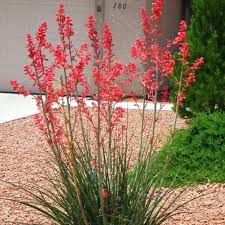
Red Yucca is a member of the century plant family and is native to the deserts of Texas and northeastern Mexico. Its dark green rosette of long, thin leaves rising fountain-like from the base provides an unusual sculptural accent, its long spikes of pink to red to coral bell-shaped flowers last from May through October, and it is exceedingly tough, tolerating extreme heat and cold This plant can tolerate temperatures down to zero, and likes rocky mountainsides and needing no attention or supplemental irrigation once established, although many people remove the dried flower stalks in the fall. Unlike yucca, the leaves are not spine-tipped and have fibrous threads along the edges.
The Red yucca (which is not a yucca) thrives in hot, dry desert conditions and is easily grown in well-drained sand, loam, caliche, and limestone soils in full sun. Superior soil drainage is essential to growing this plant. It is heat and drought tolerant and is a favorite of hummingbirds with its red, tubular flowers.
In cooler winter climates, flowering occurs during the summer into fall but in warm winter climates, flowering will occur nearly year-round.
Use this plant in rock gardens and desert gardens. It can also be planted in large containers.
Problems: Fungal root rots in damp, heavy soils. Potential for scale and aphids. Deer will browse the plant.
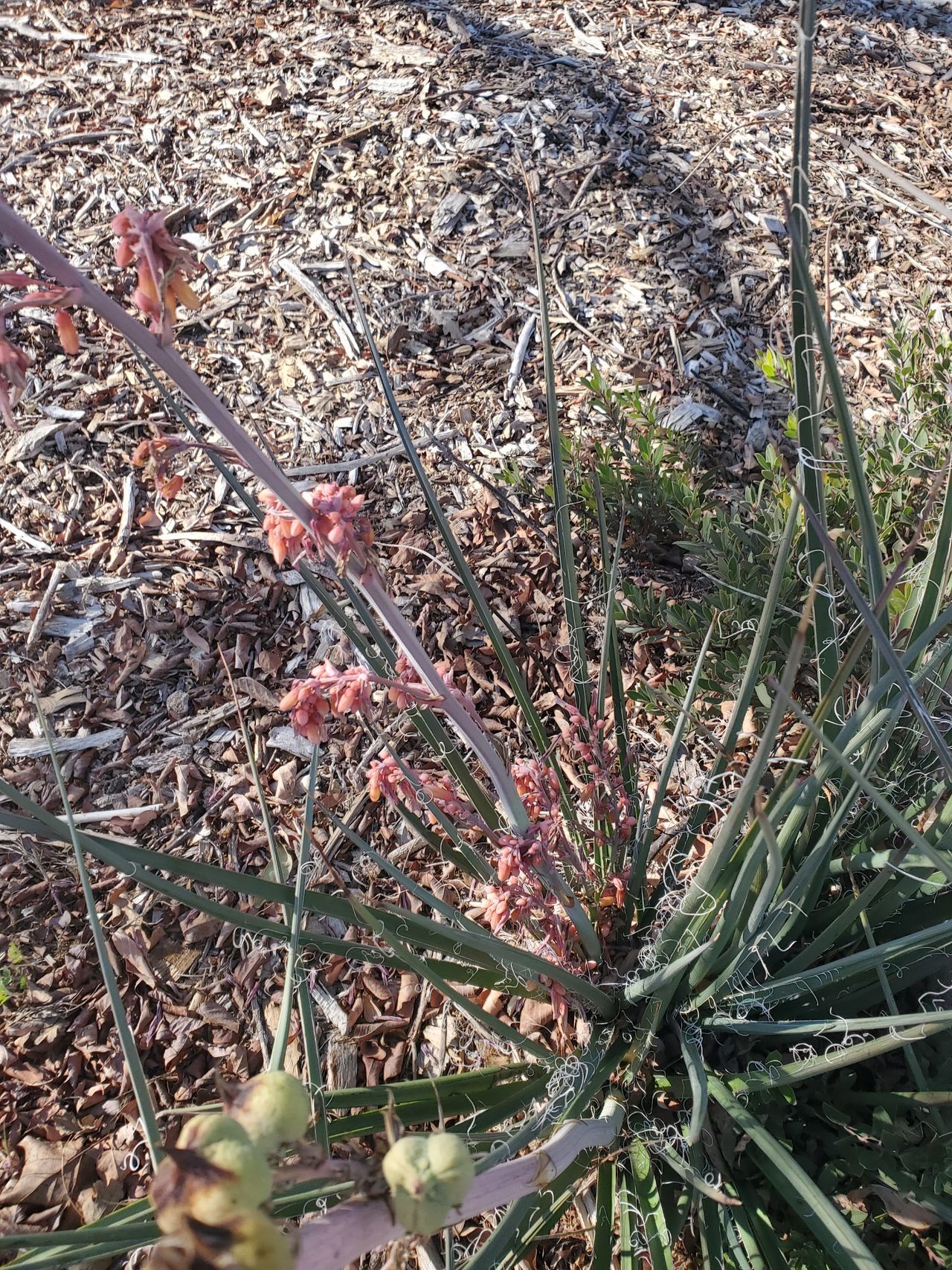
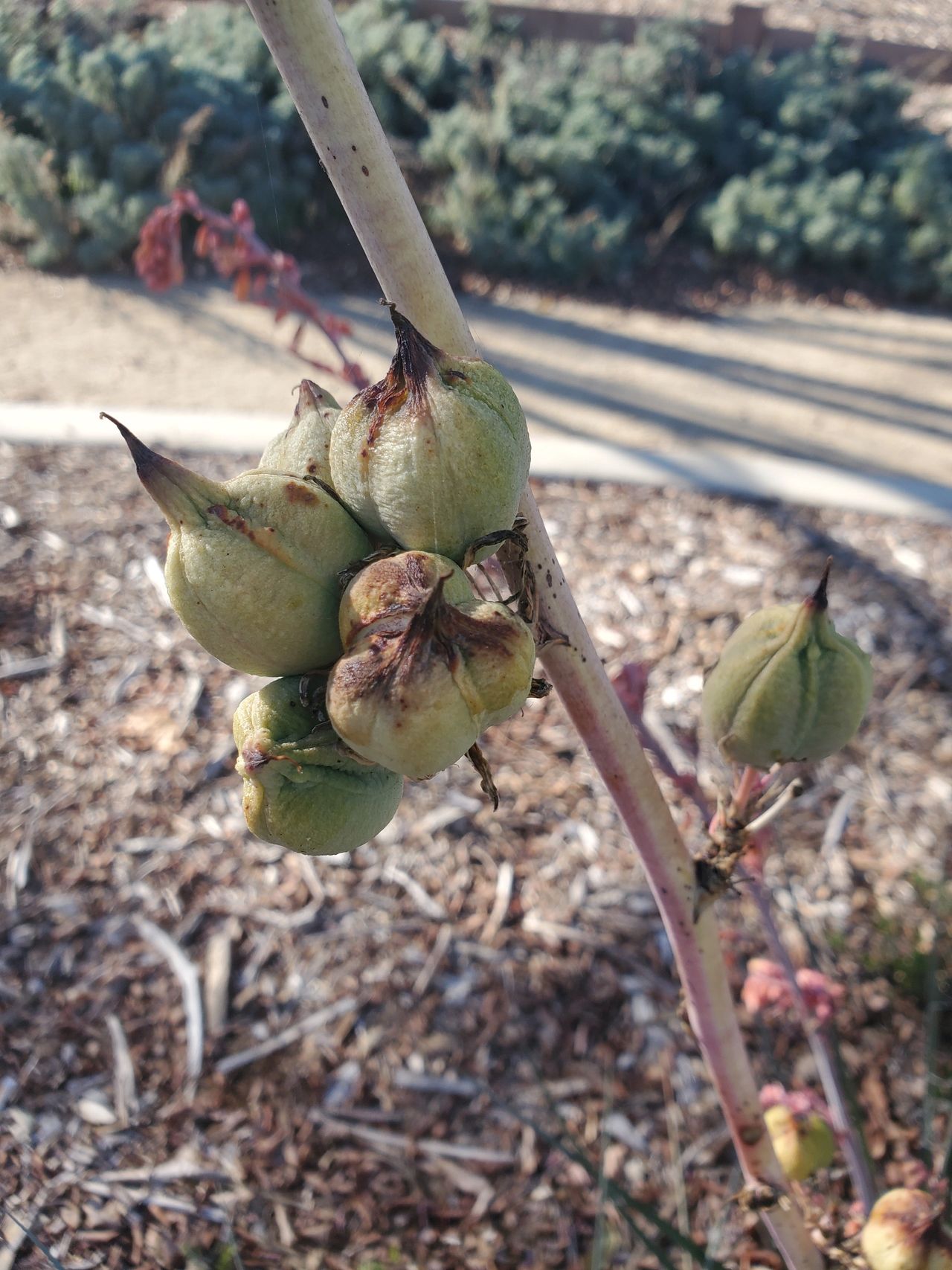
This sad little red yucca plant was found in November in a county park near my home. It is on the small side as it was just planted earlier in the year. It had a few blooms on it, but to my excitement and delight, it had seed pods!
The fruits ripen as the season progresses, drying out and splitting along the segments to reveal the small, black, half-moon seeds inside. Gather seeds only from dry, open seed pods and not from the green fruit because underripe seeds will not germinate.
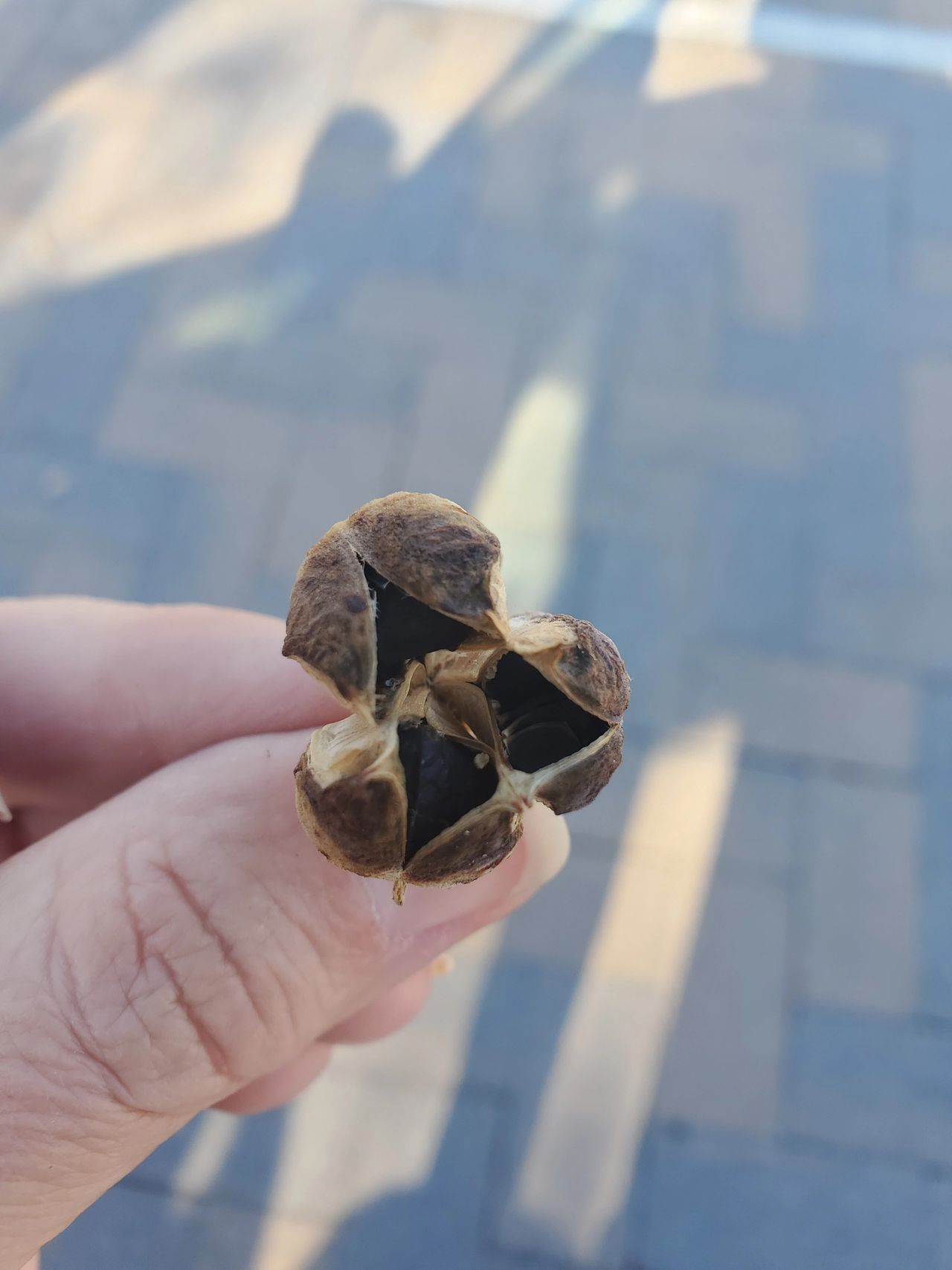
one or two pods as soon as they ripen and split open. Break open the pods and shake out the seeds. Pick through the seeds and discard any that look underripe or any with obvious signs of damage. It is best to sow red yucca seeds immediately, but they can also be stored in a cool, dry place for later sowing.
-0002.jpg/:/cr=t:0%25,l:0%25,w:100%25,h:100%25/rs=w:1280)
The seeds are rather large for the size of the plant and seed pod. I was rather surprised by how many seeds came out of the pod. It reminded me of a Hollyhock seed pod. The seeds in the picture to the right came from one pod
I will post the next blog with pictures and dates of seed trays and their progress, but for those people who have seeds and want info on the next steps keep reading.
Seed Propagation
Red yucca seeds require very little attention during the germination process, although the process can be lengthy and can take several months. Start the seeds in individual 4-inch-deep pots with drainage holes at the base. Arizona Cooperative Extension recommends using a fast-draining soil mixture of half perlite or pumice and half compost for succulent seeds. Moisten the soil mixture and fill the pots to within 1 inch of the top. Sow two red yucca seeds in each pot, pressing them onto the surface without covering or watering them.
The Lady Bird Johnson Wildflower Center recommends that potted red yucca seeds be placed outdoors in a cold frame for the winter months. Some of the seeds will sprout soon after sowing, and others may take several months.
Mist the seeds every week to keep them moist but don’t make the growing mixture soggy. Grow them in their original container for roughly one year. Gradually introduce them to outdoor conditions during their first year and then transplant them into 1-gallon nursery pots or into the garden. Seed-grown plants can take two to three years to reach blooming size, warns High Country Gardens.
Growing Red Yucca Plants
According to Missouri Botanical Garden, red yucca plants will resist heat, drought, and urban growing conditions as long as they have fast-draining soil and plenty of sunshine. Mature red yuccas will reach a height of 3 to 5 feet with a 4- to 6-foot spread, so choose a growing location that is large enough to accommodate its mature size. Transplant the seed-grown plants into the garden in spring. Make sure they’re planted at the same depth as they were in the pot.
Red yuccas require very little care once established in the garden, but they do need regular watering for their first summer in the ground to help them stay hydrated while they establish new roots. Provide 1 inch of water each week. Make sure the soil dries out between waterings. Red yucca is seldom troubled by insects or other pests, but deer will feast on their foliage if given the chance, so grow them in a fenced-in area if possible.
#yucca
