Sub-Total: $0.00
From Dry Lands to Fertile Fields: An Early Irrigation Innovator’s Story
One of my favorite research topics is early gardening and farming practices. This project looks at a person who helped improve irrigation methods. The information comes from Wikipedia and explains how new ways of using water helped early farmers grow crops more successfully.
Read on to understand how one pioneer changed the way we irrigate our fields and helped America prepare for water conservation
Harriet Williams Russell Strong – Wikipedia
Childhood and family background
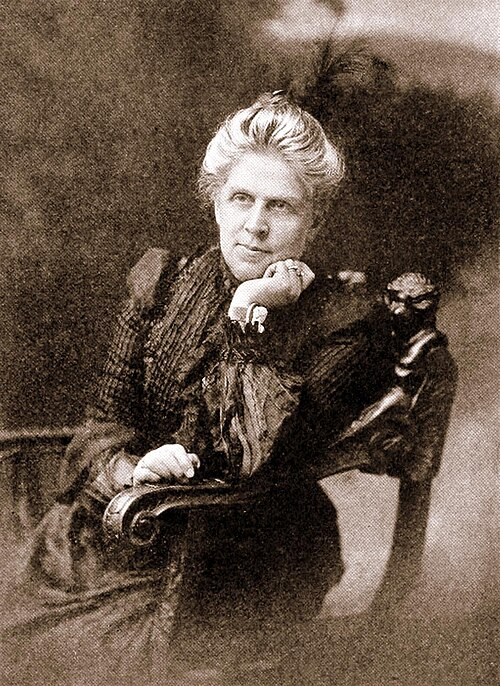
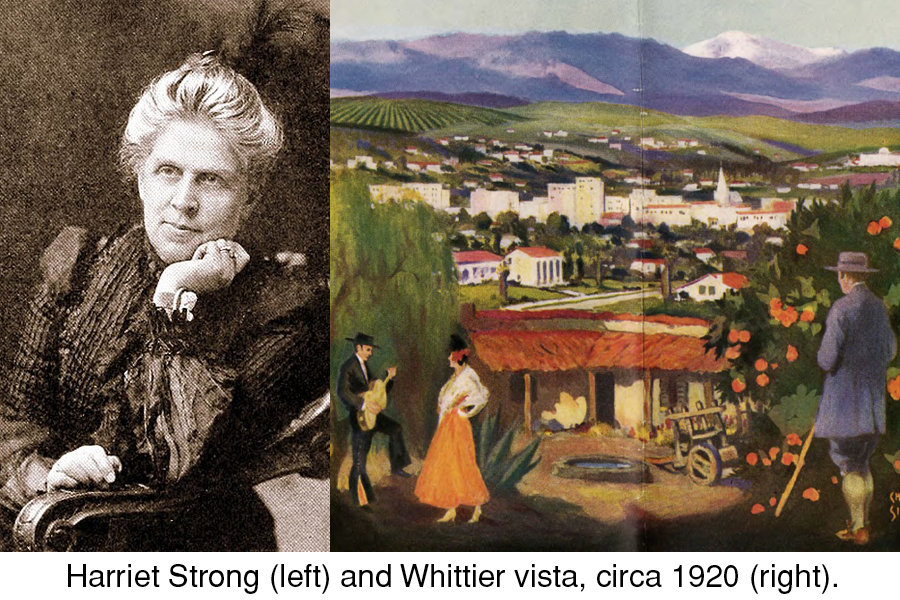
Harriet Williams Russell was born in Buffalo, New York, fourth daughter of Henry Pierrepont and Mary Guest (Musier) Russell. She was educated by private teachers and at Young Ladies Seminary at Benicia, California.
Marriage and family
In 1861, the family moved again to Carson City, Nevada, where Harriet met her future husband, Charles Lyman Strong. She was married in Virginia City, Nevada at the age of nineteen, and at thirty-nine was left a widow with four daughters when her husband committed suicide after a series of business failures. Her husband’s property, consisting of mines and other lands in Southern California, was involved in litigation lasting eight years. She then devoted her attention to the management and development of this estate, which was known as Ranchito del Fuerte in San Gabriel Valley, California. It was largely planted with walnut and orange trees, as well as pampas grass, and yielded profitable returns. In 1897 she drilled a number of artesian wells, and to utilize the water thus obtained purchased 1,000 acres (4.0 km2) of land five miles (8 km) away, installed a pumping plant, and incorporated the property under the name of the Paso de Bartolo Water Company, of which she was president, and her two daughters, respectively, treasurer and secretary, and issued bonds amounting to $110,000 to carry on the enterprise, selling the property four years later at a handsome profit.[2]
Inventor and water conservationist
Harriet Strong made a study about the shortage of water, including the control of floodwaters and water storage. She advocated source conservation as a flood remedy, proposing a succession of dams in the Grand Canyon of the Colorado River to conserve the water for irrigation purposes and the generation of electricity. On Dec. 6, 1887, she was granted a patent for a dam and reservoir construction. Her invention consists of a series of dams, one behind the other, to be constructed in a valley, canyon or watercourse in such a way that when the water has filled the lower dam it will extend up to a certain height upon the lower face of the second dam, and thus act as a brace and support for the dam above it. She obtained another patent, Nov. 6, 1894, on a new method for impounding debris and storing water. She was awarded two medals for these inventions by the World’s Columbian Exposition in Chicago, Illinois, in 1893. In 1918 she appeared before the congressional committee on water power and urged the government to store the floodwaters of the Colorado River by constructing a series of dams by her method in the Grand Canyon, (which in its full capacity is 150 miles (240 km) long), and thus control floods and increase irrigation water, making available thousands of acres of land and unlimited power for generating electricity.