
Sub-Total: $0.00
Garden Beauty to Healing Salve
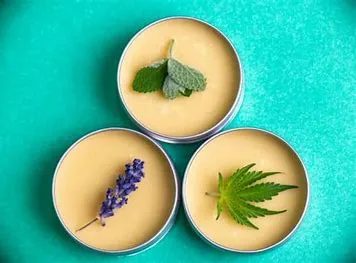
Herbal salves use plant-based ingredients like Calendula, Arnica, Comfrey, and Plantain to relieve scrapes, rashes, and dry skin, inflammation and other ailments. In this blog I hope to inspire your herb/flower garden to a new level of personal care.

Calendula
Health benefit: Anti-inflammatory, wound healing, antimicrobial and pain relief
Calendula is a hardy plant that can thrive in various climates and conditions. Here are some tips for growing calendula successfully:

Arnica
Health benefit: Anti-inflammatory, pain relief of bruises and muscle
Growing arnica requires careful attention to its specific needs. Here are some tips to help you cultivate this herb successfully:

Comfrey
Health benefit: Comfrey (Symphytum officinale) is renowned for its remarkable healing properties, including wound healing, pain relief, and skin health, but it should only be used topically due to potential liver toxicity when ingested.
Here are some tips to help you successfully cultivate comfrey in your garden:

Plantain
Health benefit: antibacterial, antimicrobial, anti-inflammatory and astringent properties
- Soil and Water: Plantain trees thrive in moist (not soggy) soil. Water regularly.
- Cold Protection: Protect the tree from cold fronts by covering it with a blanket, adding heaters or lights, or bringing it indoors if in a pot.

Chamomile
Health benefit: Soothe damaged skin, including diaper rash, bruises, burns, and IBS
Growing chamomile is a rewarding process that can be done with just a few steps. Here are some essential tips to help you successfully cultivate chamomile in your garden:

Thyme
Health benefit: can clear mucous for respiratory, also antiseptic and antibacterial properties
Thyme thrives in full sun, well-drained soil, and requires minimal watering, making it a hardy and low-maintenance herb for gardens or containers.

Echinacea
Health benefit: Pain relief, combats infections like hay fever and sinusitis, improves immunity, blood sugar, and anxiety
Echinacea plants are hardy and require minimal care to thrive. Here are some tips for growing echinacea successfully:

Lemon balm
Health benefit: stress relief, improve sleep and anxiety
Growing tips for lemon balm plants

Eucalyptus
Health benefit: quiets cough, helps you breathe easier, controls blood sugar, soothes cold sores
To successfully grow eucalyptus trees, ensure they have warm temperatures, regular watering, and proper fertilization.
Ideal Growing Conditions
- Temperature: Eucalyptus trees thrive in warm temperatures, ideally between 65°F and 75°F (18°C to 24°C). They can tolerate some heat but may struggle in extreme cold.
- Humidity: Moderate humidity is essential. Eucalyptus trees can become stressed in dry air, so maintaining a humid environment is beneficial, especially in indoor settings.
Other plants that are wonderful for salves: rose petals, peppermint, rosemary, cinnamon and lavender
To make a salve, harvest healing herbs at peak potency, dry them, and infuse them in a carrier oil for several weeks. This infused oil, combined with beeswax or soy wax and a liquid oil such as sweet almond oil, creates a soft, easy-to-apply mixture. Salves are a useful addition to any home herbal kit and are simple enough for beginners to make.
Step 1: Infuse your oil.
Before crafting your own herbal salve, you’ll first need to infuse your oil.
Gather:
- 8-ounce glass jar with lid- sterilized
- Dried or fresh herbs
- Approx. 6 ounces of carrier oil, such as sweet almond, grapeseed, olive or jojoba
Fill your jar roughly ⅔ of the way with dried herbs. It doesn’t have to be exact.
Next, cover the herbs with the carrier oil of your choosing. Just make sure it’s shelf-stable and won’t go rancid if left to sit out.
you can use sweet almond or olive oil, but you can use anything you have on hand. Ideally, you should avoid coconut oil as it tends to solidify at room temperature. And you want to make sure there’s at least 1 inch of oil covering the top of the herbs.
Replace the lid and give it a gentle shake to coat the herbs evenly. Then place the jar on a bright but not sunny windowsill, and let the herbs infuse for 2 to 3 weeks, shaking daily.
If the herbs absorb too much oil, simply add more. And if you notice any mold forming on top of your herbs, skim it off and keep going. Mold is more likely to occur with fresh herbs, but it’s not totally unheard of with dried.
Once the oil is done infusing, strain out the herbs using cheesecloth or a fine mesh strainer. Some herbs leave a gritty sediment in the oil. If this bothers you, strain the oil twice, once with cheesecloth and once with a coffee filter.
Store in an airtight jar away from heat and sunlight.
Note: If you would prefer to use heat to infuse your oil more quickly, simply place the herbs and oil in a small saucepan and simmer on low (preferably between 100°F and 140°F) for 3 to 4 hours, or until the oil has taken on the scent and color of the herbs. Let the oil cool to room temperature before straining the herbs and making your salve.

Step 2. Make Herbal Healing Salve Recipe
- 2 tablespoons (1 ounce) beeswax or carnauba wax if you’re vegan)
- 1 Tablespoon shea butter- this is optional but improves the creaminess of the salve 1/2 cup herb-infused oil
- 8-ounce glass jar
- Saucepan or double boiler
- Essential oils – the number of will depend on the dilution you want to achieve. For 2% dilution, use 12-18 drops per ounce. This recipe has 5 ounces (not including the optional shea butter) so that would be 60-90 drops of essential oil.
Start by placing the beeswax and shea butter in a small saucepan or double boiler. \
Heat on very low heat, stirring regularly until just melted.
Once completely melted, remove from the heat and add your herb-infused oil and essential oils. Stir to mix everything together.
Pour the melted salve into a clean, dry container and let it sit overnight to firm up. Keep the finished product in a cool, dry location and it should last for about a year.
Will my herbal salve go rancid? Do I need to use a preservative?
All oils will eventually go rancid, especially if exposed to sunlight or heat. I recommend storing your salve in a cool, dark place and using it within 6 months. You’re free to add 1–3 teaspoons of vitamin E oil to your salve to help prolong its shelf life.
