
Sub-Total: $0.00
Plants for Body Wash and Laundry
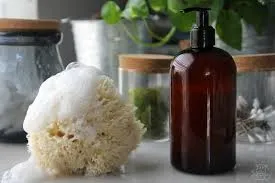
Saponin-rich plants can be used as natural body wash and laundry soap alternatives. It is possible to harvest certain roots or flowers from the yard and use them by rubbing between the palms for cleansing purposes. Several plants contain sufficient saponins to create lather; a few notable examples are highlighted below.
What Are Saponins?
Saponins are natural glycosides found in many plants, such as soapwort, that create a soapy lather when mixed with water by lowering its surface tension. They also have insecticidal and herbicidal properties. While soapwort was once the main commercial source of saponins for soap, most modern soaps now use other plant-based or synthetic sources. The roots or leaves are usually boiled in water to extract the surfactant effect. Besides soapwort, there are several other saponin-rich plants you can use for homemade soap.
Top Plants Highest in Saponins

Amole Lily
The Amole Lily—also called Soap Plant, Soap Lily, or California Soaproot_—has long been valued for its practical uses. Indigenous peoples and pioneers used the bulb pulp as soap and shampoo, producing a rich lather that softens hair. The bulb’s fibrous husk served as brushes, and the plant was applied to remedy poison oak. Saponin-containing plants like this have also been used as fish poison in various cultures.

Soapwort
Soapwort (also known as Bouncing Bet) is an attractive flower often found in English gardens. Soaking or boiling any part of the plant, especially the root, produces a mild, sudsy wash water that’s effective for cleaning delicate fabrics and baby clothes—though it may irritate eyes and should not be ingested. Soapwort thrives in full sun and well-drained soil, is hardy across all zones, and spreads easily.

Yucca – Soaproot
The trunk and roots of the soapweed yucca (Yucca glauca) contain high levels of saponins, making them useful as natural soap or shampoo. Its dried leaves can be used to craft baskets, sandals, and rope. Yucca thrives in dry, sunny climates of the US Southwest, tolerating temperatures down to 20°F and reaching up to 18 feet tall.

English Ivy
English Ivy (Hedera helix) is a widely planted evergreen vine that is prized for its dense foliage and ability to climb walls and other structures. However, English Ivy is also high in saponins.
When it comes to saponins there’s no shortage of it in English ivy leaves: they are evergreen.

Horse Chestnuts
Horse Chestnuts are a tree species native to regions of Europe, Asia, and northwestern Africa. The tree produces sizable spiky fruits that contain large seeds. These seeds contain saponins, which are compounds that can be used in soap production.
Horse chestnut soap is thought to be particularly beneficial for people with sensitive skin, as it is gentle and non-irritating. In addition, the saponins in horse chestnut soap may help to kill harmful bacteria and fungi.

Bracken
Brackens are a type of fern that contains high levels of saponins. To extract the saponins from brackens, the plants are typically soaked in water for several days.
The resulting solution is then boiled and allowed to cool. The saponins will rise to the surface and can be skimmed off and used in soap recipes.
Brackens are ferns rich in saponins. To extract them, soak brackens in water for several days, boil the solution, cool it, then skim the saponins from the surface for use in soap recipes.

Ragged Robin
The ragged robin (Silene flos-cuculi) is a European wildflower found in damp meadows and woods. Its pink, deeply lobed flowers are distinctive. Thanks to its high saponin content, it’s also suitable for soap making.

Campions
The campion plant is a flowering species native to Europe and Asia. It belongs to the pink family and produces either pink or white flowers.
This plant typically grows to a height of around two feet and features a short, stalky root system. Its leaves are opposite, oblong, and have toothed margins, while the stems are hairy and sticky. The flowers, which have five petals, appear in clusters. The fruit produced is a capsule containing numerous seeds.

Soap Nuts
Soap nut plants naturally produce saponins, compounds with soap-like qualities long used as alternatives to conventional detergents. Today, they are found in eco-friendly laundry detergents and shampoos, and can also be used for homemade soap. To make soap, boil soap nuts in water, then mix the extract with olive or coconut oil; the saponins serve as a surfactant, creating a cleansing lather.
Clematis

Clematis plants, especially common in Asia, are high in saponins with suspected insecticidal effects. Used in traditional Chinese medicine to treat skin infections and wounds, clematis can be tricky to grow but is low-maintenance once established. For soap making, saponins should be collected from the leaves and stems, as the flowers mainly serve decorative purposes.
Mountain Lilac

Mountain lilac (Ceanothus velutinus), or snowbrush, is a shrub native to mountainous areas from California to Alaska. It features lance-shaped leaves and white or blue flower clusters. Its saponins are among the highest for soap making, and some people also use its soap for skin conditions like eczema and psoriasis.
Baby’s Breath

Baby’s breath (Gypsophila paniculata) is a European and Asian plant used in bouquets and valued for its saponin content. The dried flowers can be brewed for tea or soaked for soap-making. While not the only source of saponins, baby’s breath is a practical choice for homemade soap.
Wild Mock Orange

Wild mock orange plants provide saponins, making them useful for soap-making. They’re also suitable for glycerin soap, as saponins help emulsify oils and produce a creamy lather.
Buffaloberry

The buffaloberry (Shepherdia argentea) is a North American shrub related to the soapberry tree (Sapindus saponaria). Rich in saponins, its berries can be mixed with water to make a natural, foaming cleanser for clothes, dishes, or skin. Buffaloberry plants also improve soil quality by fixing nitrogen.

Wild Yam
Wild yam plants contain saponins, which are used in soap production. Beyond soap-making, wild yams are now also used in food and cosmetics due to their versatile saponin content.
Soapbush Tree

The Soapbush Tree is a plant species native to regions of North and South America. Its name derives from its production of saponins, which were traditionally utilized by Native Americans for soap-making purposes. Currently, the tree continues to be harvested for its saponin content; leaves and bark are boiled in water to extract saponin, subsequently used in the manufacture of natural soap products. For those seeking sustainable and environmentally friendly alternatives in soap production, saponin derived from the Soapbush Tree presents a viable option.
How to Use These Plants to Make Soap
To make soap from saponin-rich plants, extract the saponin by simmering plant material in water, then mix it with fat and lye. When heated with oils or fats, saponin reacts through saponification to form soap. A common ratio is 1 part saponin ( leaf or root), 2 parts fat, and 3 parts lye, though this may vary by plant type. Soaps made this way are often milder on sensitive skin than traditional varieties.
Saponin-rich plants can be used as natural body wash and laundry soap alternatives. It is possible to harvest certain roots or flowers from the yard and use them by rubbing between the palms for cleansing purposes. Several plants contain sufficient saponins to create lather.
The link below is a great web site that has step by step to make English Ivy Soap
