
Sub-Total: $0.00
Adventure to See Outstanding Orchids

I had the pleasure of visiting the San Diego Botanical Garden and they were featuring an Orchid Exhibit. I wanted to share the amazing results with you but first some care tips.
Orchids are:
· Mostly epiphytes that grow on branches, roots in air
· Not parasites, but are fully photosynthetic
· Recognize by flowers – 3 sepals and 3 petals (lip), fused reproductive organs
· Over 27,000 recognized species, grow everywhere
except polar and desert regions (they can be grown there, but don’t grow naturally)
Care for your orchids:
Water: do not overwater; roots need to dry out
· Use room temperature water; no ice cubes
· Alternate water and fertilizer; allow water to drain from the pot
· Too much water: leaves are sickly green or yellow
· Too little water: leaves or pseudobulbs shrivel or wrinkle
Temperature: most orchids need cooler nights; needs vary by species
- Warm daytime temperatures are tolerated – 70 to 85°F
- Cooler nights – 60 to 65oF is best
- Too cold: mottled yellow leaves
- Too hot: brown or dry leaves
Light: orchids need more light than you might think
- Position near an east or north facing window
- Too much light: leaves develop burned patches or turn brown; add a thin curtain to diffuse light
- Too little light: leaves are dark green, floppy, and will not flower
Humidity: group orchids together, or with other plants to increase humidity
Some orchids require very high humidity (Vandas, from Thailand), others require less
- Too much humidity: results in fungal growth
- Too little humidity: plants grow poorly and will look dry
- Use a tray of gravel under pots to increase humidity,
- Avoid hot, dry, or windy conditions
Fertilizer: 30-10-10 is recommended for indoor orchids; alternate with water
- Use fish emulsion for outdoor orchids
- Cymbidiums need 10-30-10 before and during flowering
Purchasing an orchid:
- Select a plant with green, undamaged leaves, with both buds and flowers
- Examine the leaves and stems for insects, scale, mites before purchasing
- Isolate the new orchid from other plants for 6 months to monitor any developing insects or mites
On to the beauty! ENJOY
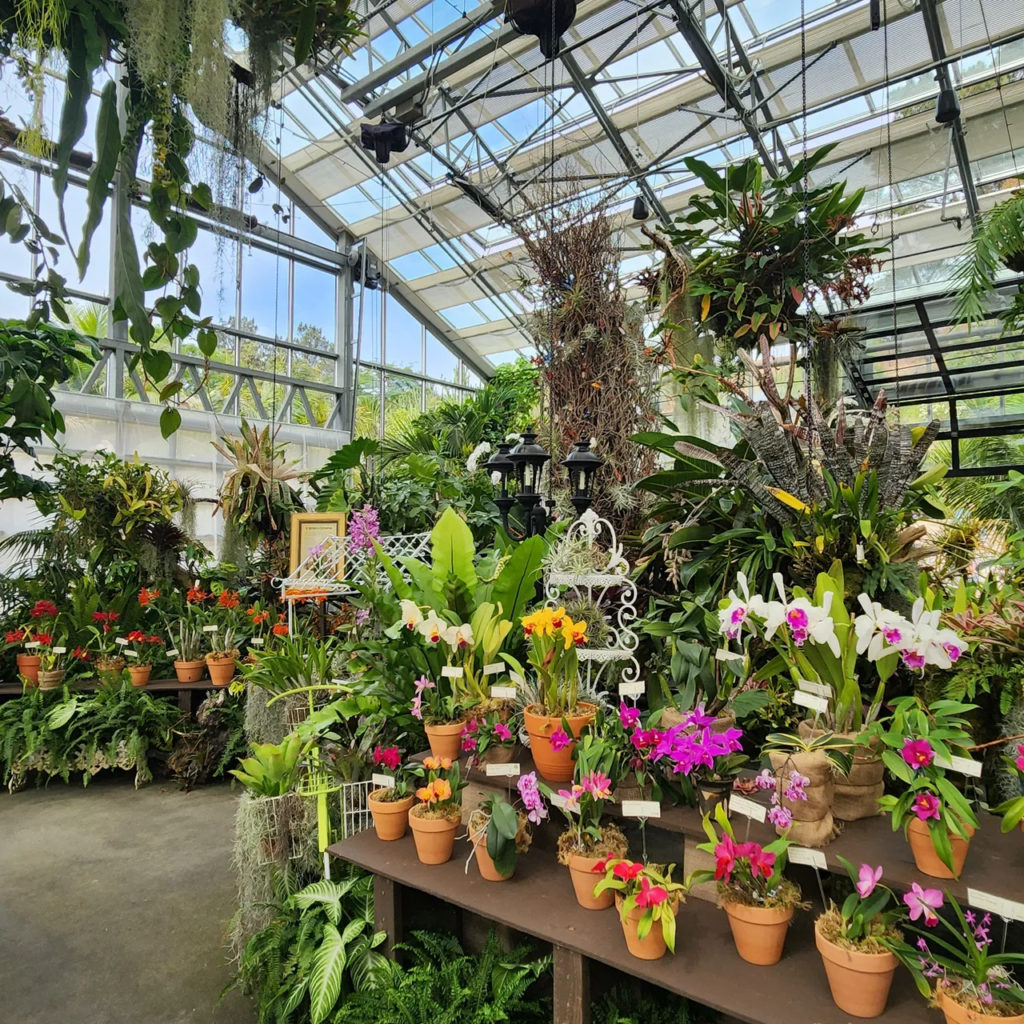
View of the room where the exhibit was held
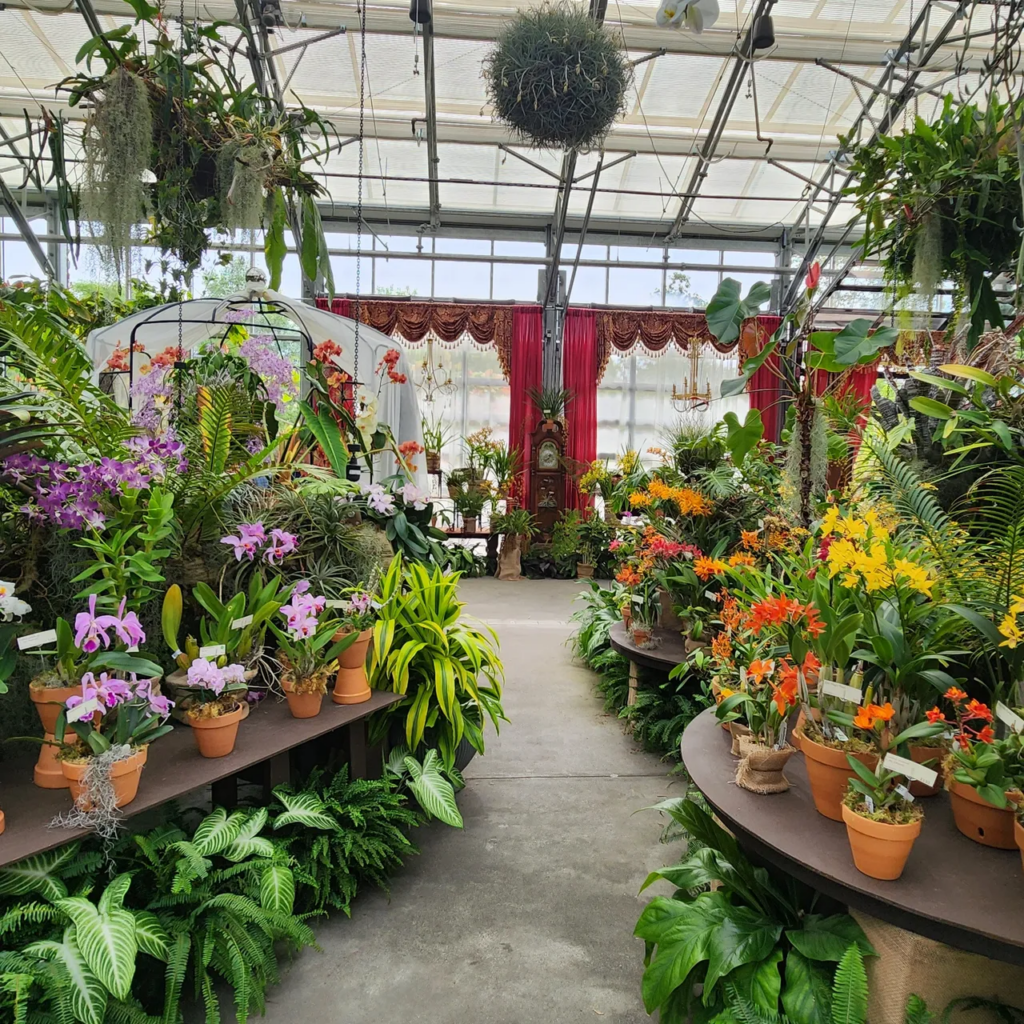
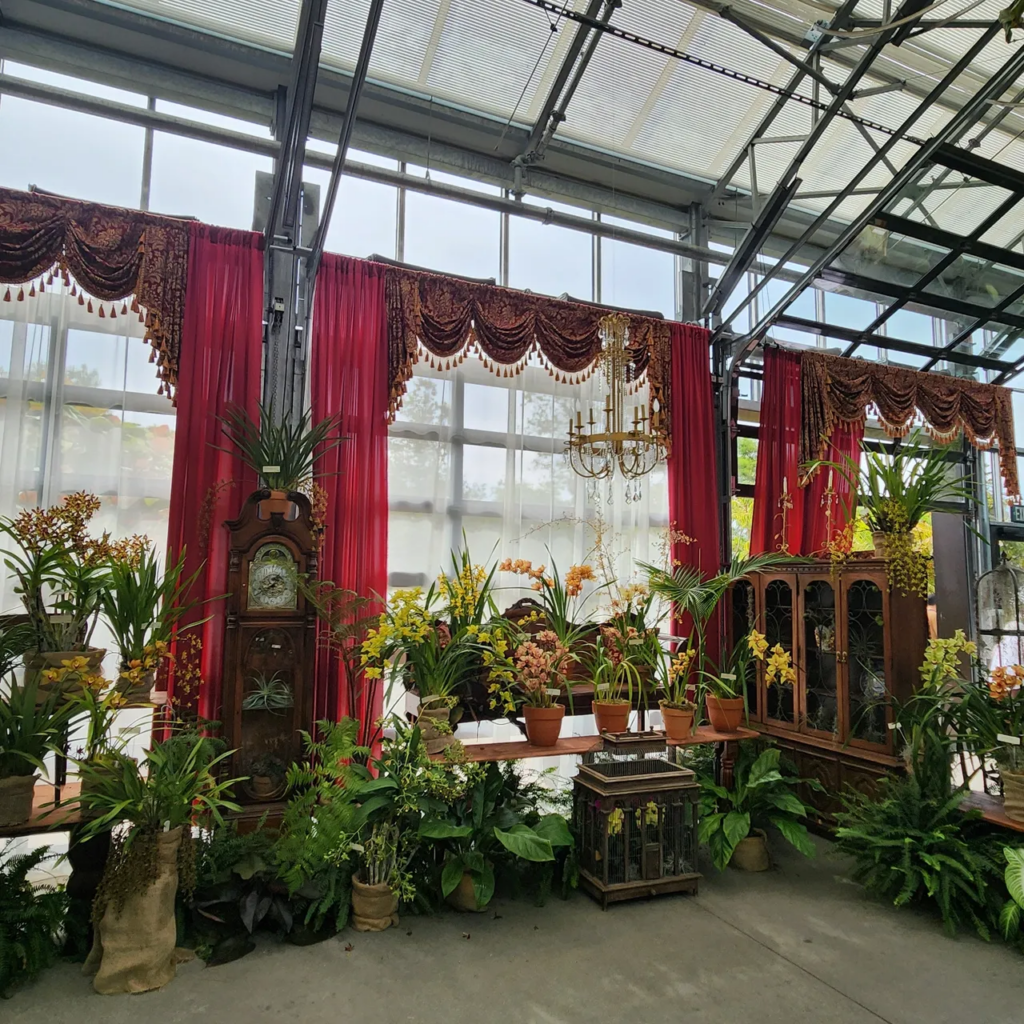
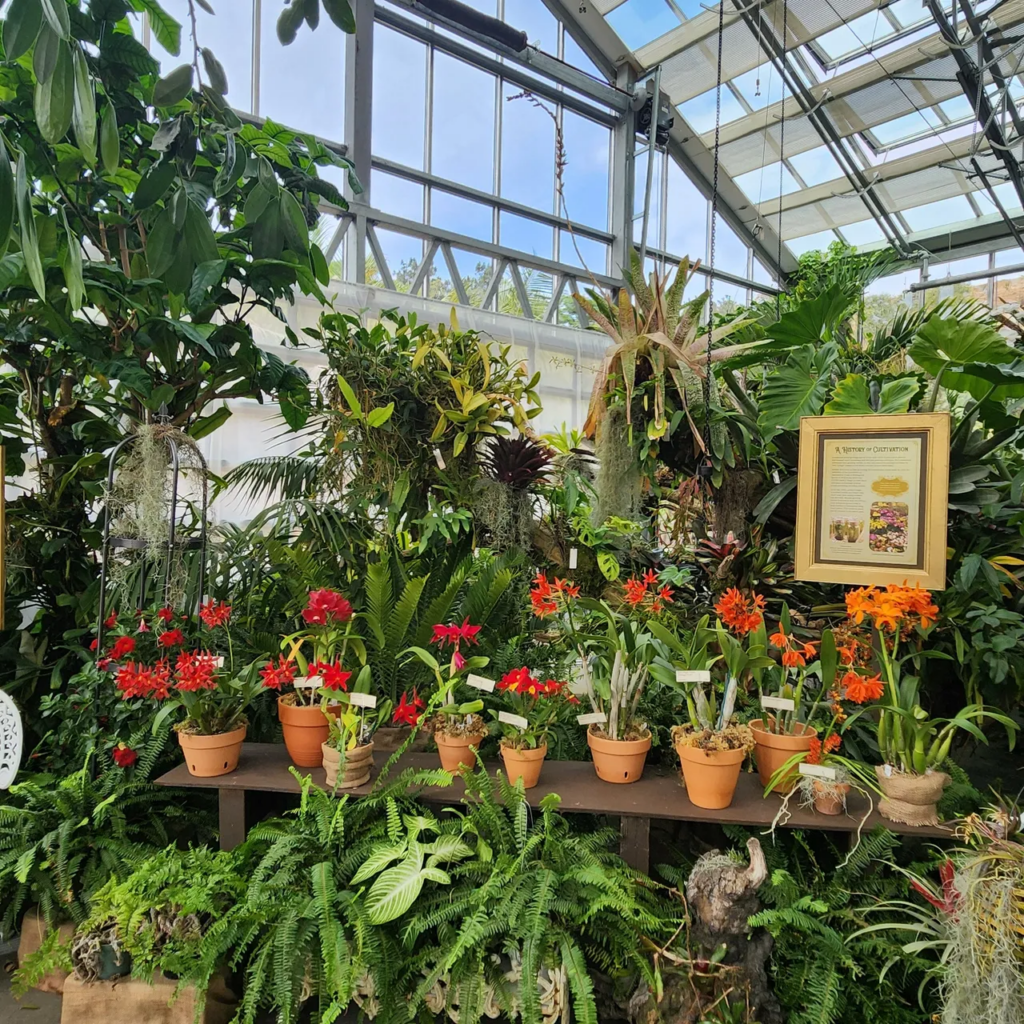
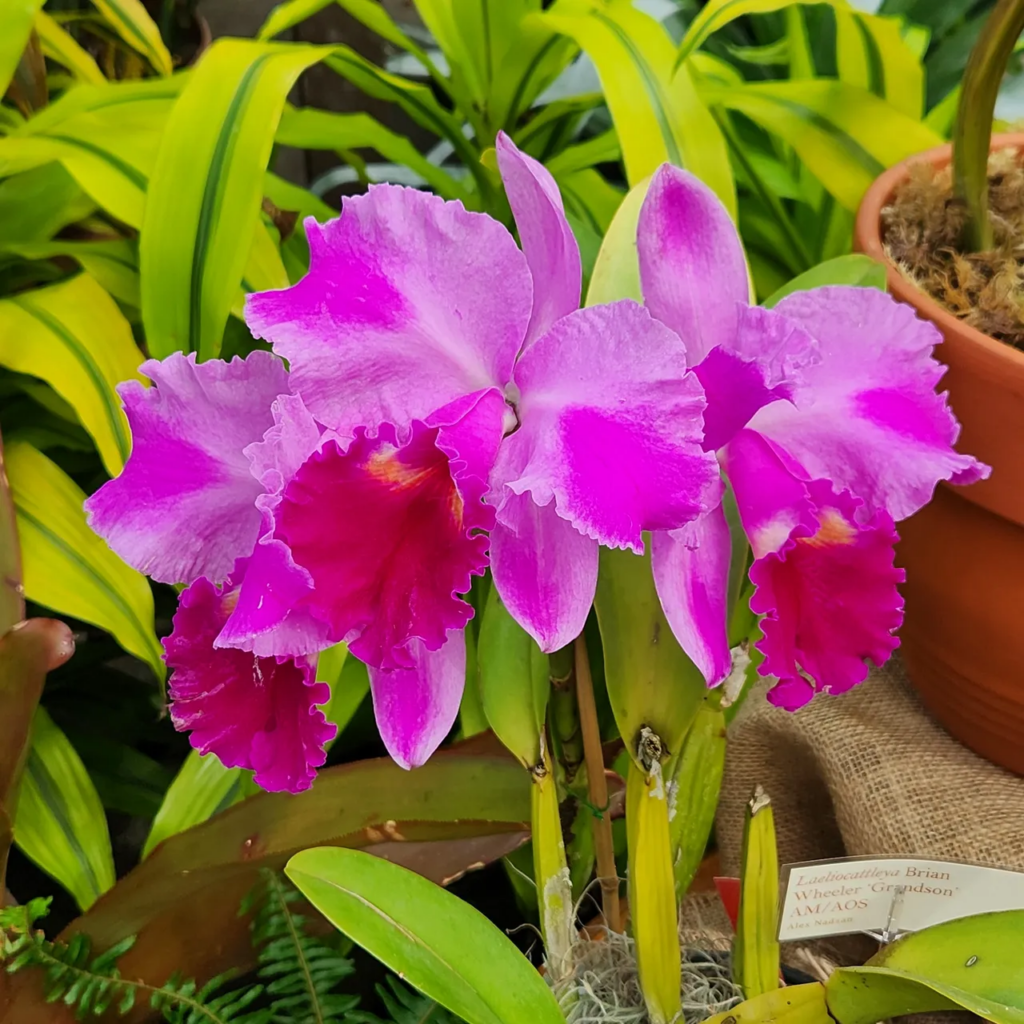
Catteya Cosmo Empress
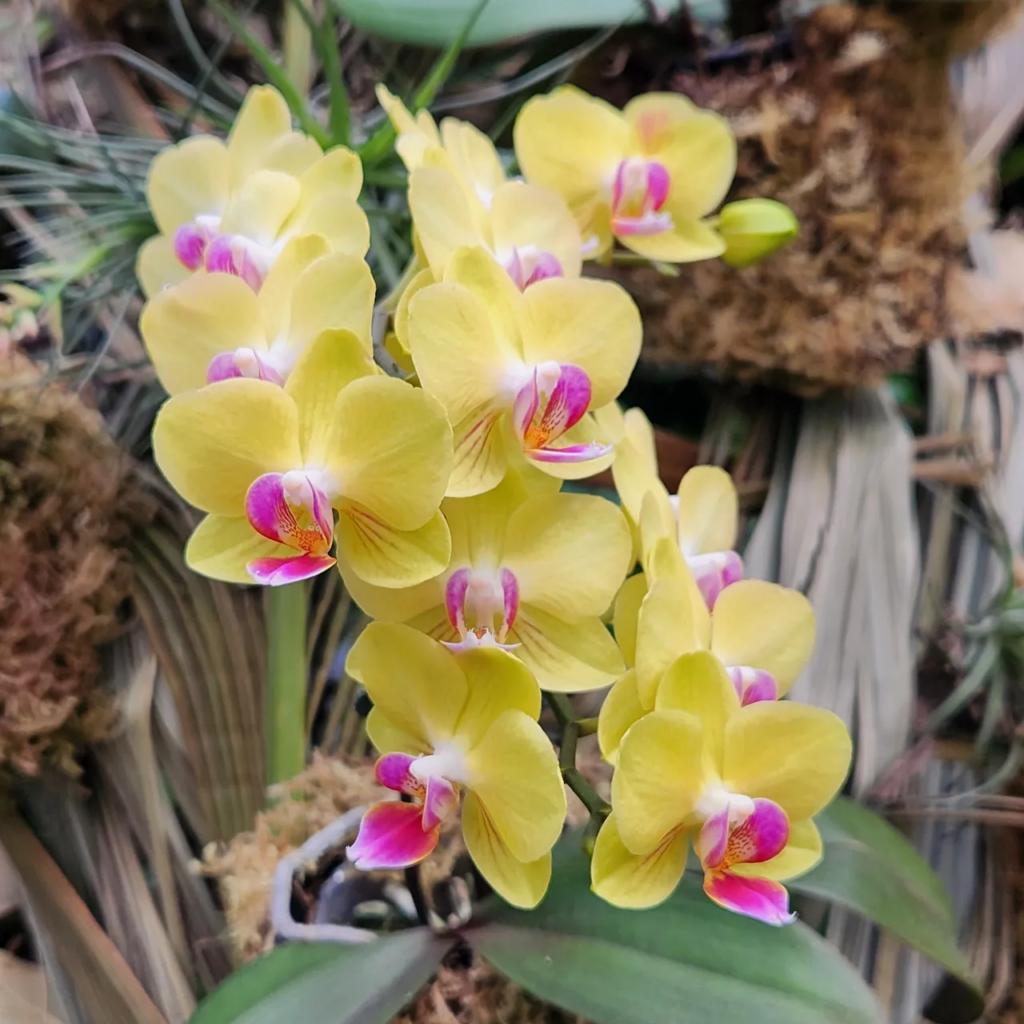
Phalaenopsis
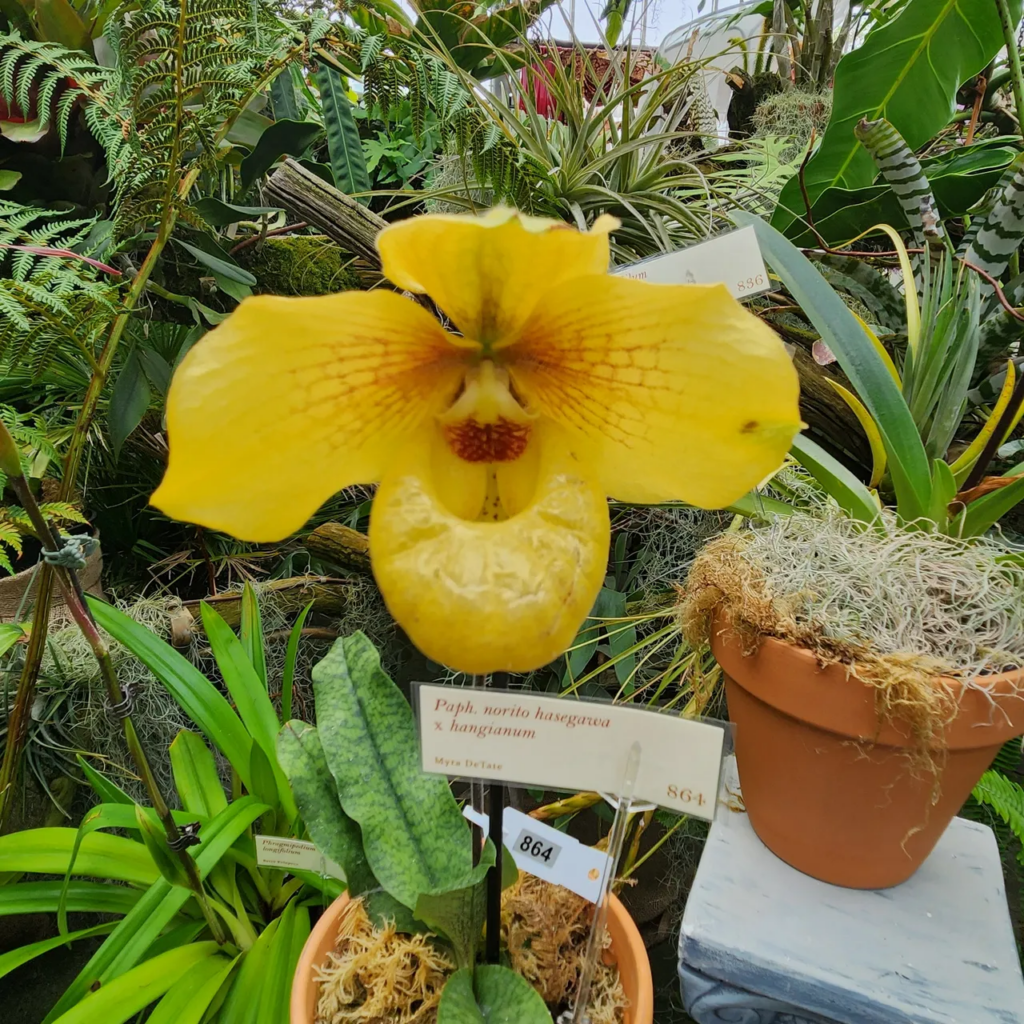
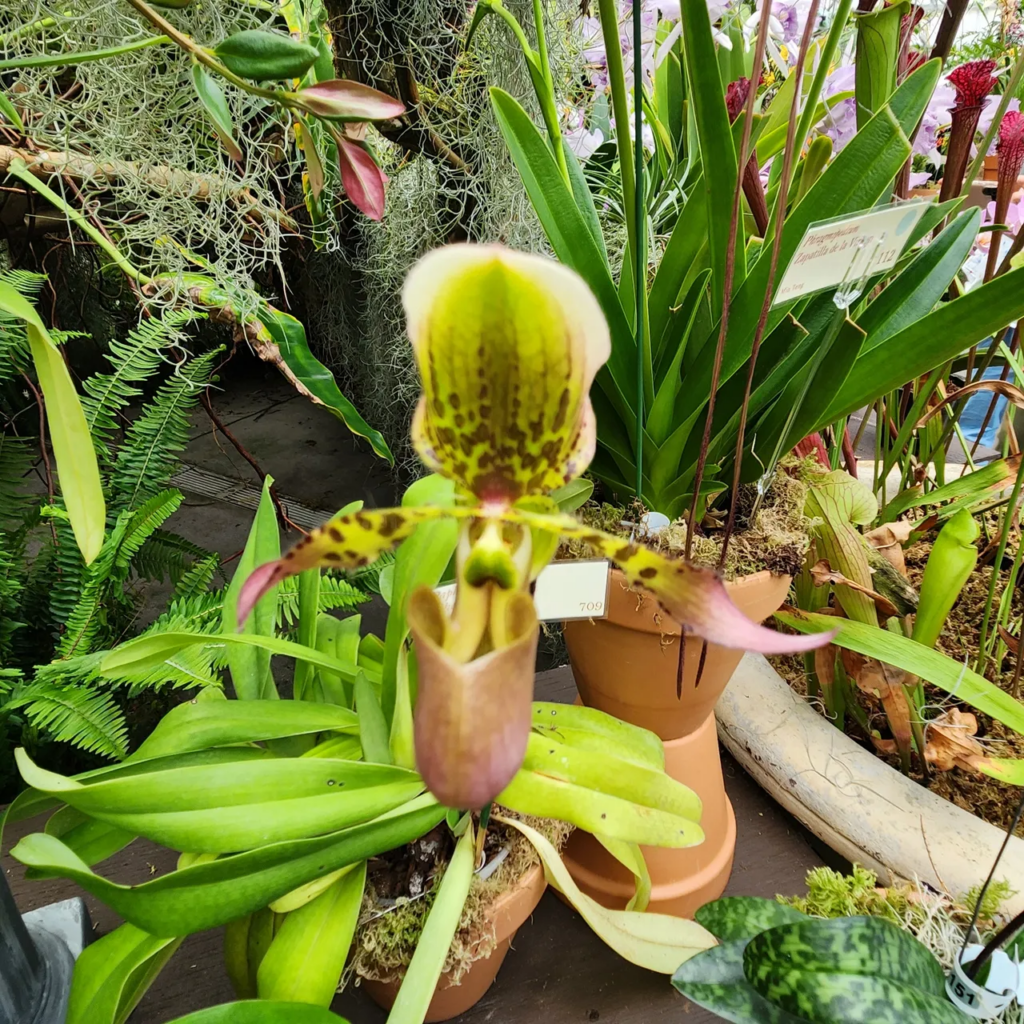
papihopedilum
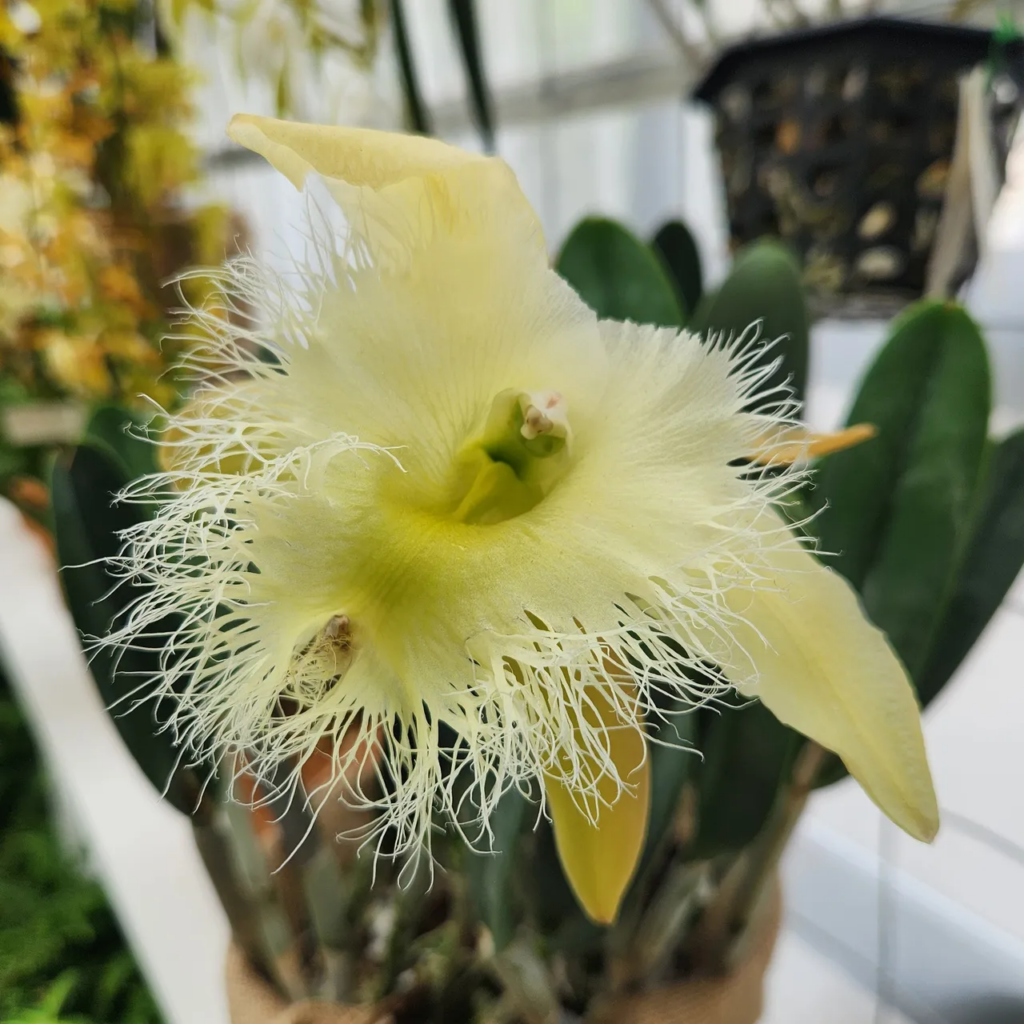
Cattleya
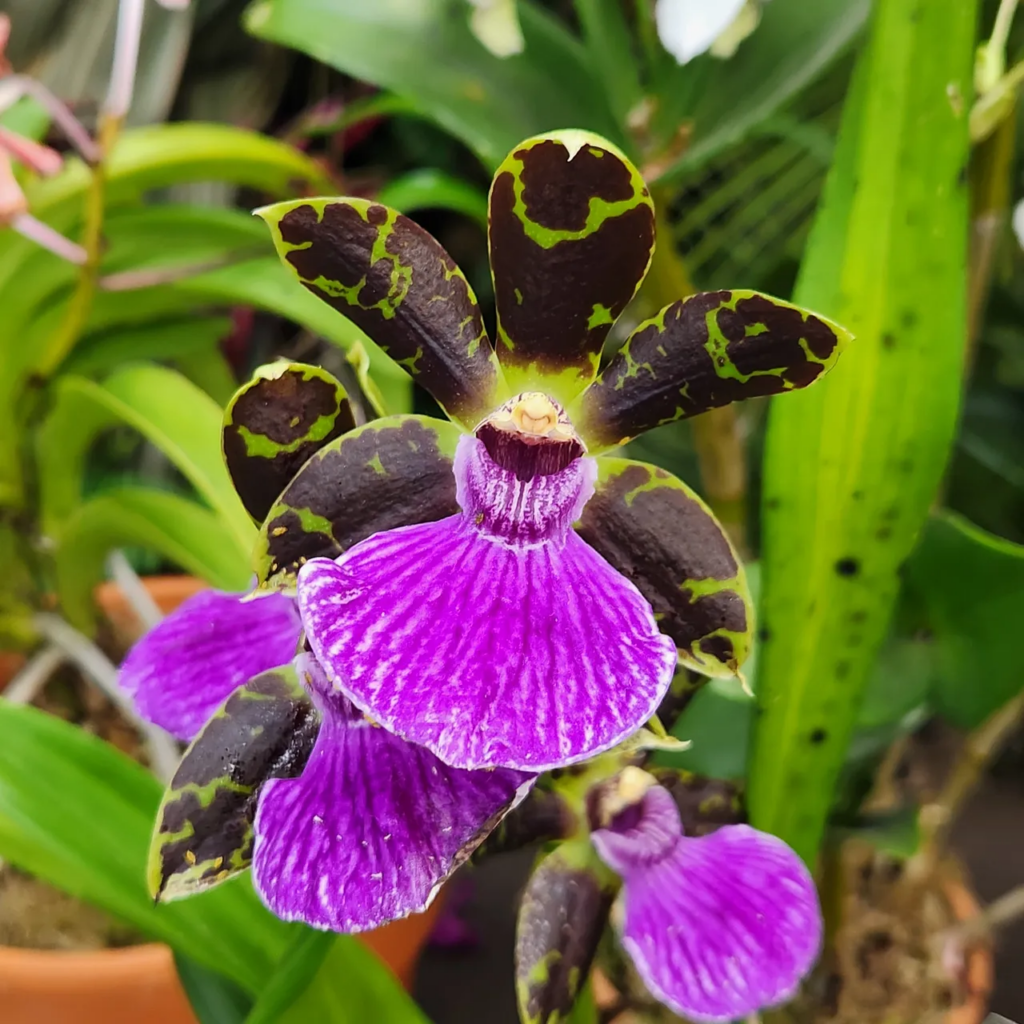
Zygopetalum
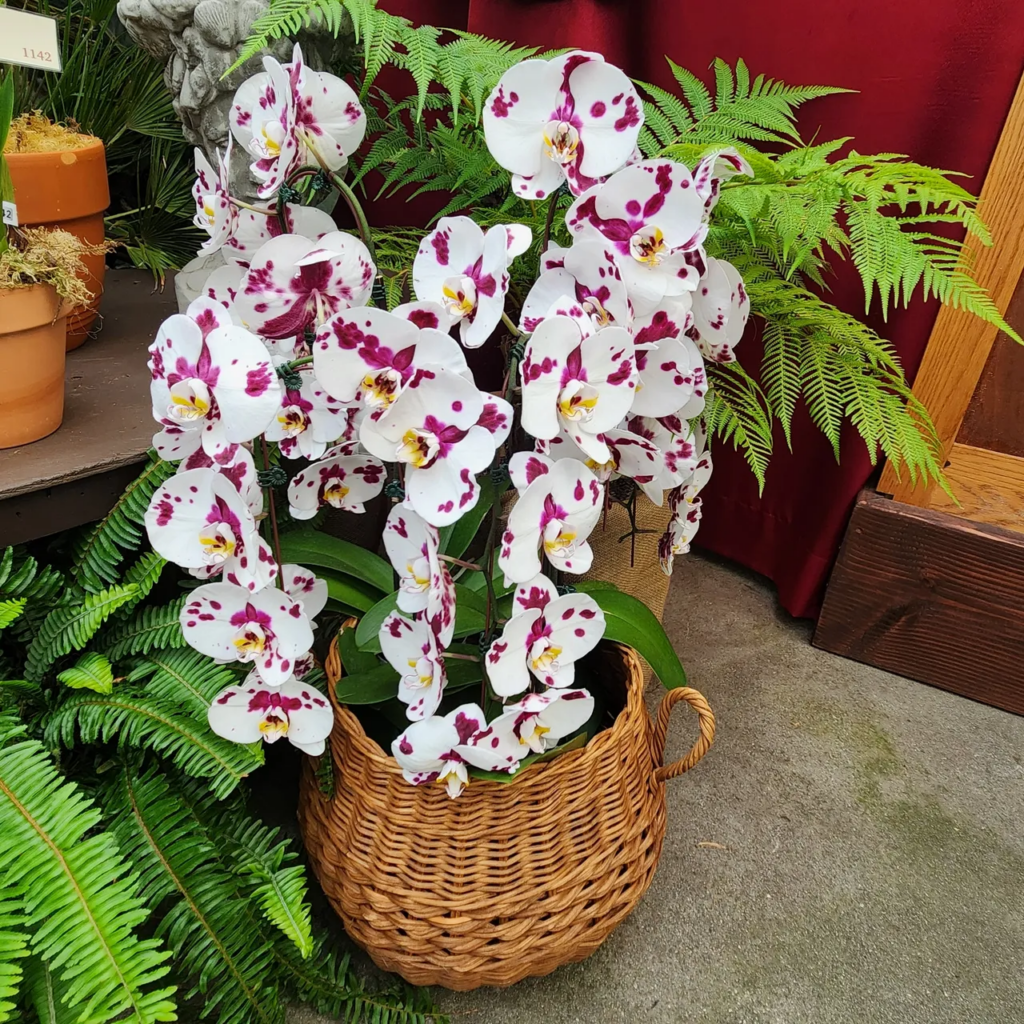
Phalaenopsis
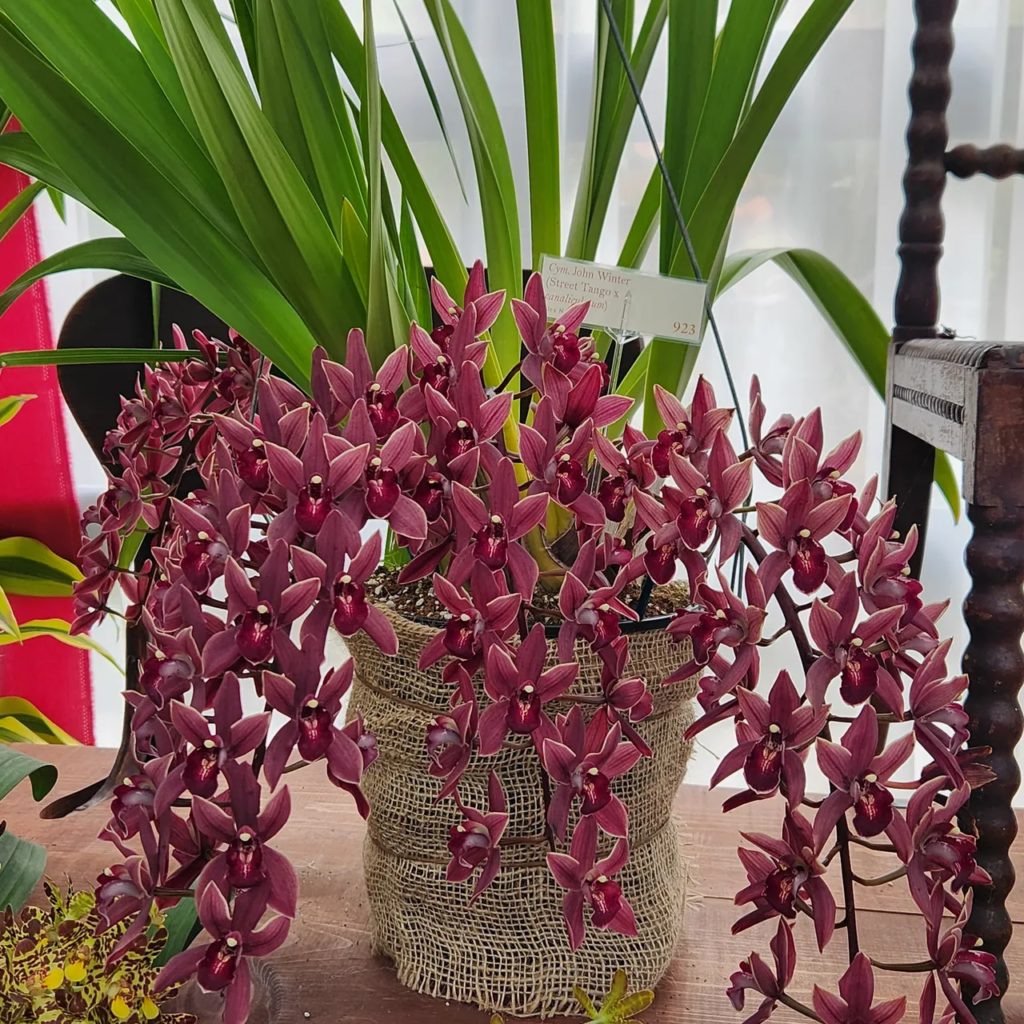
Cymbidium
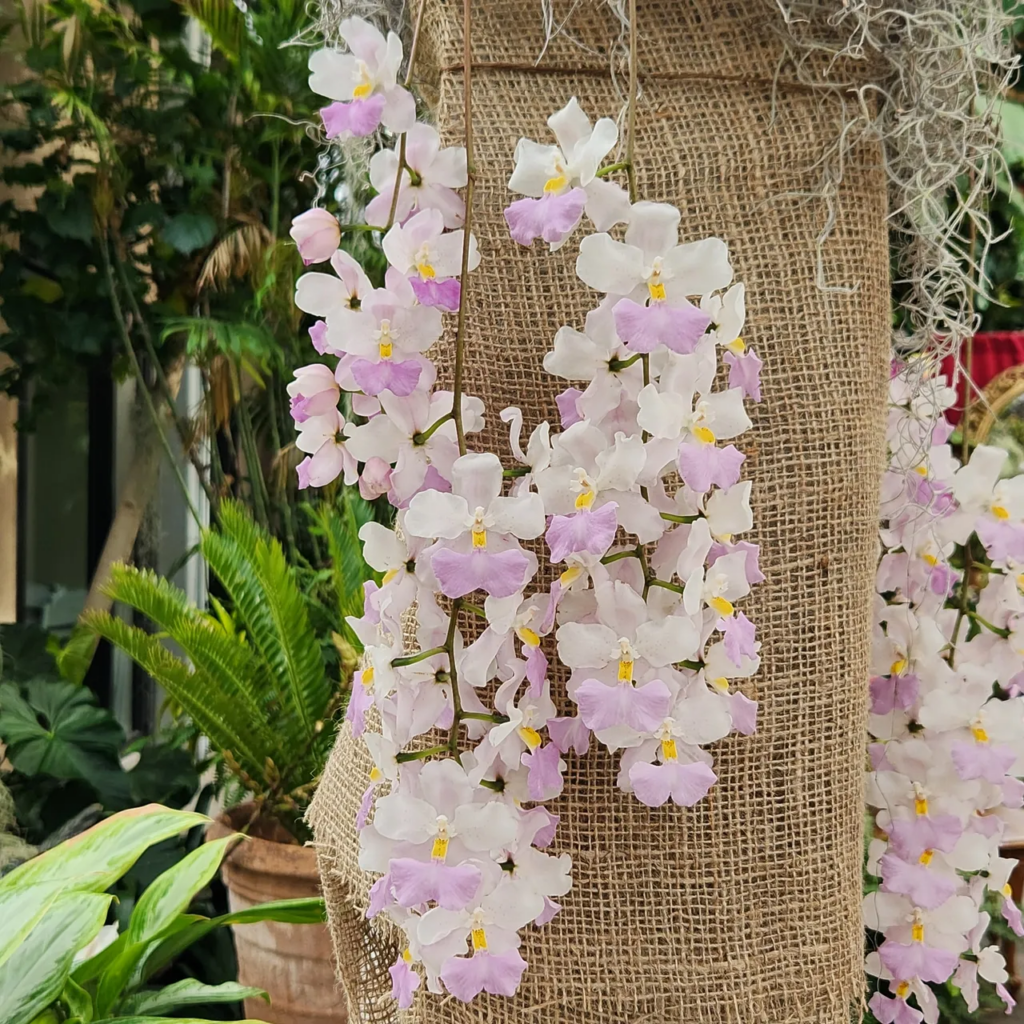
Cuitlauzina
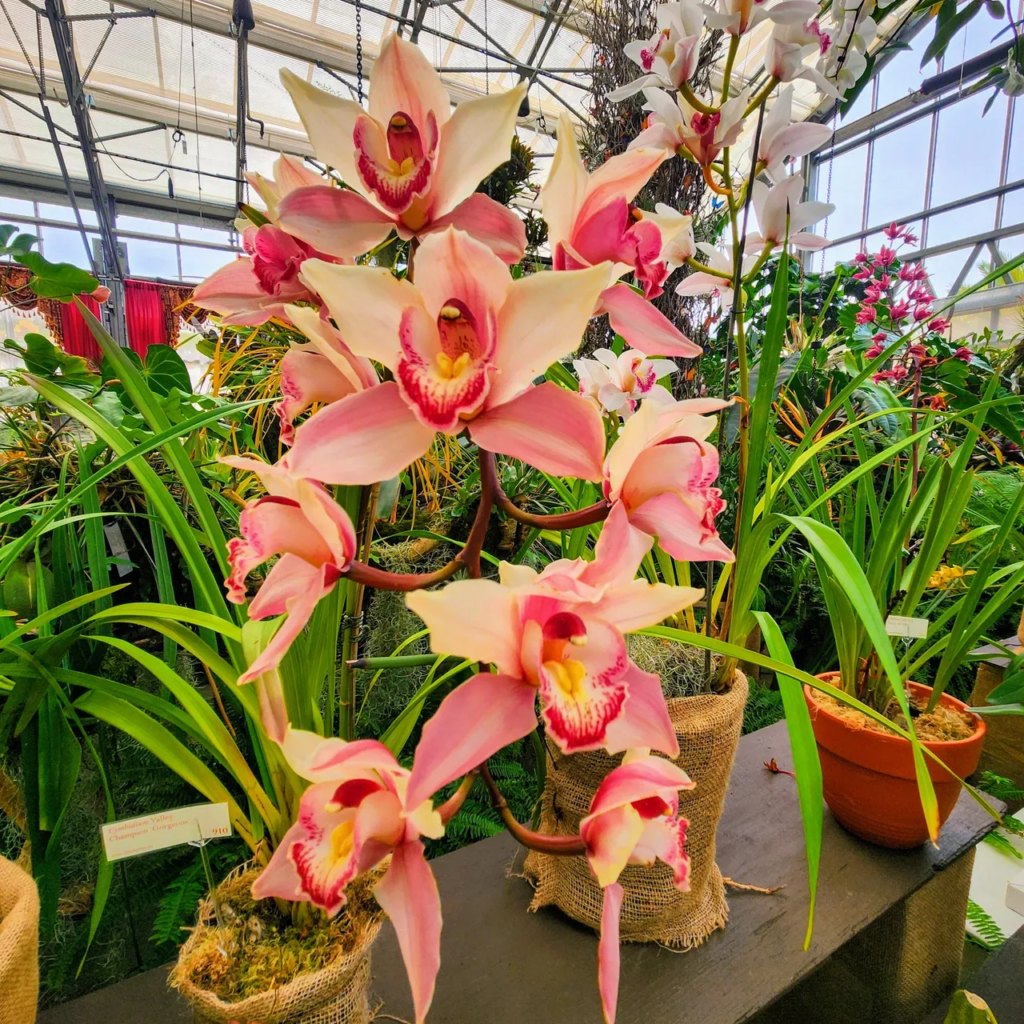
Cymbidium
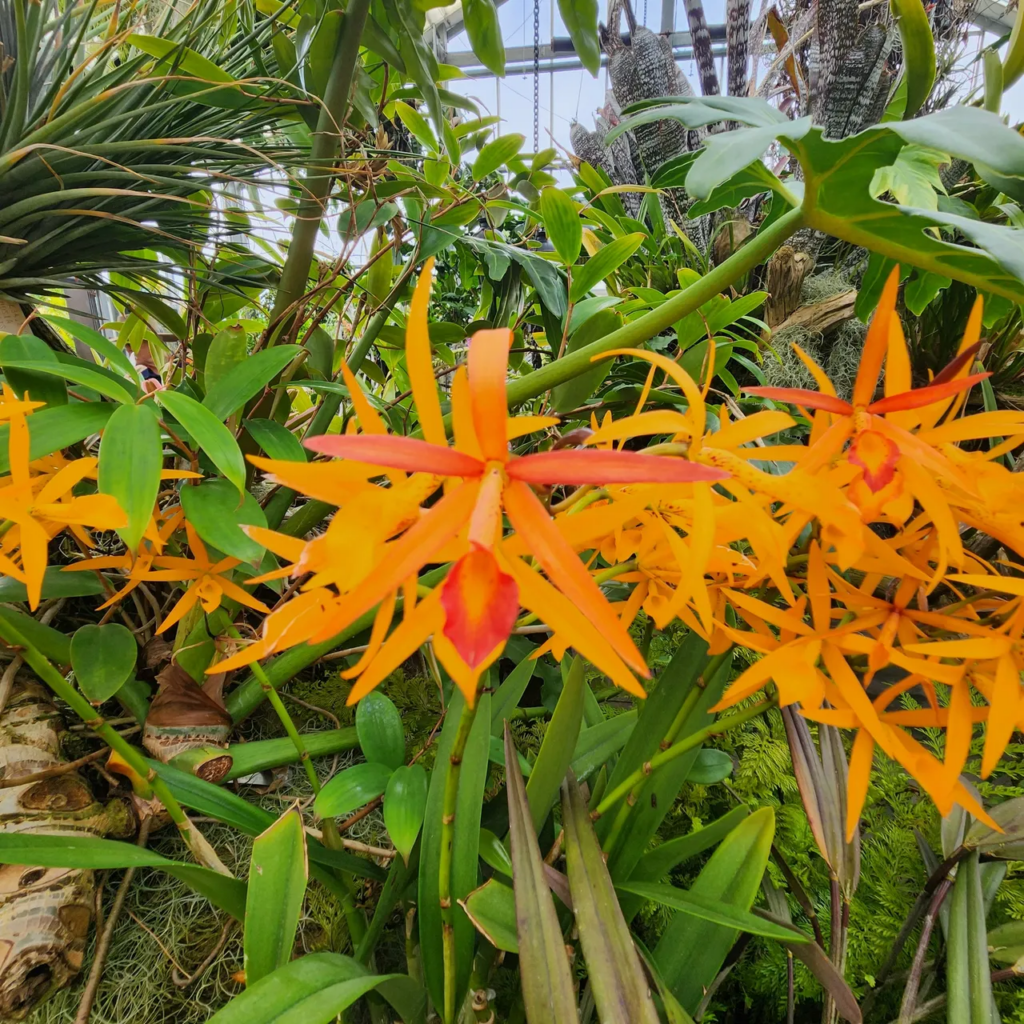
Procatalova Golden Peacock
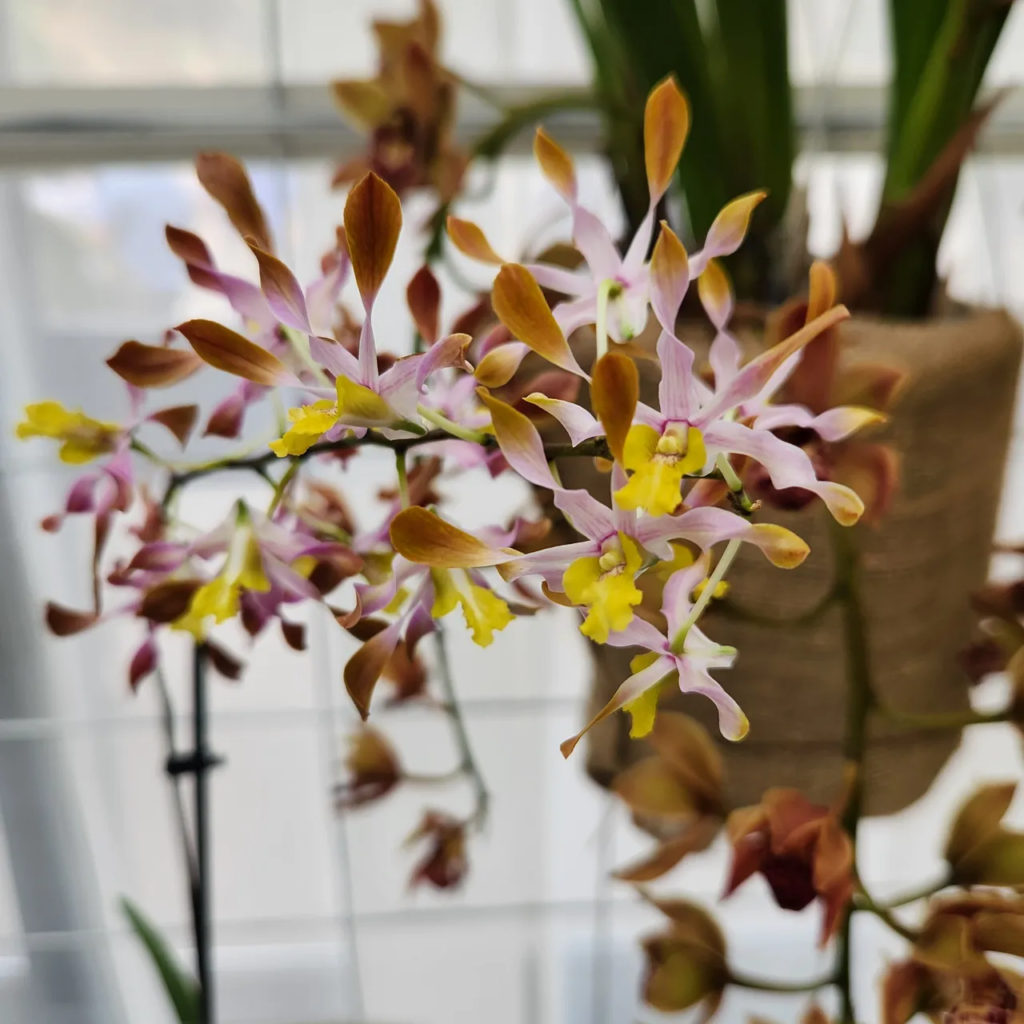
Denrobium
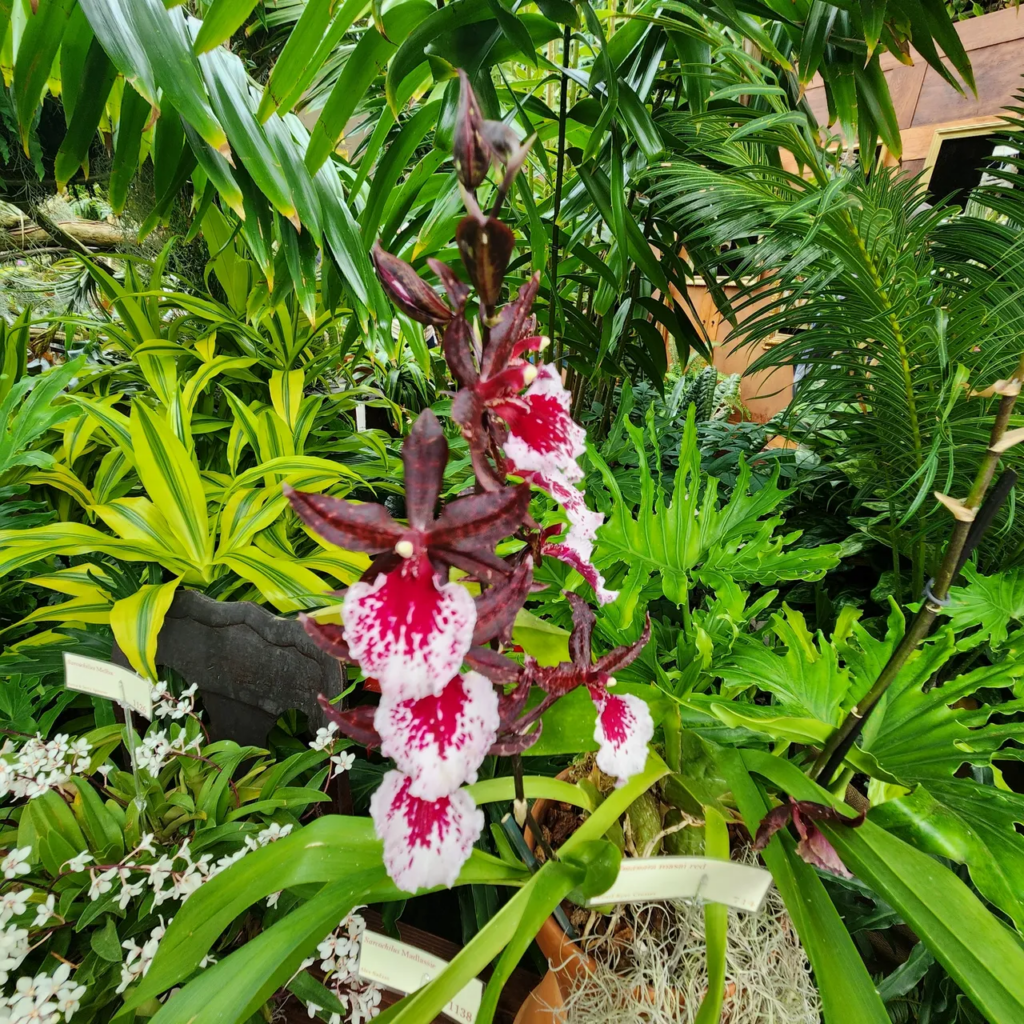
Oncidium Alliance
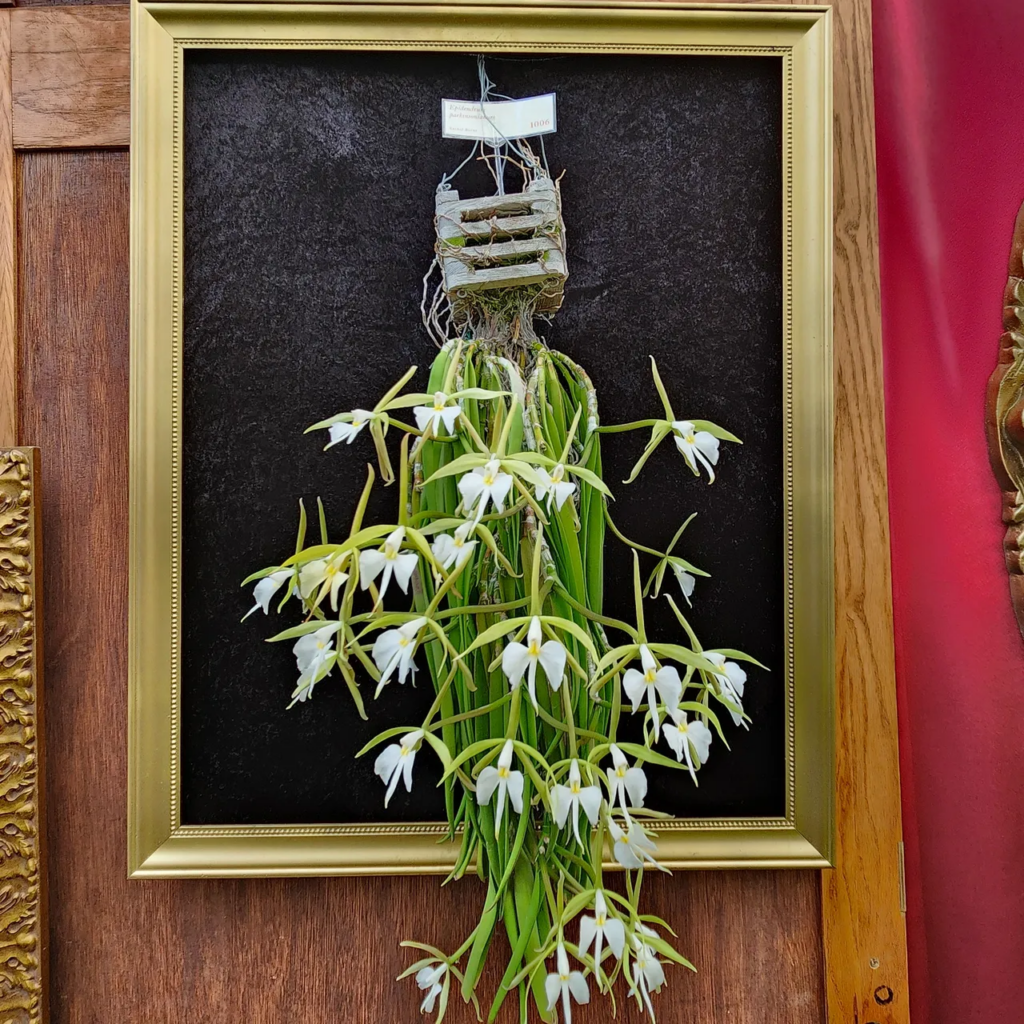
Epidendrum Parkinsonianum
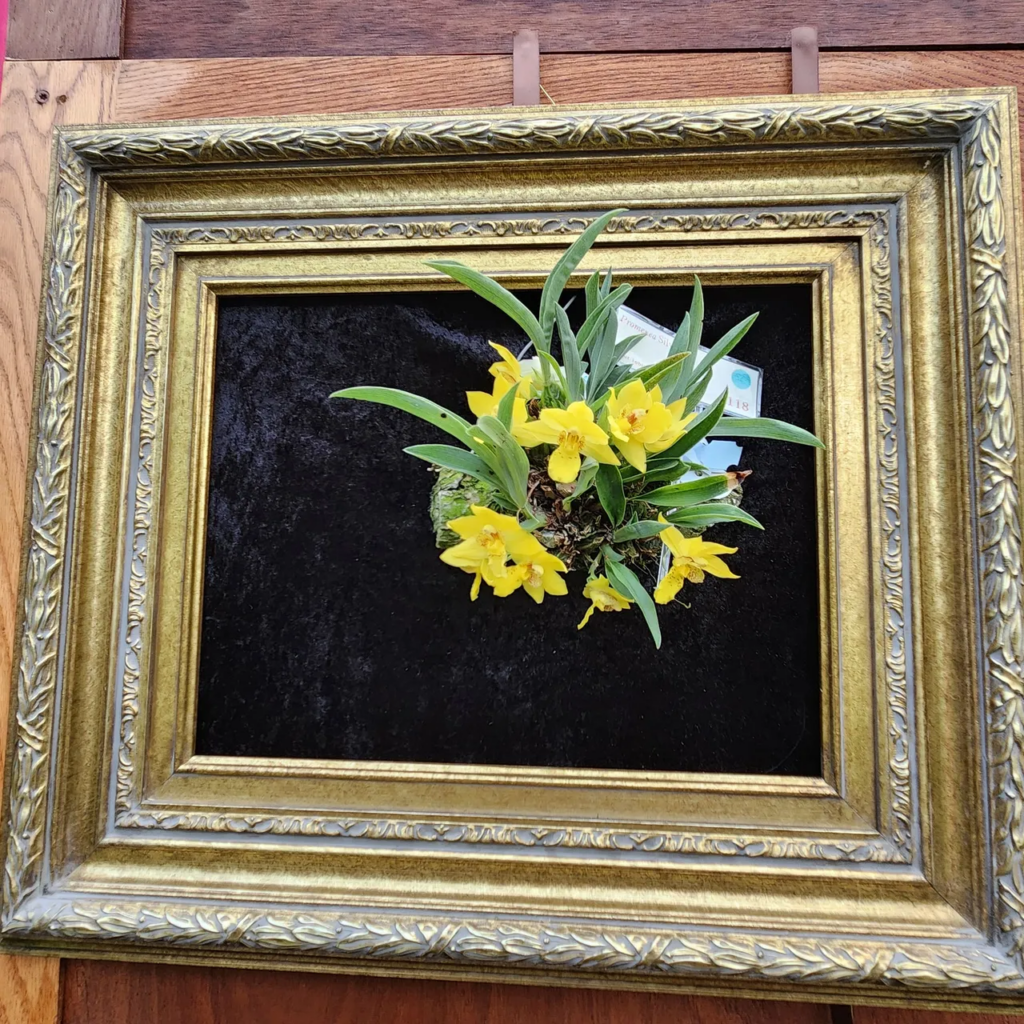
Promenaea
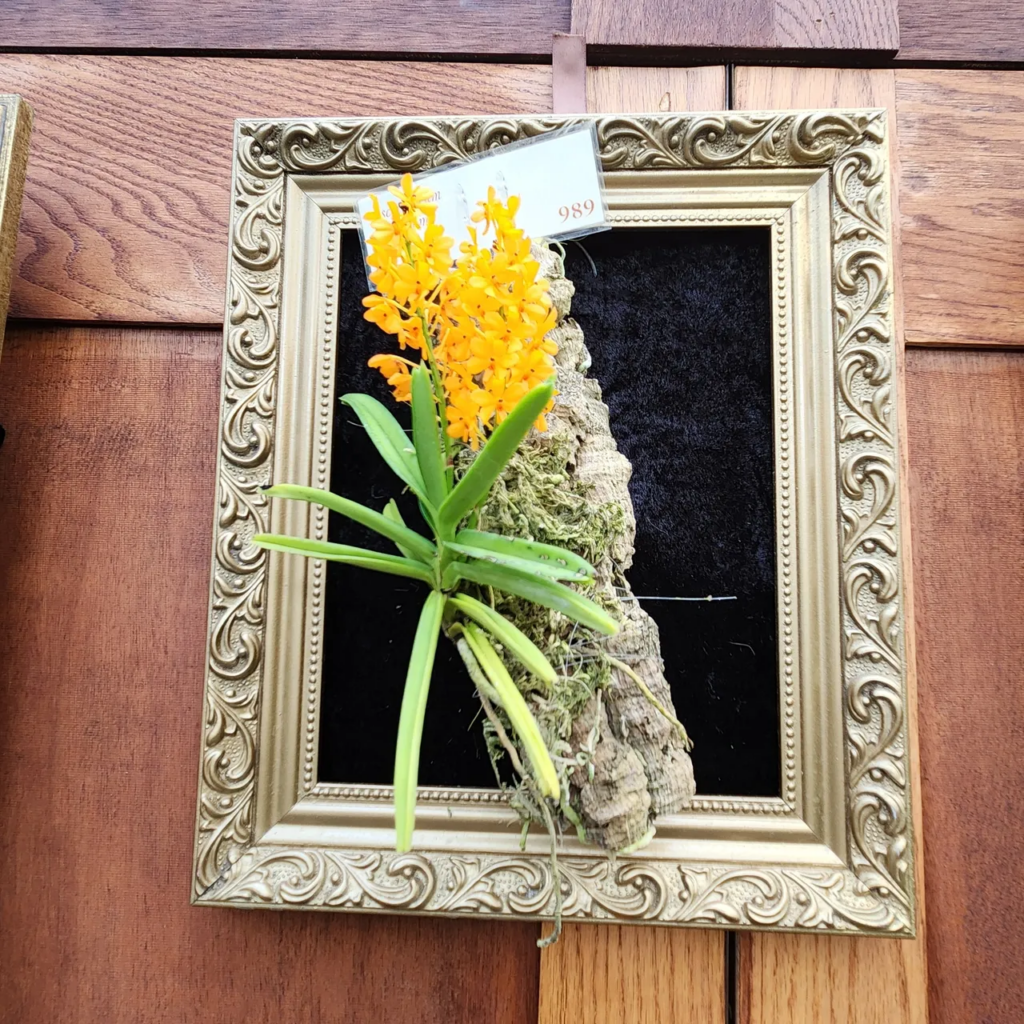
Asocentrum
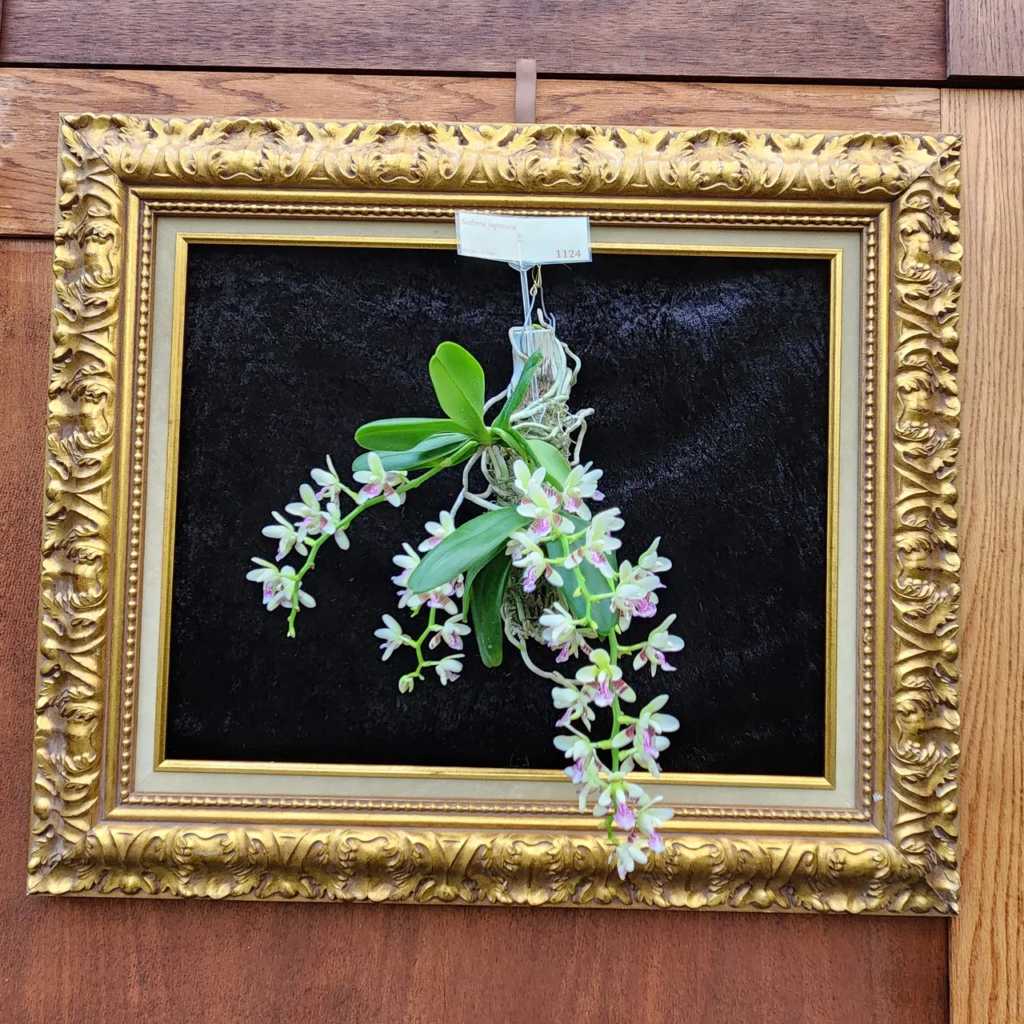
Macropodanthus
