Sub-Total: $0.00
Cactus Landscaping Part 2- Cholla Cactus
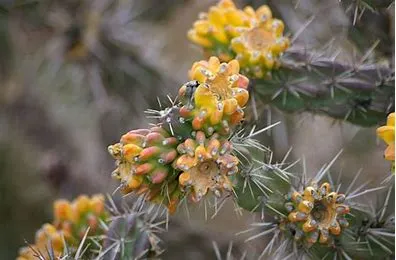
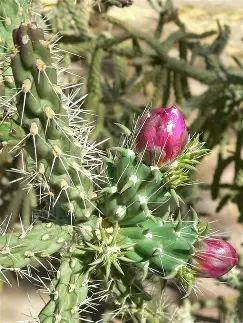
Cylindropuntia is a genus of cacti (family Cactaceae), containing species commonly known as chollas (/ˈtʃɔɪəz/), native to northern Mexico and the Southwestern United States. They are known for their barbed spines that tenaciously attach to skin, fur, and clothing. Stands of cholla are called cholla gardens.
Cylindropuntia was formerly treated as a subgenus of Opuntia, but have now been separated based on their cylindrical stems (Opuntia species have flattened stems) and the presence of papery epidermal sheaths on the spines (Opuntia has no sheaths
Kingdom:Plantae
Clade:Tracheophytes
Clade:Angiosperms
Clade:Eudicots
Order:Caryophyllales
Family:Cactaceae
Subfamily:Opuntioideae
Tribe:Cylindropuntieae
Genus:Cylindropuntia
Habitat
Cholla occurs on clay and clay loam soils or foothills in West Texas, especially in the High Plains and Trans-Pecos regions. It occurs on elevations ranging from 1,800 to 6,000 ft or 548 to 1829 m. Cholla is distributed from Texas, northward to Kansas and Colorado, and westward to New Mexico and Arizona. It has a very high heat tolerance. Cholla grows in a variety of habitats including grasslands, scrublands, and deserts.
Exploring the Different Varieties
The Cylindropuntia genus encompasses a diverse range of species, each with its own unique characteristics and growth habits. Let’s explore some of the most fascinating and sought-after varieties:
1. Cylindropuntia Imbricata (Tree Cholla)
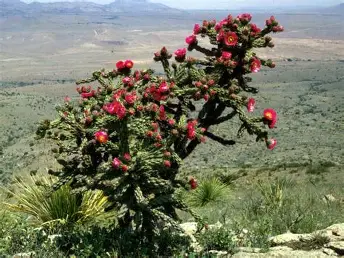
Cylindropuntia imbricata, also known as the tree cholla or diamond cholla, is a tree-like cactus that can reach heights of up to 15 feet. It features cylindrical stems with overlapping scales that resemble the pattern of reptile skin. This species produces vibrant yellow flowers and can be found in parts of the southwestern United States and northern Mexico.
2. Cylindropuntia echinocarpa (Silver Cholla)
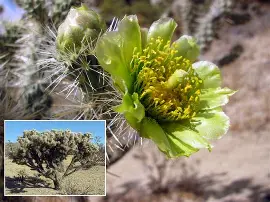
Cylindropuntia echinocarpa, commonly referred to as the silver cholla, is a low-growing cactus with compact cylindrical stems covered in silver-gray spines. This species is native to Baja California and produces showy pink or purple flowers.
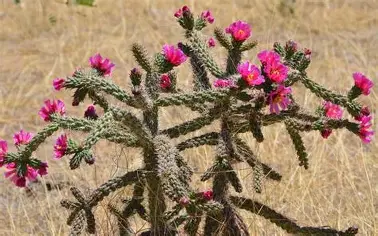
3. Cylindropuntia spinosior (Cane Cholla)
The cane cholla, scientifically known as Cylindropuntia spinosior, is a shrubby cactus that forms dense clusters. It has cylindrical stems that can reach lengths of 6 feet or more. This species is recognized for its vibrant red or orange flowers and is native to the southwestern United States and northern Mexico.
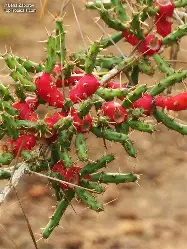
4. Cylindropuntia leptocaulis (Pencil Cholla)
Cylindropuntia leptocaulis, commonly referred to as the pencil cholla, is a slender cactus with tall thin stems that resemble pencils. This species is native to the Sonoran Desert and produces yellow flowers. It is known for its ability to form dense thickets.
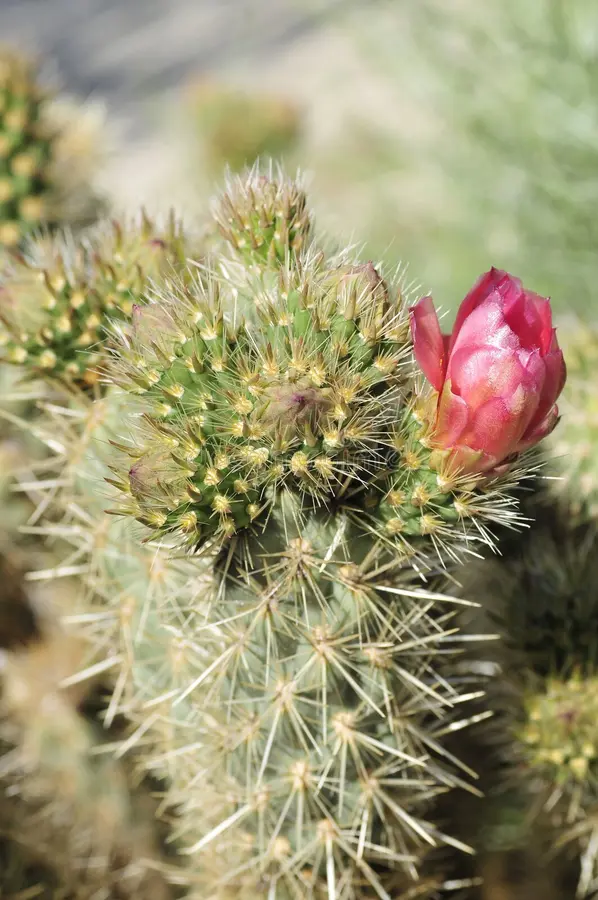
5. Cylindropuntia fulgida (Jumping Cholla)
The Cylindropuntia Fulgida, commonly referred to as the Jumping Cholla, is a cactus native to the Sonoran Desert, recognized for its segmented, cylindrical stems covered in sharp spines that seem to “jump” onto passersby when brushed, due to their ease of detachment. The plant produces striking pink to lavender flowers and yellow-green fruit, thriving in arid environments, and it’s often admired for its unique, albeit prickly, appearance and its ability to endure in harsh desert climates.
Choosing the Right Soil
Proper soil composition is crucial for the well-being of Cylindropuntia cacti. Their unique water storage abilities and susceptibility to root rot require a well-draining soil mix. Here’s how to choose the right soil for your Cylindropuntia:
1. Sandy Soil: Cylindropuntia cacti prefer a soil mix that contains a high amount of sand. Sand promotes drainage and aeration, preventing waterlogged conditions. Choose a sandy soil with a coarse texture to ensure proper water movement.
2. Perlite: Adding perlite to the soil mix aids in creating a porous environment that allows excess water to drain away from the roots. This prevents water from accumulating around the roots, reducing the risk of root rot.
3. Organic Matter: Incorporating organic matter, such as compost or coconut coir, into the soil mix helps improve moisture retention without sacrificing drainage. Vermiculite can also be added to increase water retention.
Combine these components in a ratio of 2 parts sandy soil, 1 part perlite, and 1 part organic matter to create a well-draining soil mix suitable for Cylindropuntia cacti.
Watering and Irrigation Tips for Thriving Cylindropuntia
Effective watering and irrigation practices are essential for the health and vitality of Cylindropuntia cacti. Follow these tips to ensure your plants receive the right amount of water:
1. Watering Frequency: These cacti are drought-tolerant and prefer infrequent but deep watering. Water thoroughly, allowing water to soak into the soil and reach the root system. Wait until the soil has fully dried out before watering again.
2. Avoid Overwatering: Cylindropuntia cacti are susceptible to root rot caused by overwatering. Ensure the soil is completely dry before watering. If in doubt, it’s better to underwater than overwater.
3. Seasonal Adjustments: Adjust your watering routine based on the season. During the active growing season (spring and summer), increase watering frequency. In the dormant season (fall and winter), reduce watering to mimic the plant’s natural cycle.
4. Watering Method: Water Cylindropuntia cacti at the base of the plant, aiming for the soil rather than the stems or spines. Avoid overhead watering, as excessive moisture on the stems can lead to rot or fungal diseases.
By following these watering and irrigation tips, you can help your Cylindropuntia cacti thrive and prevent common issues associated with improper watering practices.
Caring for Cylindropuntia: Maintenance and Troubleshooting
Pruning and Shaping Cylindropuntia Cacti
Pruning and shaping Cylindropuntia cacti not only helps maintain their compact form but also encourages healthier growth. Here are some important tips for pruning and shaping your Cylindropuntia:
1. Protective Gear: Cylindropuntia cacti have sharp spines that can cause injury. Before pruning, ensure you wear thick gloves, long sleeves, and eye protection to safeguard yourself from the plant’s spines.
2. Timing: Prune Cylindropuntia cacti during the dormant period, ideally in late winter or early spring before new growth begins. This allows the plant to recover and minimize stress.
3. Removing Dead or Damaged Segments: Use sterilized pruning shears or a sharp knife to carefully remove dead or damaged segments from the cactus. Make clean cuts as close to the base as possible.
4. Shaping: To control the shape and size of your Cylindropuntia, selectively prune stems as needed. Focus on removing excessive growth or crossing branches to maintain an aesthetically pleasing form.
Remember to dispose of pruned segments properly and avoid contact with the spines. Regular pruning not only enhances the appearance of your Cylindropuntia cacti but also promotes overall health and longevity.
Protection from Pests and Diseases
Cylindropuntia cacti are generally hardy and resistant to pests and diseases. However, certain issues can still arise. Here are some common pests and diseases that may affect Cylindropuntia and how to protect your plants:
1. Scale Insects: These tiny pests appear as raised bumps on the stems. Use a cotton swab dipped in rubbing alcohol to gently remove them from the plant. If the infestation is severe, consider using natural insecticidal soap.
2. Spider Mites: Spider mites are a common pest that can cause leaf stippling and webbing. Rinse the plant thoroughly with water to dislodge the mites. Introducing beneficial insects, such as ladybugs, can help control their population.
3. Root Rot: Overwatering or poorly draining soil can lead to root rot in Cylindropuntia cacti. To prevent this, ensure the soil is well-draining and adjust your watering practices accordingly.
4. Fungal Diseases: Excessive moisture or high humidity can promote the development of fungal diseases, such as powdery mildew or stem rot. Ensure good air circulation around the plants and avoid overhead watering to minimize the risk of fungal issues.
Vigilance is key when it comes to pest and disease management. Regularly inspect your Cylindropuntia cacti for any signs of pests or diseases and take prompt action to prevent further damage.
Overcoming Common Challenges in Caring
While Cylindropuntia cacti are relatively low-maintenance, they can face certain challenges. Here are some common issues you may encounter when caring for Cylindropuntia and how to overcome them:
1. Sunburn: Cylindropuntia cacti are sun-loving plants, but prolonged exposure to intense sunlight can cause sunburn. If you notice discoloration or white patches on the stems, provide temporary shade or move the plant to a location with indirect sunlight.
2. Improper Watering: Overwatering can lead to root rot, while underwatering can cause dehydration. Ensure you understand the watering requirements of your specific Cylindropuntia species and adjust accordingly.
3. Stem Breakage: The segmented stems of Cylindropuntia cacti can be fragile and prone to breakage, particularly if they are overcrowded or exposed to strong winds. Provide adequate spacing between plants and consider staking taller specimens to prevent breakage.
4. Nutrient Deficiencies: Cylindropuntia cacti are generally resilient and can thrive in nutrient-poor soils. However, if you notice signs of nutrient deficiencies, such as yellowing or stunted growth, consider applying a balanced cactus fertilizer to provide the necessary nutrients.
By being aware of these challenges and implementing appropriate measures, you can ensure the optimal health and longevity of your Cylindropuntia cacti.
Propagating and Repotting Cylindropuntia Cacti
Methods of Propagating
Propagating Cylindropuntia cacti allows you to expand your collection and share these unique plants with others. Here are three common methods of propagating Cylindropuntia:
1. Seed Propagation: Collect ripe fruits from a mature Cylindropuntia plant and extract the seeds. Sow the seeds in a well-draining cactus mix and keep them warm and moist until germination occurs.
2. Stem Cuttings: Take stem cuttings from a healthy Cylindropuntia plant during the growing season. Allow the cut ends to callus for a few days before inserting them into a pot filled with well-draining cactus soil. Keep the soil lightly moist until the cuttings establish roots.
3. Segment Division: Carefully divide larger Cylindropuntia plants into smaller segments with a sterile knife. Ensure each segment has at least one joint or pad. Let the cut ends dry out and callus before planting them in a well-draining cactus mix.
When propagating Cylindropuntia, it’s crucial to provide optimal growing conditions and ensure the newly propagated plants receive appropriate care to encourage root development and establishment.
When and How to Repot Cylindropuntia Cacti
Repotting Cylindropuntia cacti is necessary when the plant outgrows its current container or when the soil becomes depleted. Here’s when and how to repot your Cylindropuntia:
1. Timing: The best time to repot Cylindropuntia cacti is during the active growing season, typically in spring or early summer. Avoid repotting during the dormant period.
2. Choosing a New Container: Select a new container that is slightly larger than the current one. Ensure the container has drainage holes to prevent waterlogging.
3. Soil and Transplantation: Prepare a well-draining cactus mix using sandy soil, perlite, and organic matter. Carefully remove the plant from its current pot, gently loosen the roots, and place it in the new container. Fill any gaps with fresh soil, ensuring the plant is positioned at the same depth as before.
4. Watering and Care: After repotting, avoid watering the plant for a week to allow any root damage to heal. Resume regular watering practices once the plant has fully acclimated to its new container.
Repotting Cylindropuntia cacti not only provides the plant with fresh, nutrient-rich soil but also allows for better root development and growth.
Ensuring Successful Transplantation
Transplanting Cylindropuntia cacti requires careful consideration and proper technique to ensure a successful transition. Here are some key factors to keep in mind:
1. Preparation: Prepare the new planting spot or container in advance, ensuring it provides the ideal growing conditions for Cylindropuntia.
2. Timing: Transplant it during the active growing season, when the plant is better equipped to handle the stress of transplantation.
3. Digging and Handling: Gently dig around the base of the plant, ensuring you avoid damage to the roots. Support the stem segments or pads while lifting the plant out of the ground or pot to prevent breakage.
4. Planting: Immediately place the transplanted plant in its new location or container, ensuring it is planted at the same depth as before. Backfill with well-draining soil and firm it gently around the roots to provide stability.
5. Watering: After transplantation, water the plant lightly to settle the soil and encourage root establishment. Avoid overwatering, as this can lead to rot or transplant shock.
By following these guidelines and giving your cacti the necessary care and attention during transplantation, you can increase the chances of a successful and seamless transition.
In conclusion, Cylindropuntia cacti are a captivating addition to any succulent collection. Their unique cylindrical stems, vibrant flowers, and resilience make them stand out among other cacti species. By providing optimal growing conditions, choosing the right soil, practicing appropriate watering techniques, and implementing proper care and maintenance, you can ensure the health and longevity of your Cylindropuntia cacti. Additionally, understanding propagation methods and how to successfully transplant these cacti allows you to expand your collection and share these remarkable plants with others. With their fascinating features and diverse varieties, Cylindropuntia cacti prove to be a delightful and rewarding addition to any gardener’s repertoire.