
Sub-Total: $0.00
International Flower Day; Jan 19
HISTORY OF NATIONAL FLOWER DAY
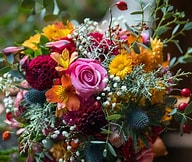
The earliest connection between flowers and their importance to humans’ dates back to the paleolithic age with the discovery of flower fossils. Similarly, gifting flowers has always been central to life and culture. Across civilizations, flowers would feature prominently in ancient myths and stories. The Ancient Greeks revered flowers and associated them with several Gods.
Flowers have bloomed on Earth and in our hearts throughout history as we know it. They bring an extra spring to our steps. Add color to mundane days. Flowers can convey love, joy, and strength through every season or reason. Their fragrance and beauty bring cheer to anyone’s day.
While I could not find the exact reason this day is celebrated. I will assume it was a marketing ploy by flower growers or florists. Regardless of reason flowers are amazing and I will share a brief history. Enjoy.
History behind the term ‘Flower’
5000 BC
Oldest Evidence of Flower Cultivation
The origins of the term ‘flower’ can be traced back to around 5000 BC, where evidence of flower cultivation begins. Archaeological digs have uncovered ancient remnants of flowers that were intentionally grown, indicating that early civilizations recognized the beauty and significance of these plants. The cultivation of flowers marked the beginning of humans’ fascination with these natural wonders.

3000 BC
Flowers in Ancient Egyptian Culture
During the ancient Egyptian civilization, which lasted from around 3100 BC to 30 BC, flowers played a prominent role in their culture. The Egyptians had a deep appreciation for beauty and used flowers in various aspects of their lives. They adorned their terraces, gardens, and homes with vibrant flowers such as lotus, papyrus, and jasmine. Additionally, flowers held symbolic meanings and were often used in religious ceremonies and funerals.
9th Century
Flower Symbolism in Medieval Europe
In medieval Europe, the symbolism of flowers reached new heights. During this time, the language of flowers, also known as floriography, emerged as a way to communicate sentiments and emotions through the use of specific flowers and arrangements. Each flower held a coded meaning, allowing people to convey messages discreetly. Flowers became a powerful tool for expression, and the term ‘flower’ became associated not only with the physical beauty of the plant but also with the symbolism and cultural significance attached to it.

17th Century
The Dutch Golden Age of Flowers
The 17th century marked the Dutch Golden Age, a period of great wealth and cultural advancements in the Netherlands. One of the notable contributions of this era was the popularity of flower still-life paintings. Dutch artists, such as Jan Brueghel the Elder and Rachel Ruysch, created intricate and detailed artworks showcasing vibrant bouquets of flowers. These paintings not only celebrated the beauty of flowers but also reflected the country’s prosperous trading of exotic blooms. The term ‘flower’ became synonymous with these exquisite artistic representations.
18th Century
Botanical Exploration and Flower Classification
During the 18th century, a surge of botanical exploration and scientific study of flowers took place. Renowned botanists like Carl Linnaeus developed systems for classifying and categorizing plants, and important botanical gardens were established. This period witnessed significant advancements in the understanding of flowers, their reproductive mechanisms, and their ecological roles. The term ‘flower’ became an integral part of botanical terminology, representing the reproductive structure of angiosperms.

19th Century
Flower Symbolism in Victorian Era
The Victorian era, spanning from 1837 to 1901, was characterized by strict social etiquette and a fascination with elaborate symbolism. Flowers played a vital role in this culture, with each flower carrying a specific meaning. Floral arrangements called ‘tussie-mussies’ were popular, and people often exchanged bouquets as a way of sending secret messages. The term ‘flower’ became further intertwined with the intricate symbolism and romantic gestures of the era.
20th Century
Flower Power Movement
In the 1960s and 1970s, the term ‘flower’ acquired a new meaning with the rise of the Flower Power movement. This countercultural movement sought peace, love, and harmony, often symbolized by flowers. Flower power became a symbol of protest against war and political unrest, and individuals adorned themselves with flowers as a statement of unity and nonviolence. The term ‘flower’ now embodied the spirit of social change and the desire for a more peaceful world.
#nationalflowerday