
Sub-Total: $0.00
Santa Barbara Botanical Gardens – Pt 1 Redwood Path
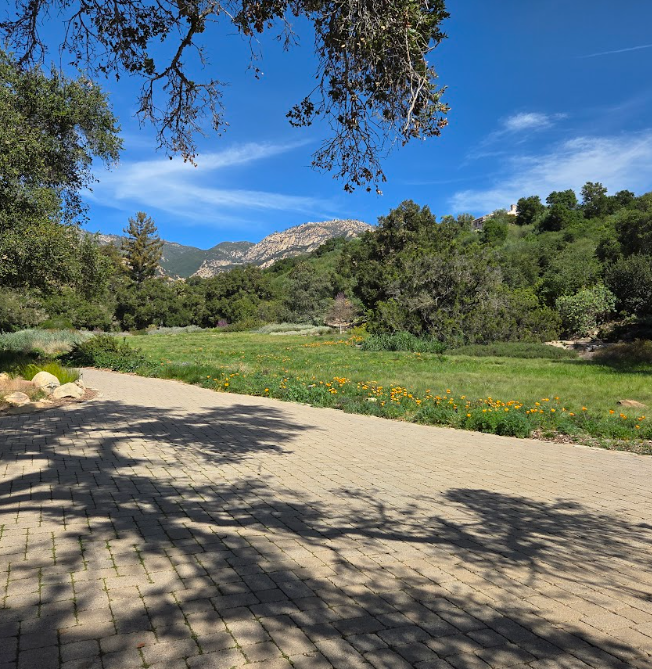
The Santa Barbara Ca Botanical Garden was established in 1926 when local philanthropist Anna Dorina Blaksley Bliss purchased 13 acres in Mission Canyon to create a botanical garden that would unite the aesthetic, the educational, and the scientific. For more history please view web site History – Santa Barbara Botanic Garden So, the botanical garden is celebrating its 100 years of beauty this year.
Uniquely Californian
From rugged coastlines and incredible topography to vast landscapes, California is one of the most biologically rich locations in the United States — and even the world. The state boasts 6,500 varieties of native plants, across an array of habitats, all working together to offer its inhabitants — from insects to humans — a unique place to call home.
Showcasing the state’s diversity and biological wealth, Santa Barbara Botanic Garden invites you to explore the wonder of California all within a day’s visit.
A map of garden
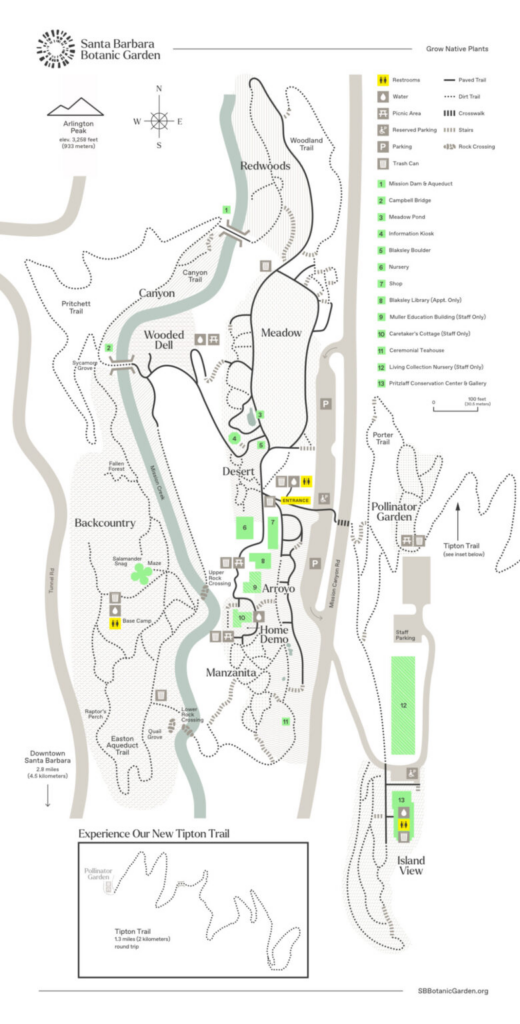
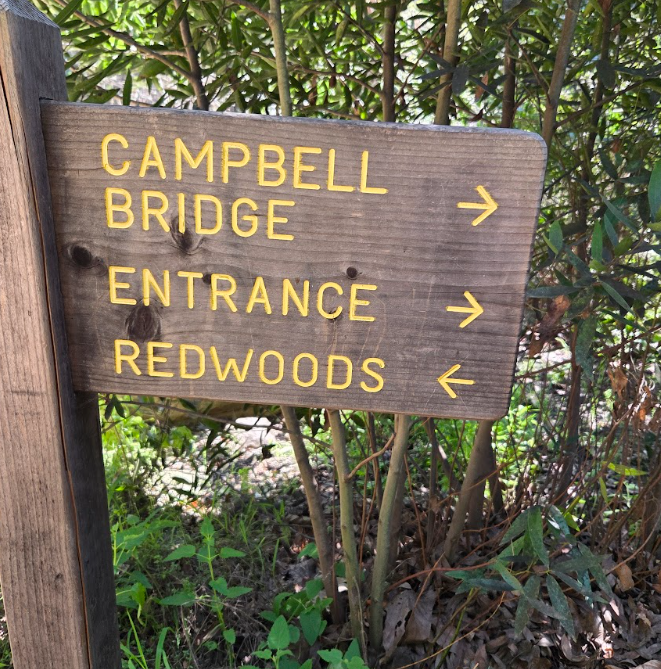
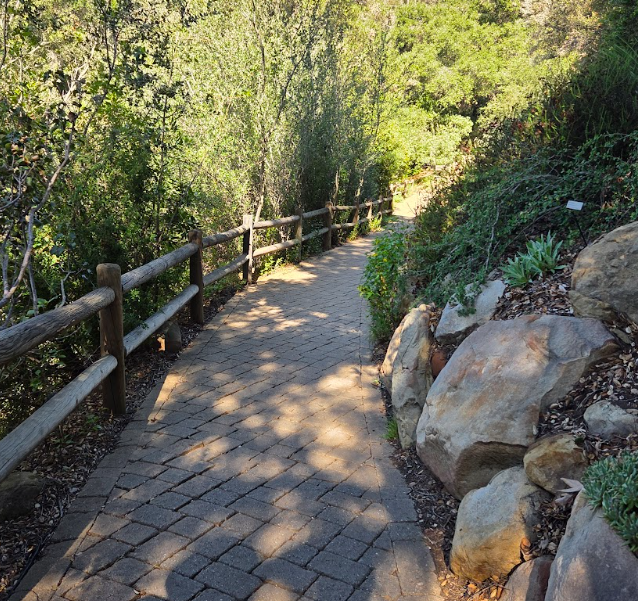
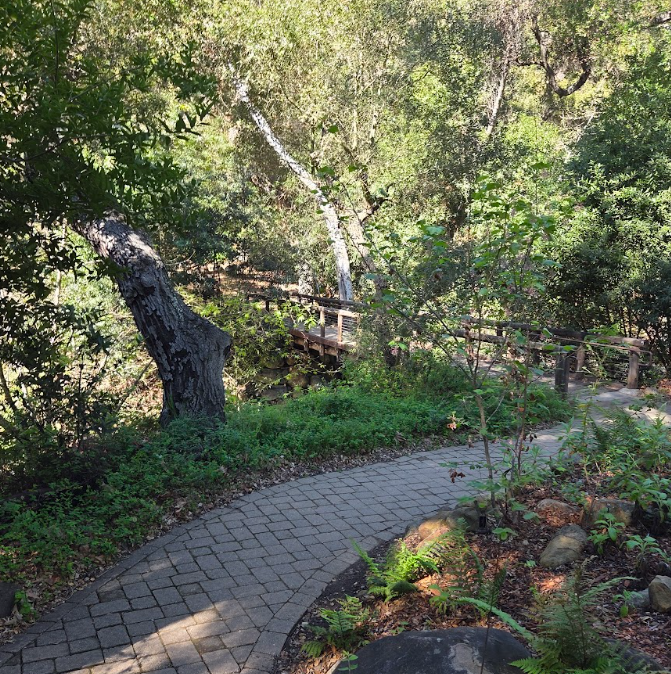
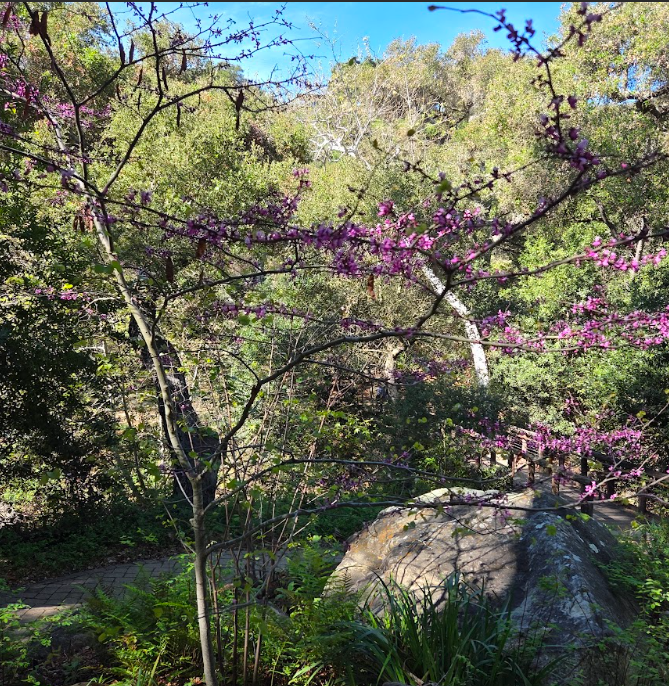
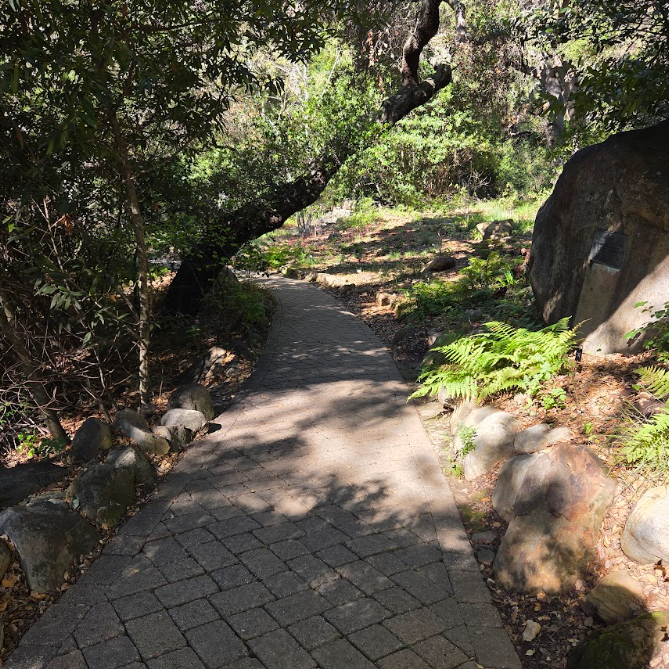
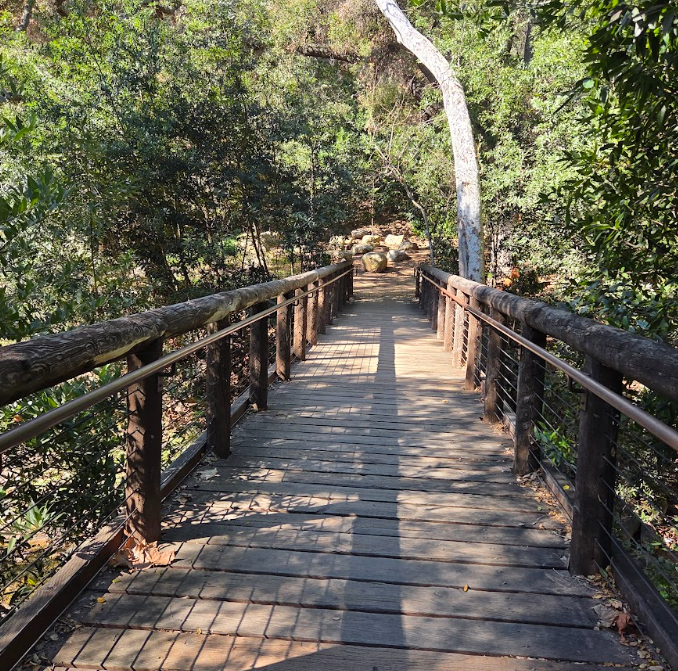
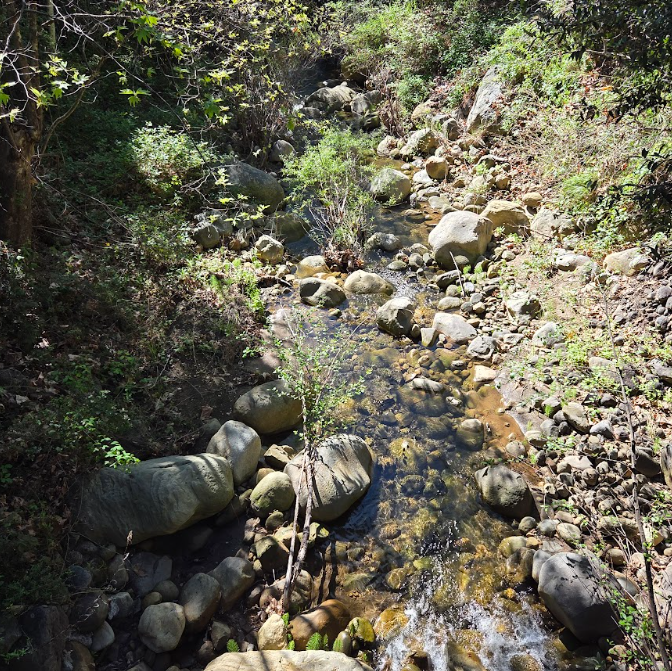
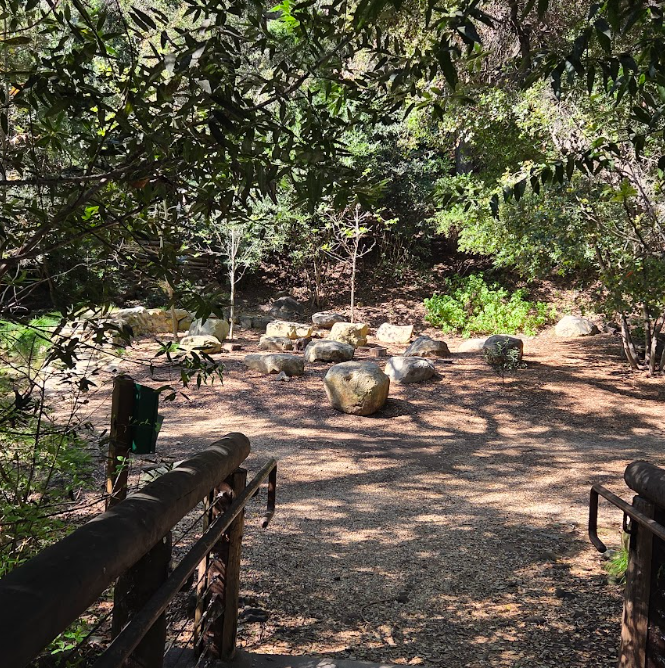
I focus exclusively on the Redwoods area. When I visited in February, most plants had not yet begun to bloom; however, the deep, cool green tones of the vegetation and the flowing creek created a calming and breathtaking atmosphere.
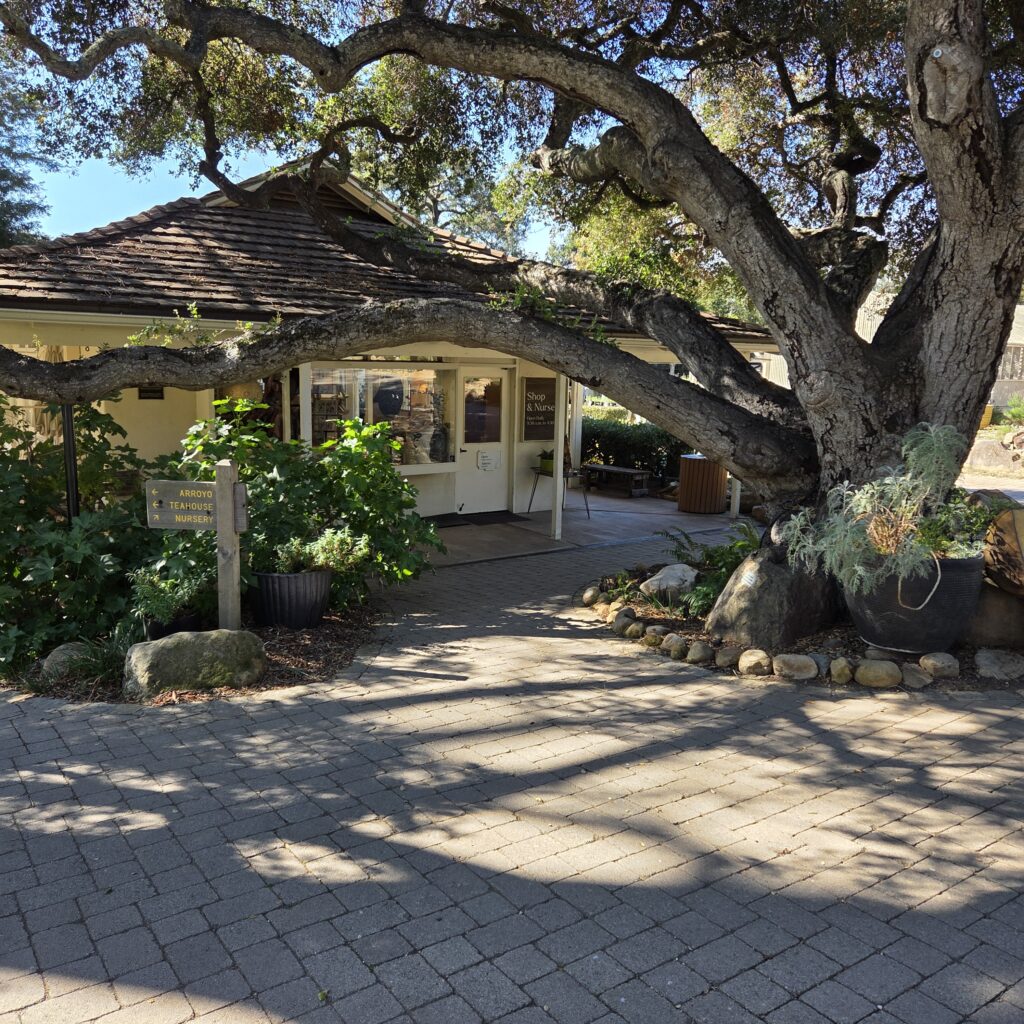
Front Entrance gift shoppe
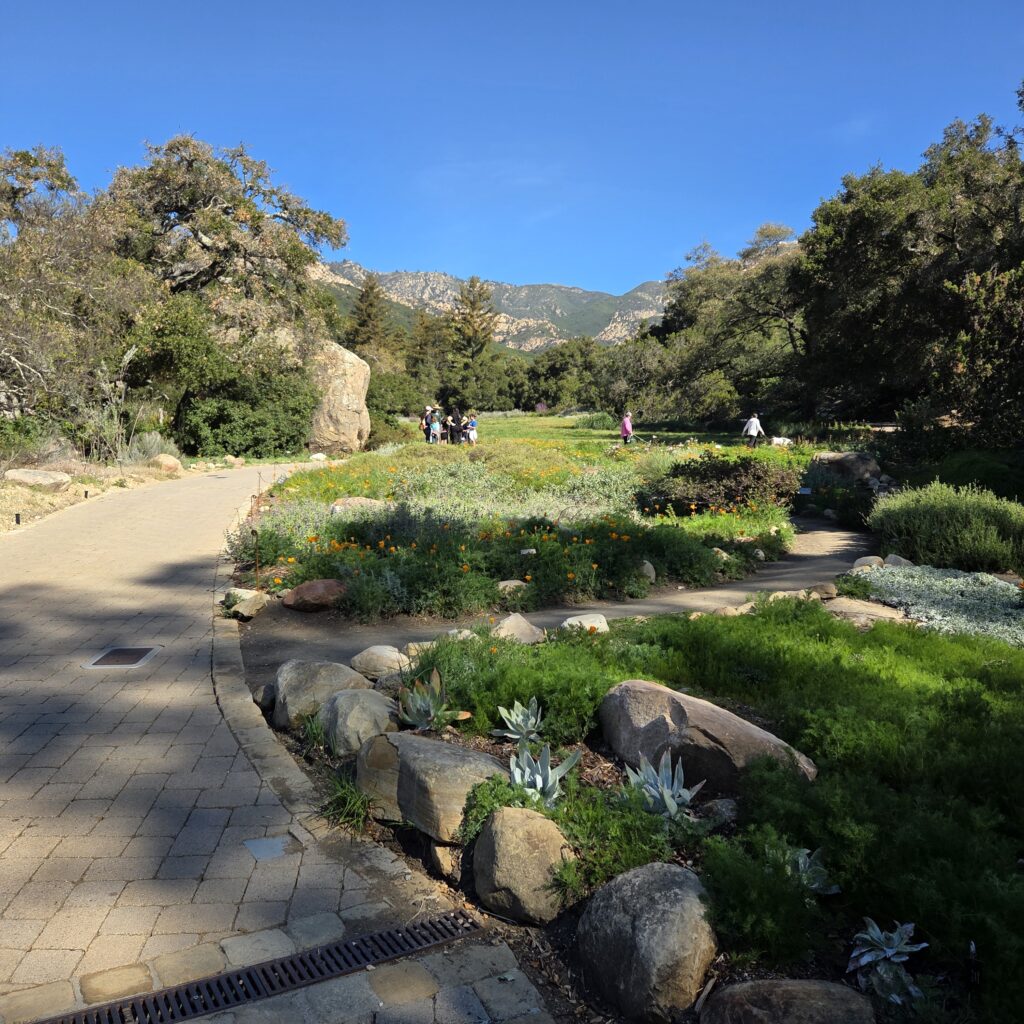
Front view of gardens
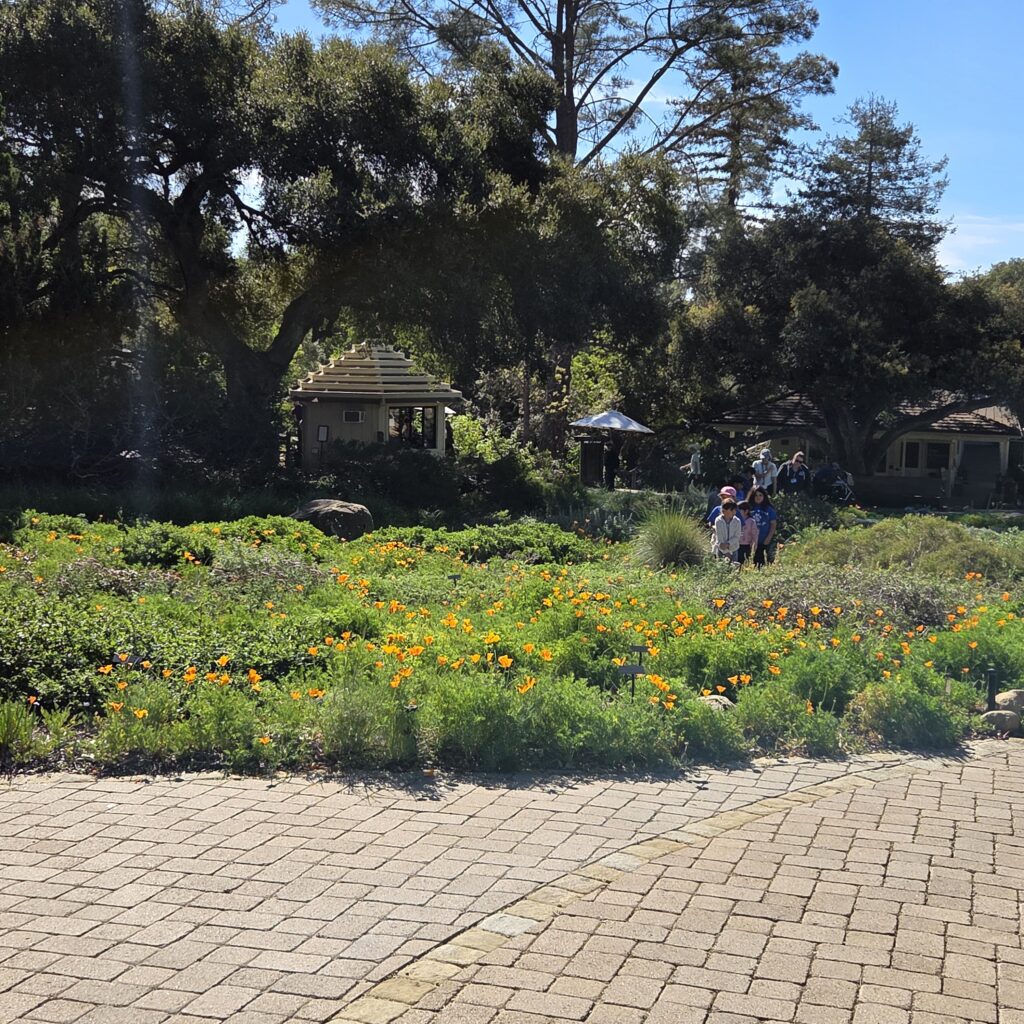
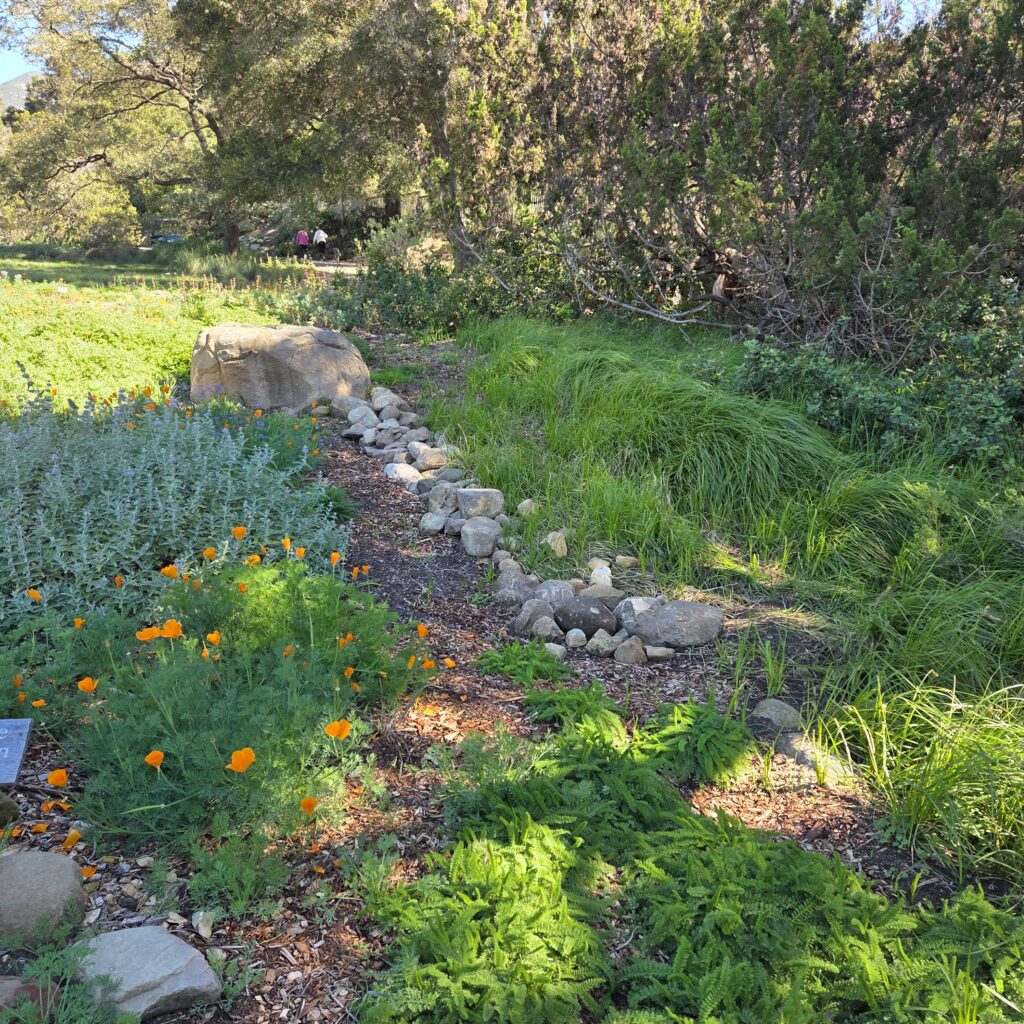
Wildflower meadow at the front entrance
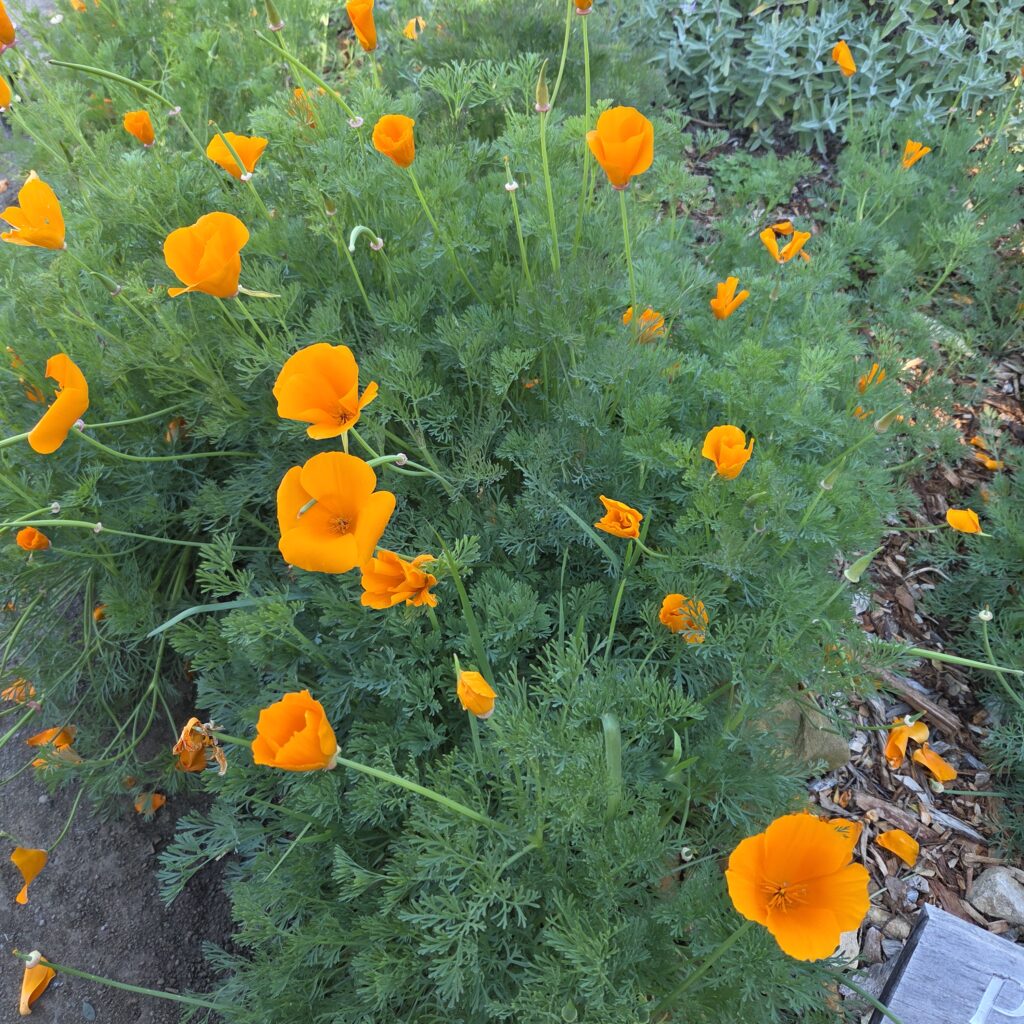
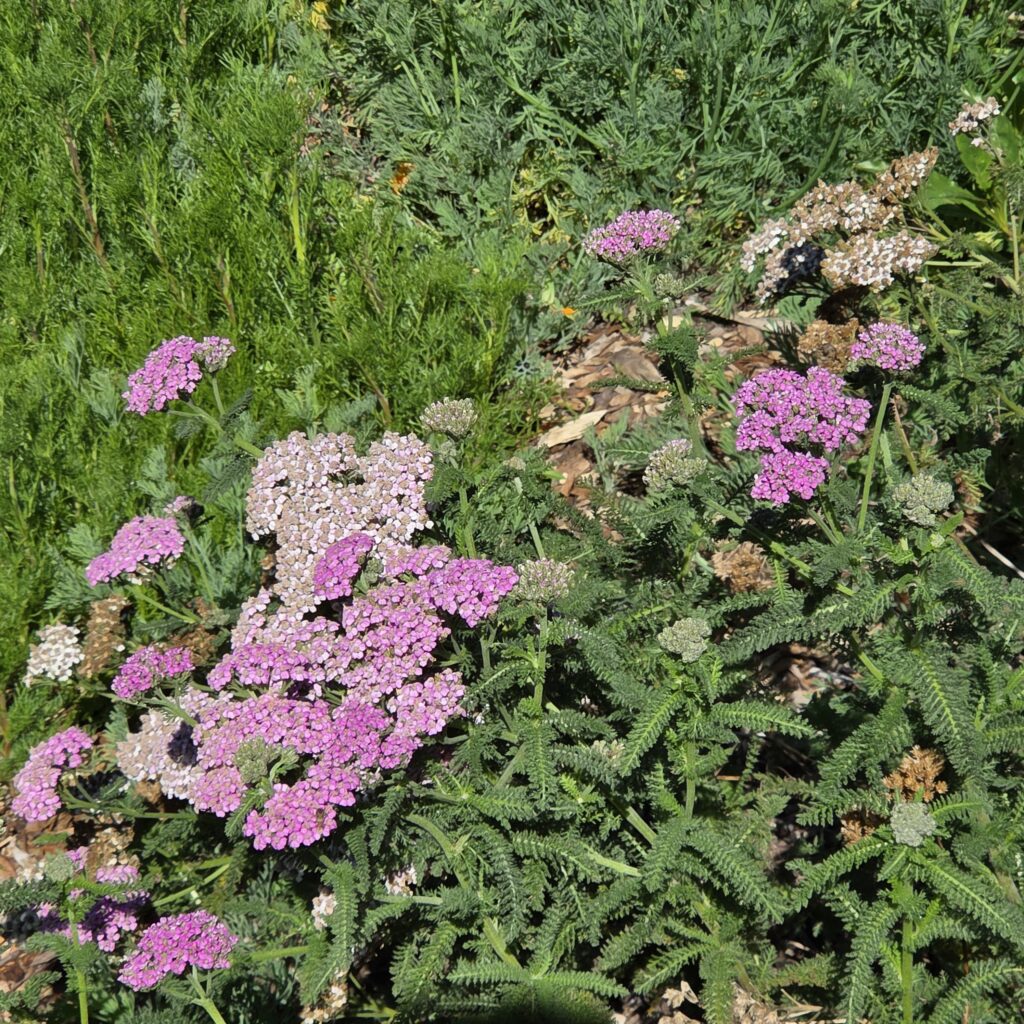
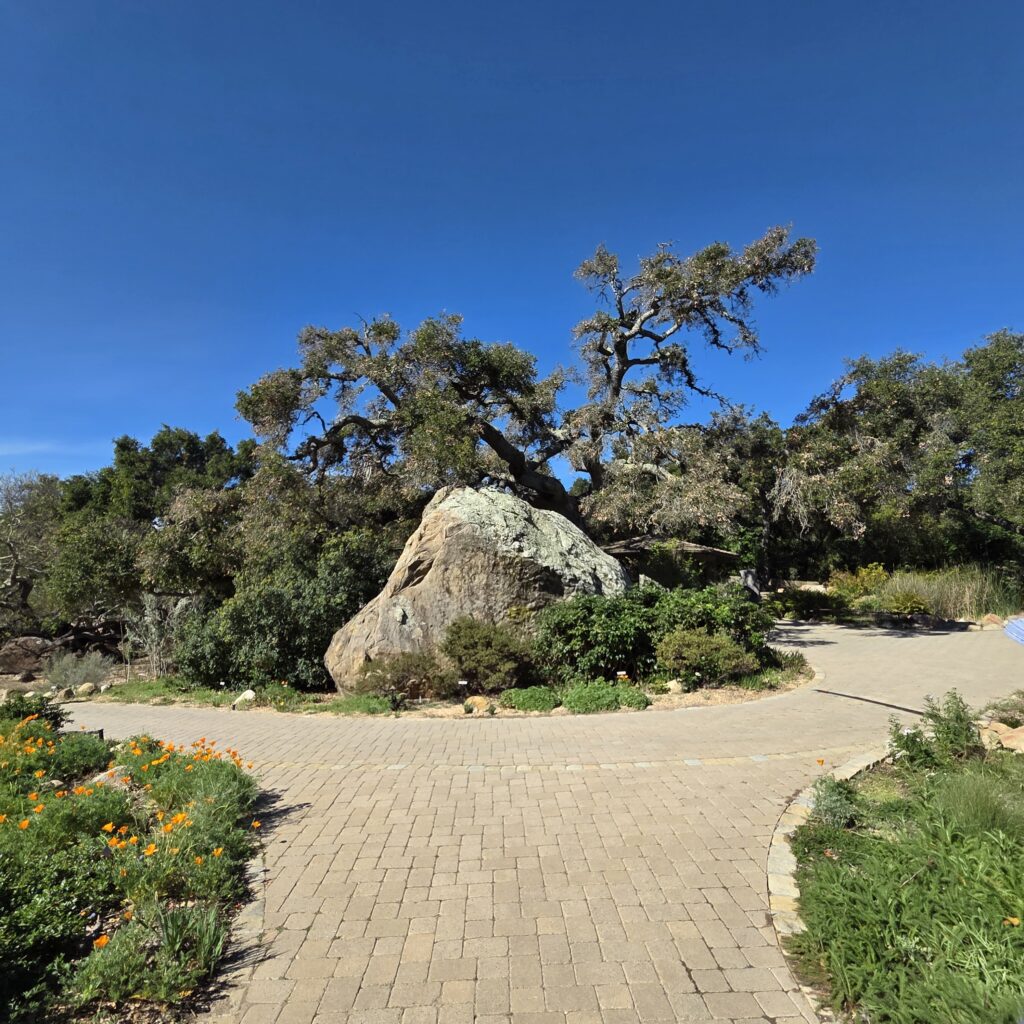
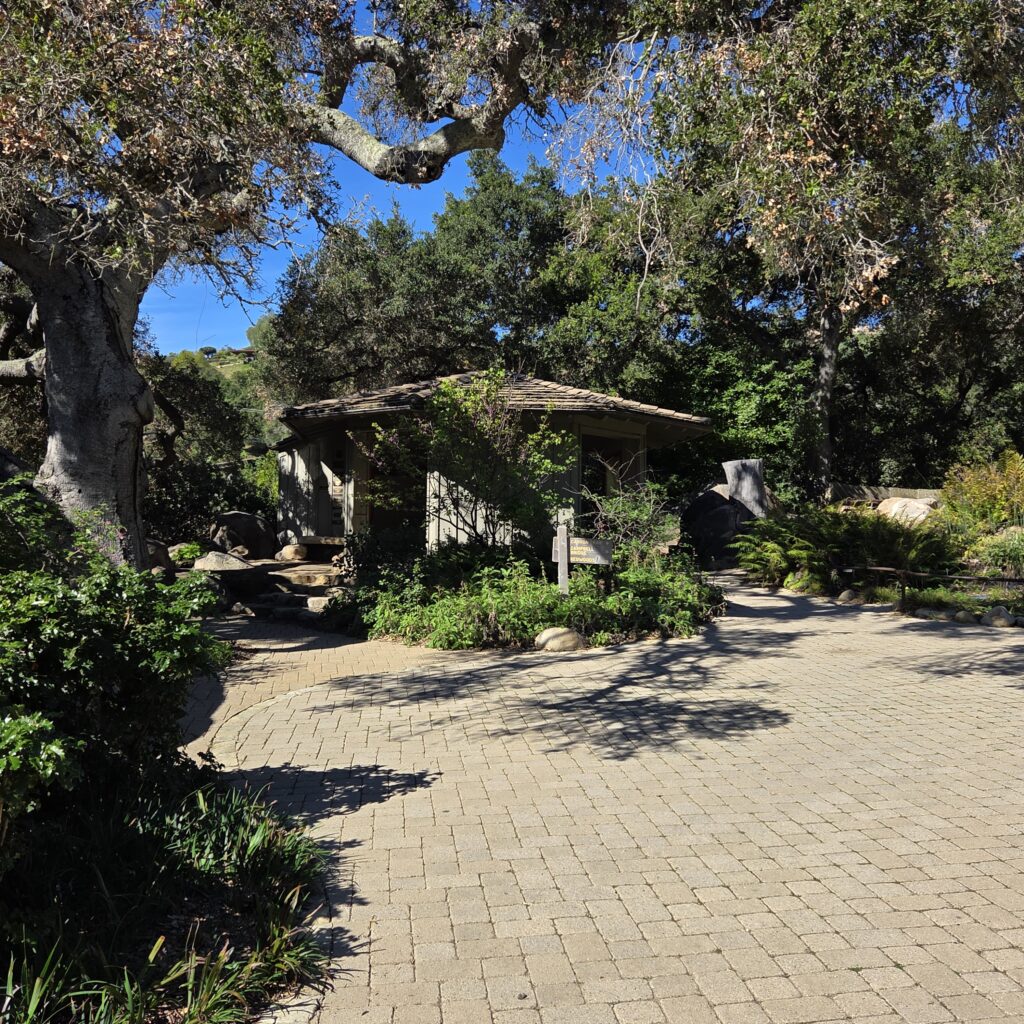
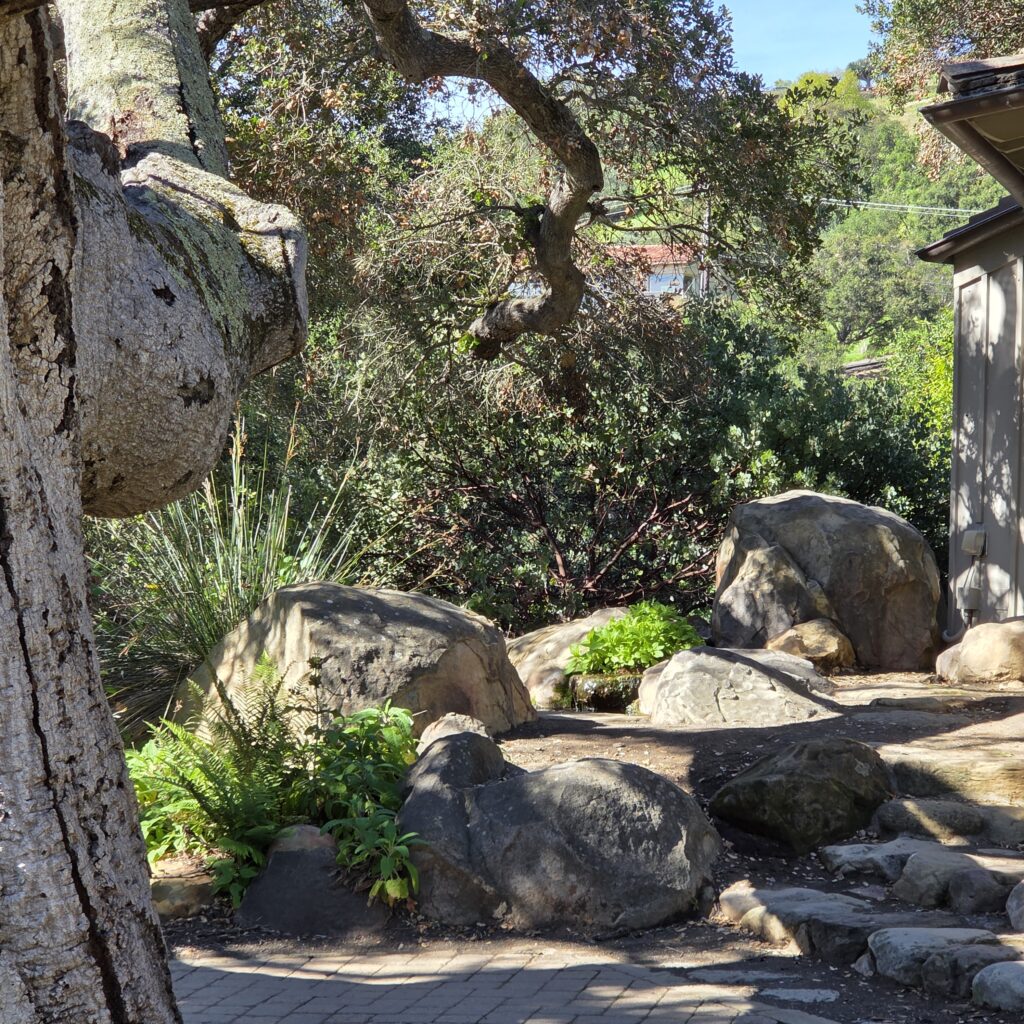
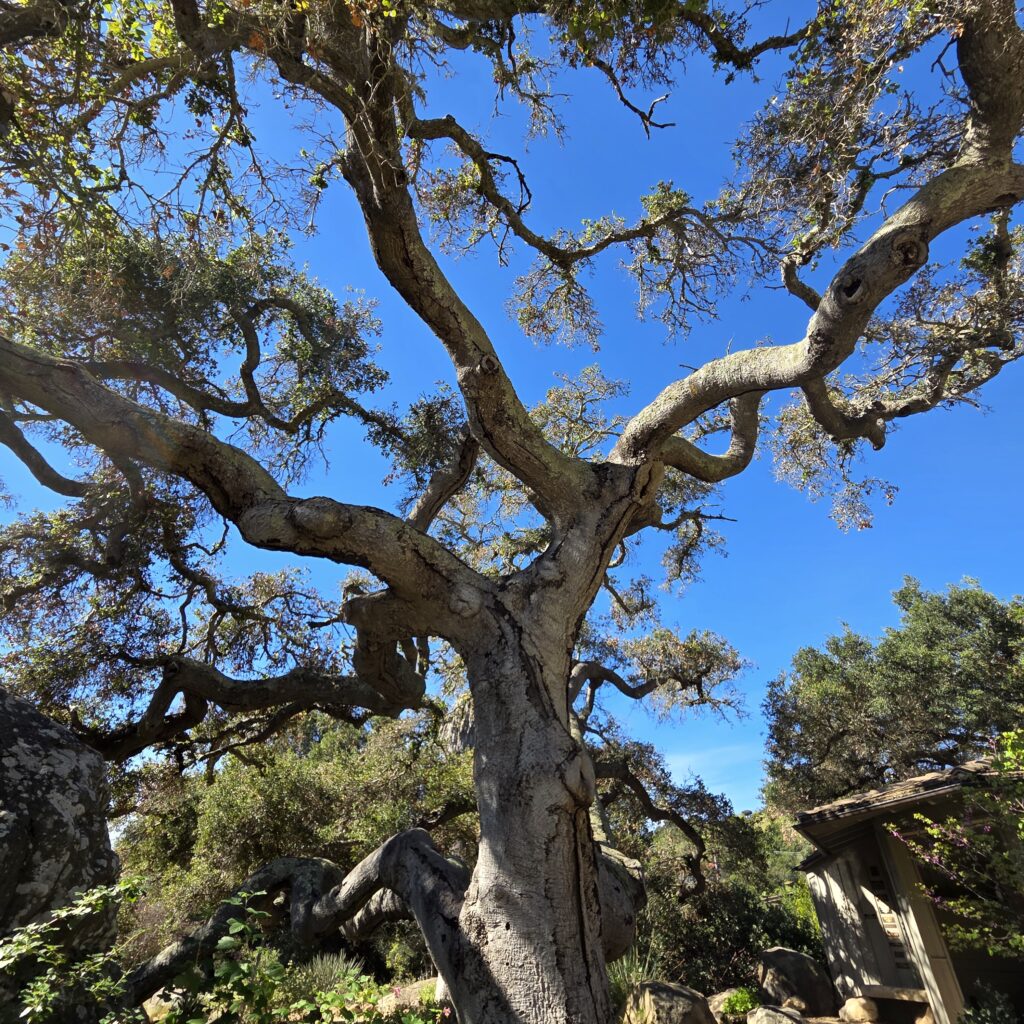
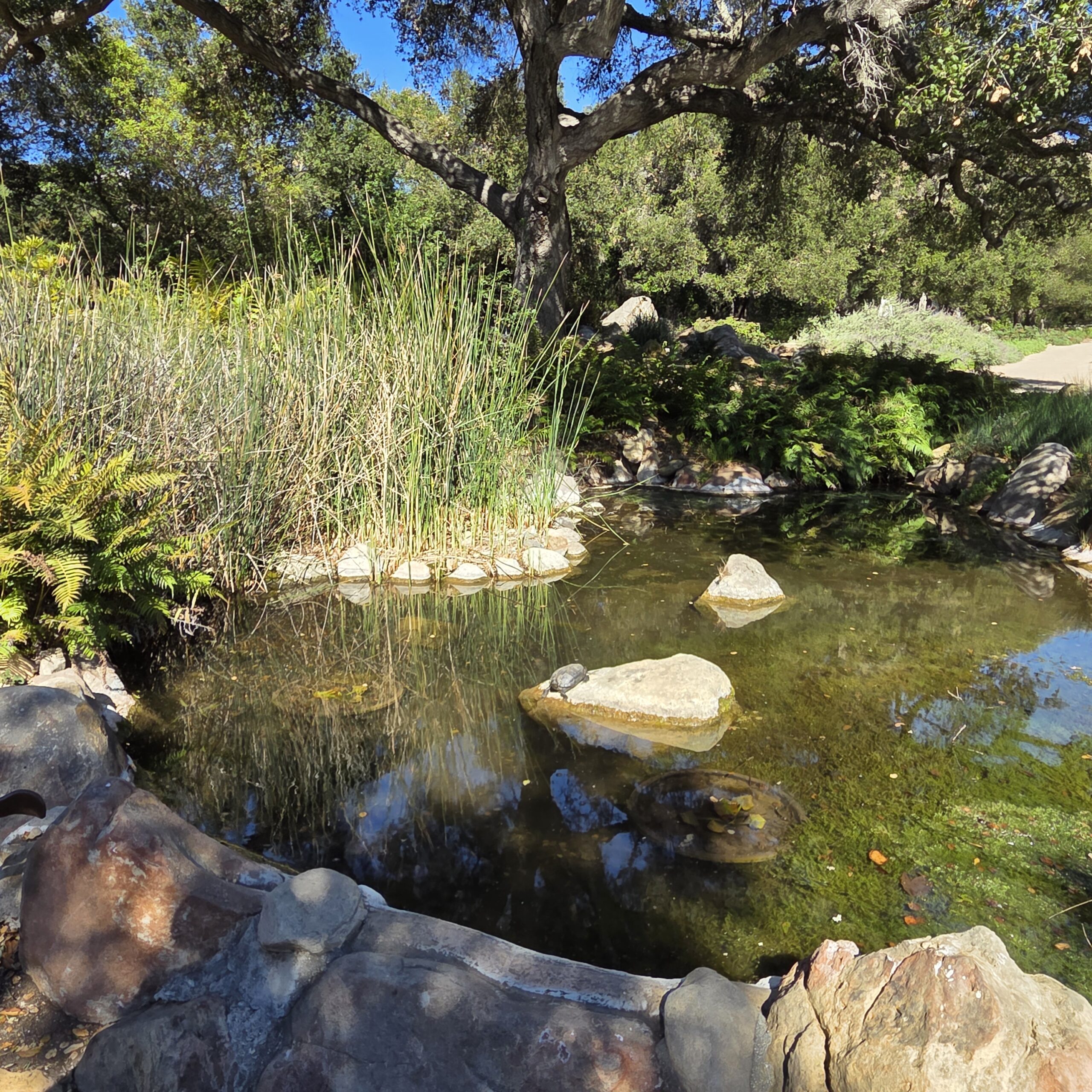
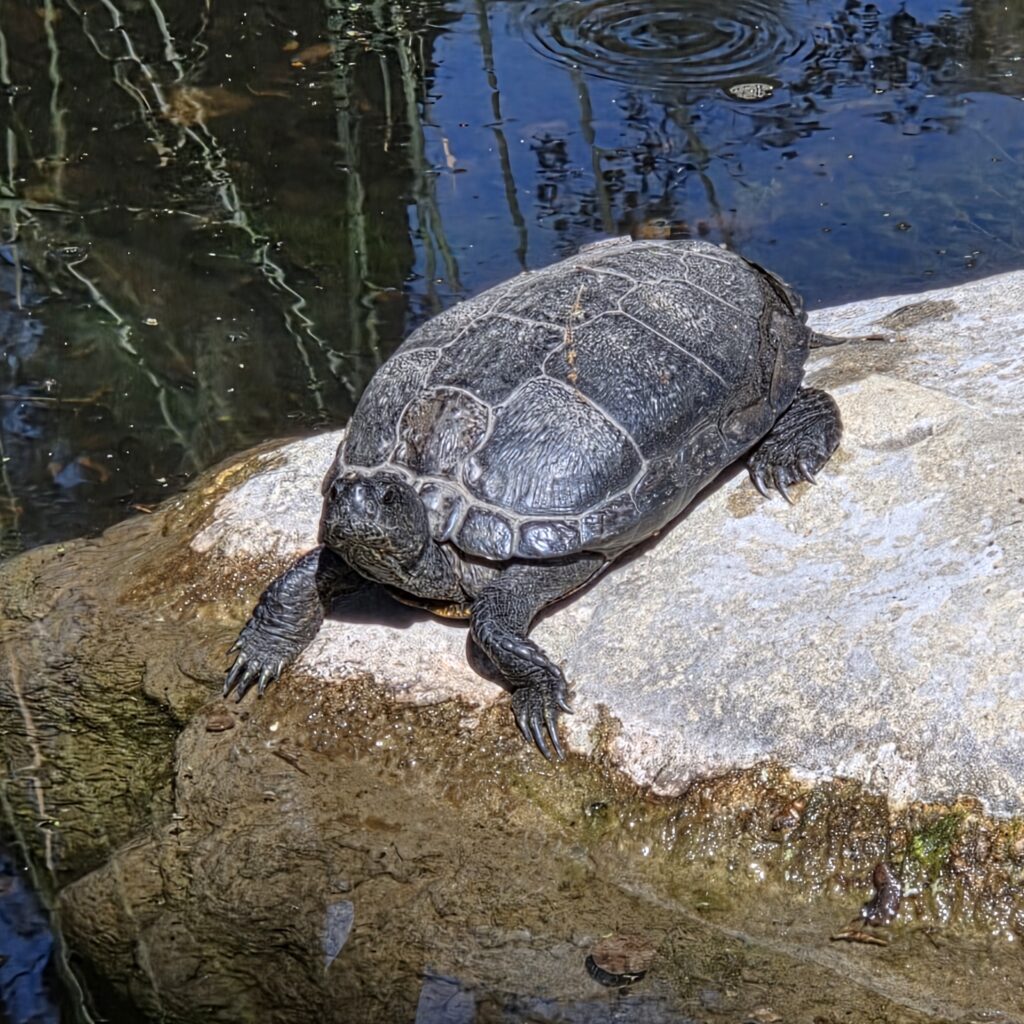
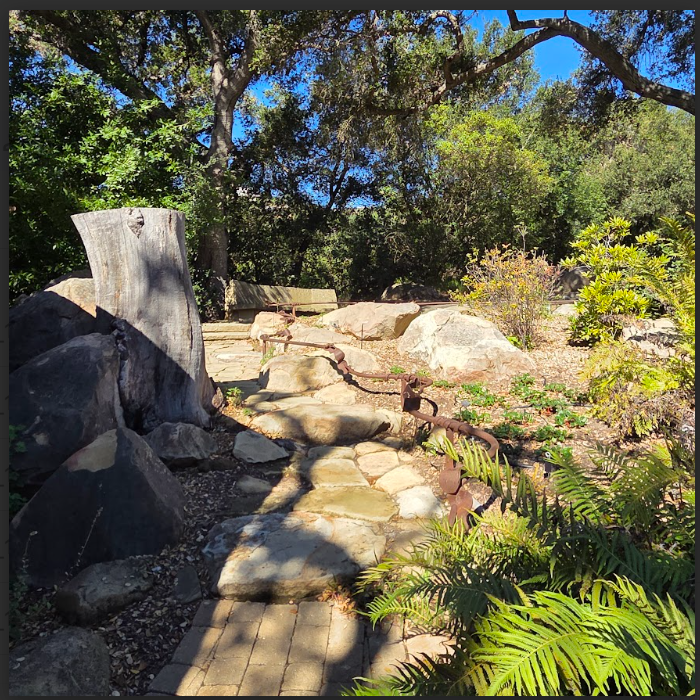
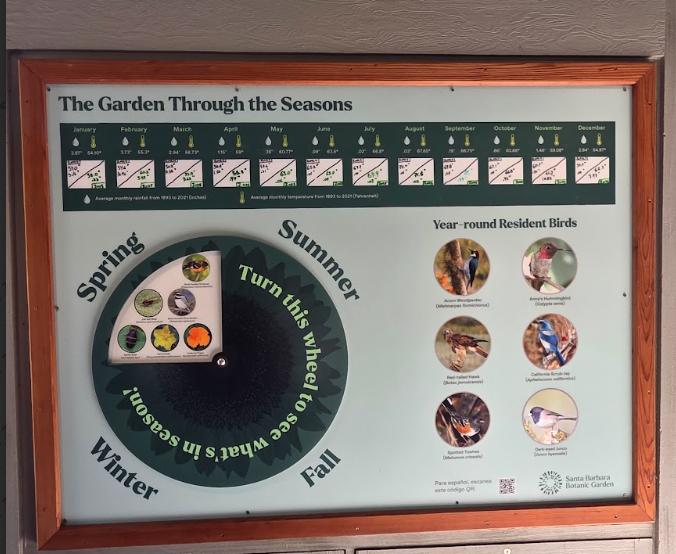
The kiosk near the entrance of Redwood path has several wonderful educational features
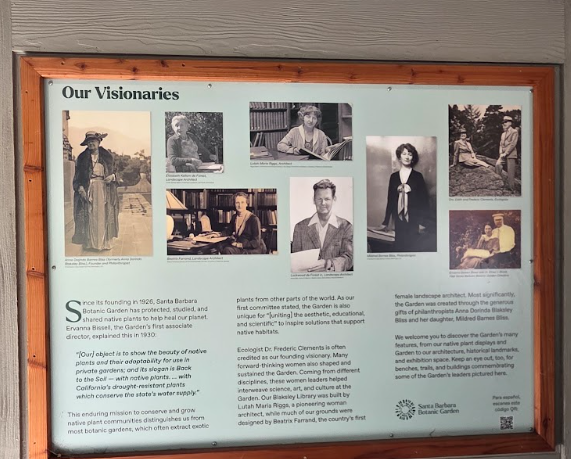
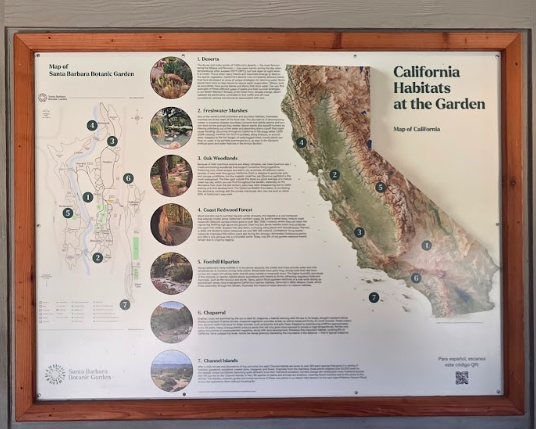
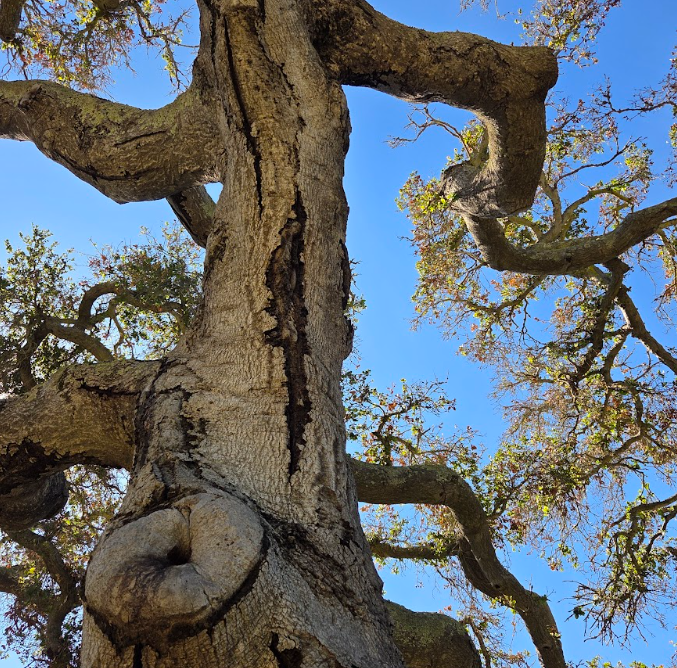
Ancient Trees Saving the Future
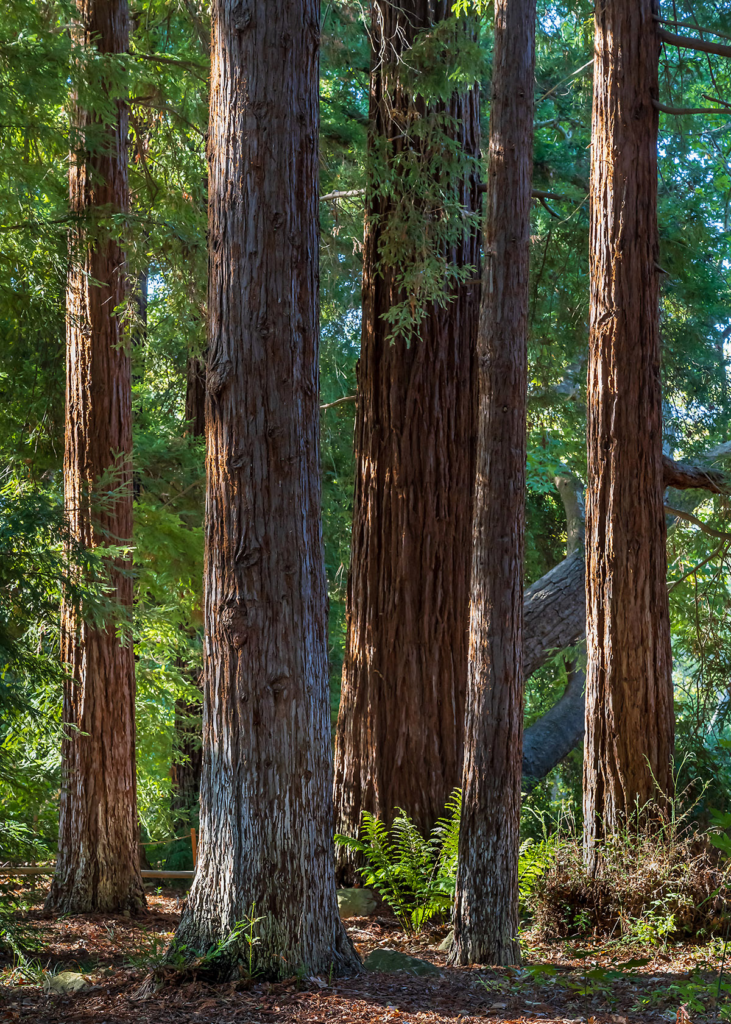
Santa Barbara Botanic Garden’s Redwood Section is a microcosm of the coast redwood (Sequoia sempervirens) community. Redwood forests feature a lush and diverse understory of trees, shrubs, and ferns. Planted in the naturally cool and shady confines of Mission Canyon, these majestic trees are some of the oldest plants at the Garden. The tallest redwood in our collection was last recorded at a height of 160 feet (48 meters).
Redwoods are not only beautiful, but they are also a priceless resource in the fight against climate change. Due to their longevity, redwoods can store more carbon than just about any other species on the planet.
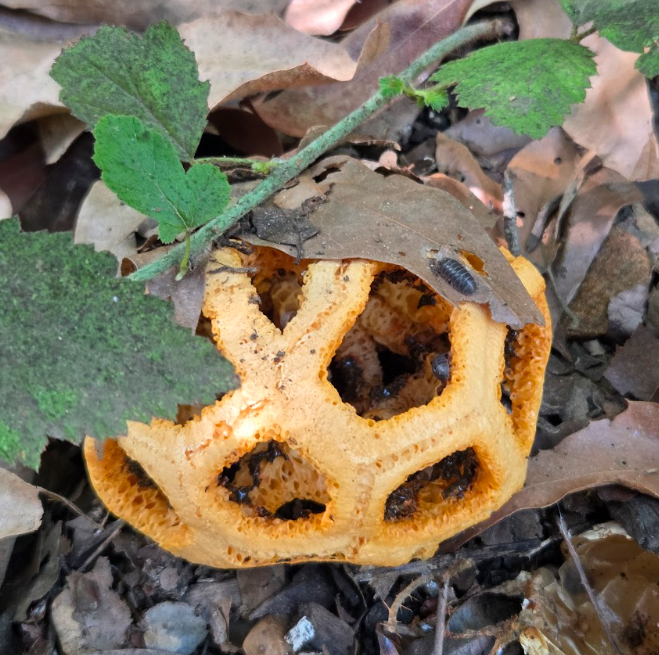
This odd object is a Clathrus ruber fungus commonly known as a latticed stinkhorn, basket stinkhorn, or red cage fungus. I loved watching the Rolly Pollies ( Armadillidium vulgare) crawl all over it. Although the fungus is not considered edible, it is known for its ability to decompose wood and recycle plant debris into soil nutrients.
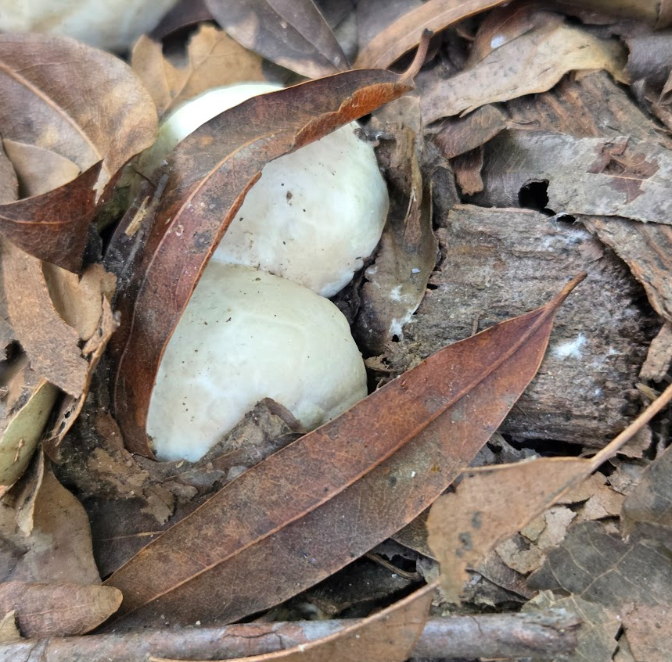
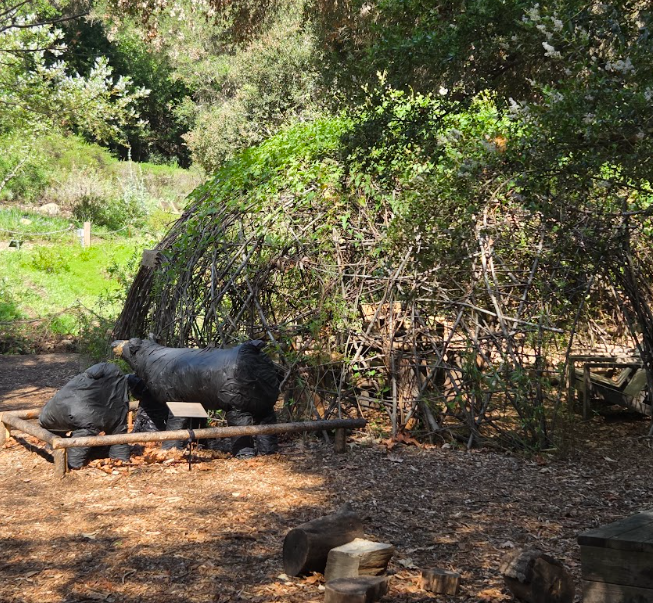
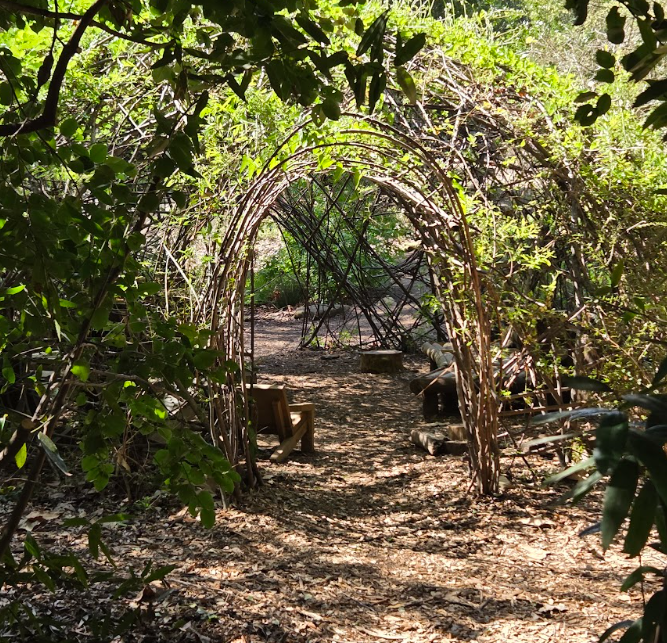
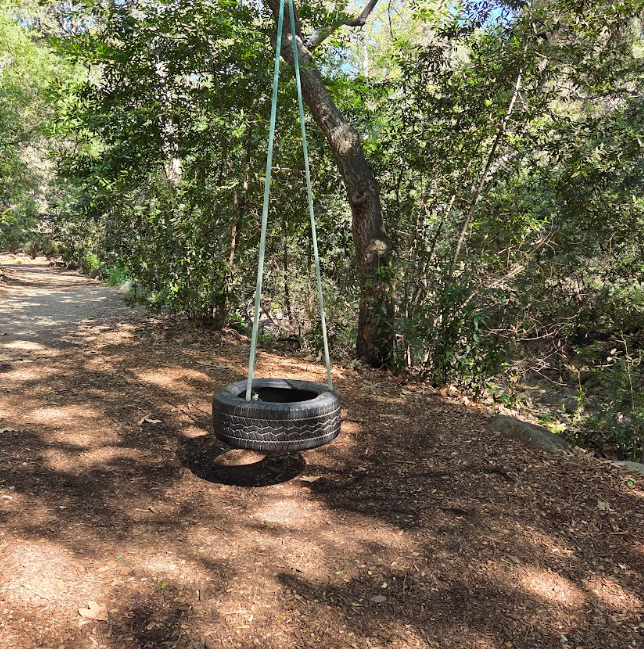
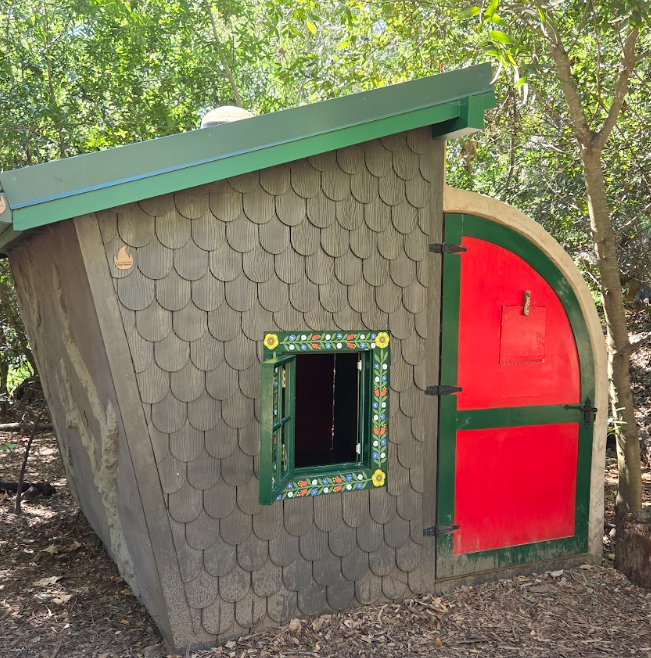
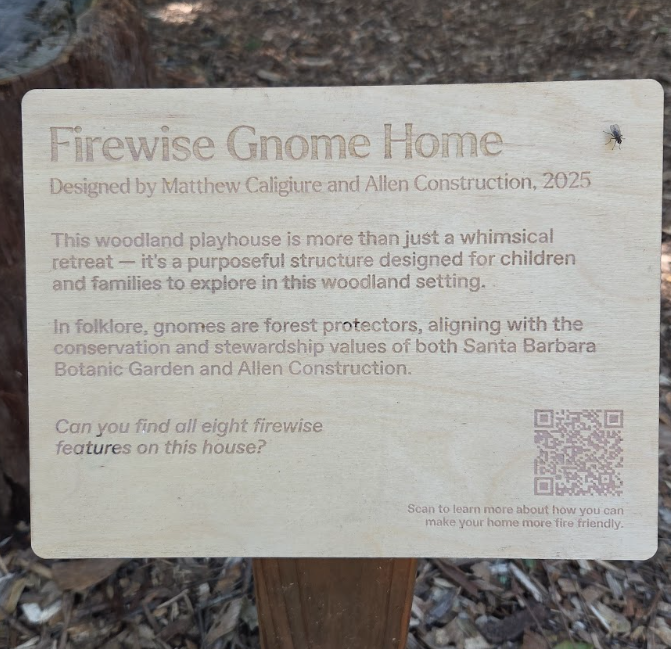
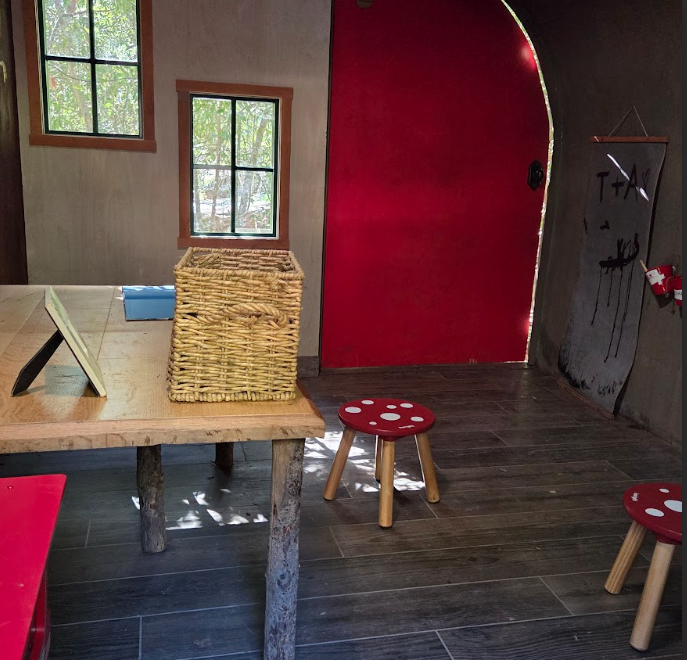
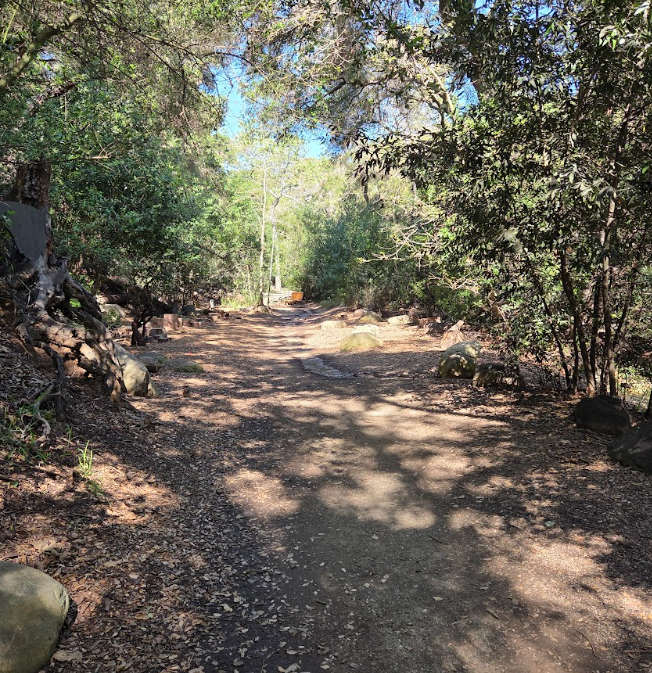
The redwood path is soil with some DG. Good for a person who can do normal path walking. The continual sound of the creek is so peaceful
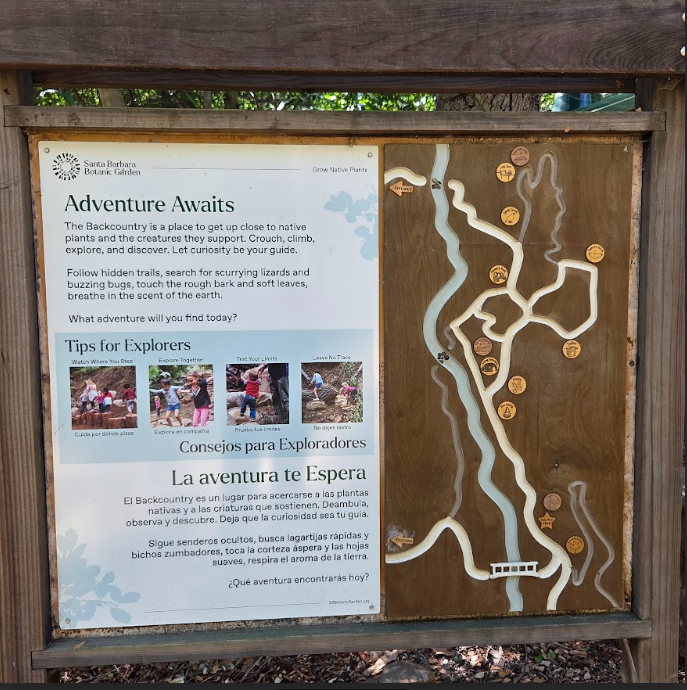
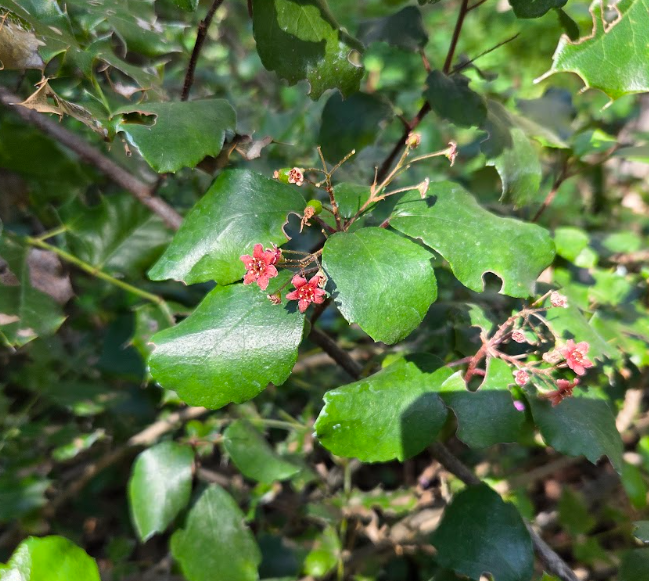
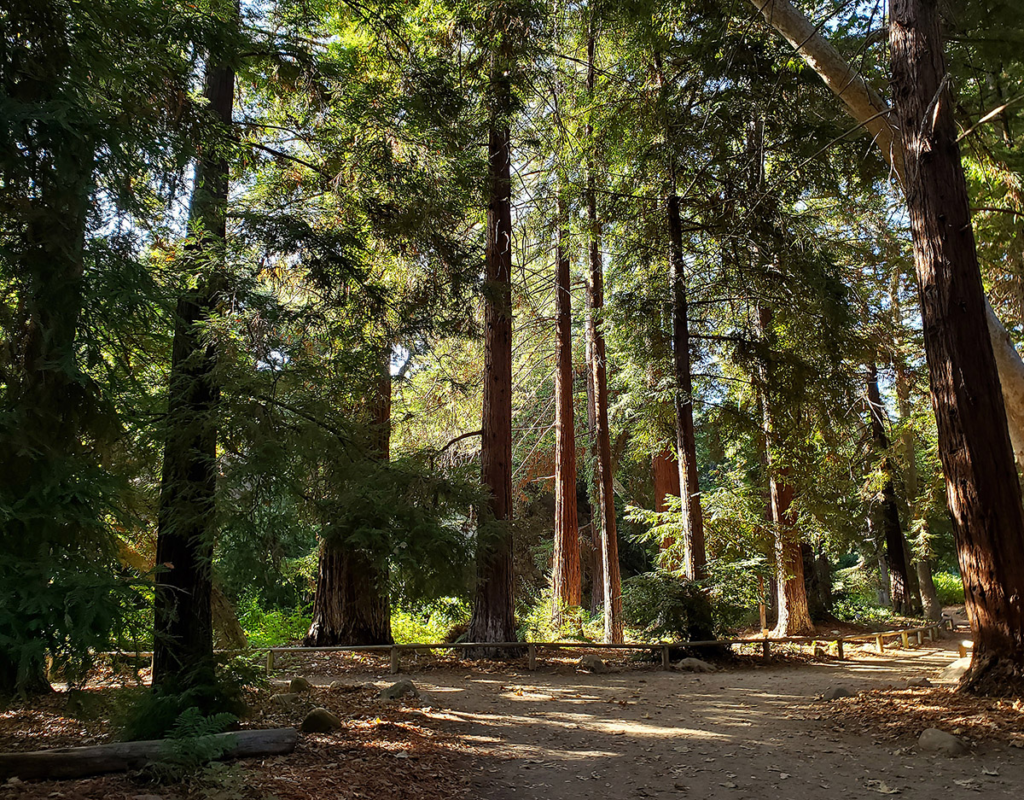
This last redwoods photo from SB Botanical garden web site and taken by Michelle Cyr
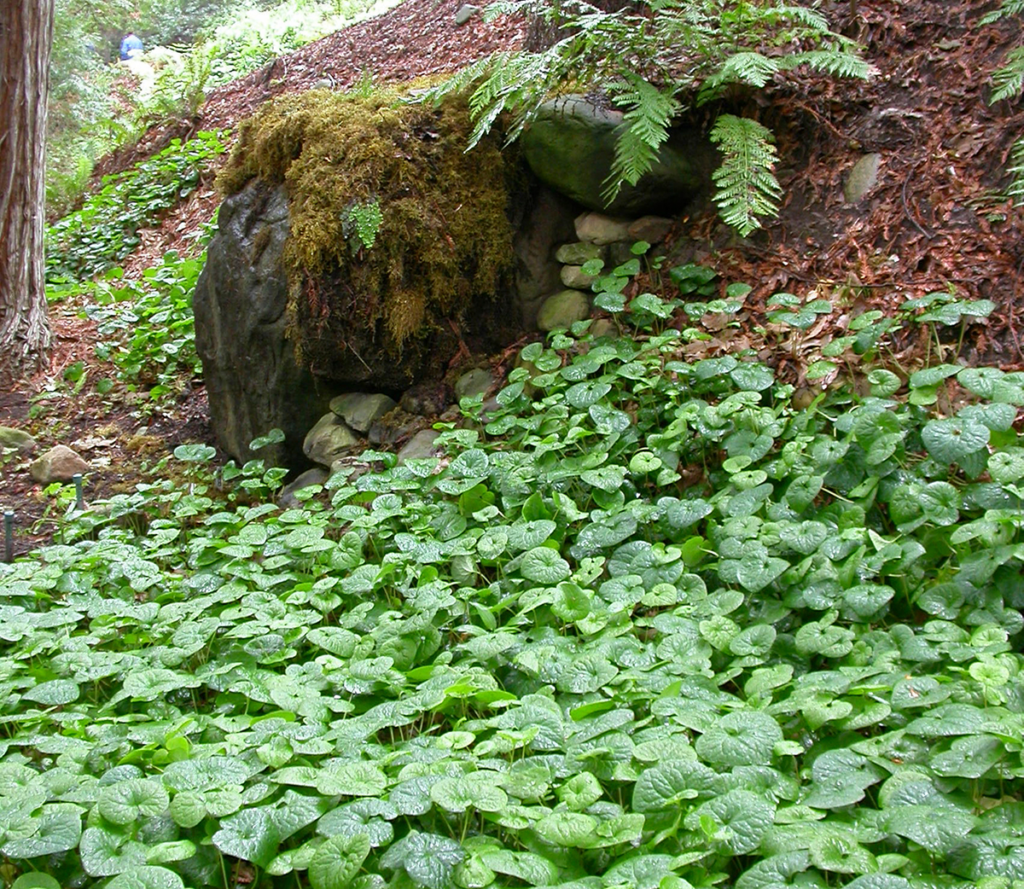
Please visit the gardens and stay tuned for further parts of the Santa Barbara Botanical gardens.